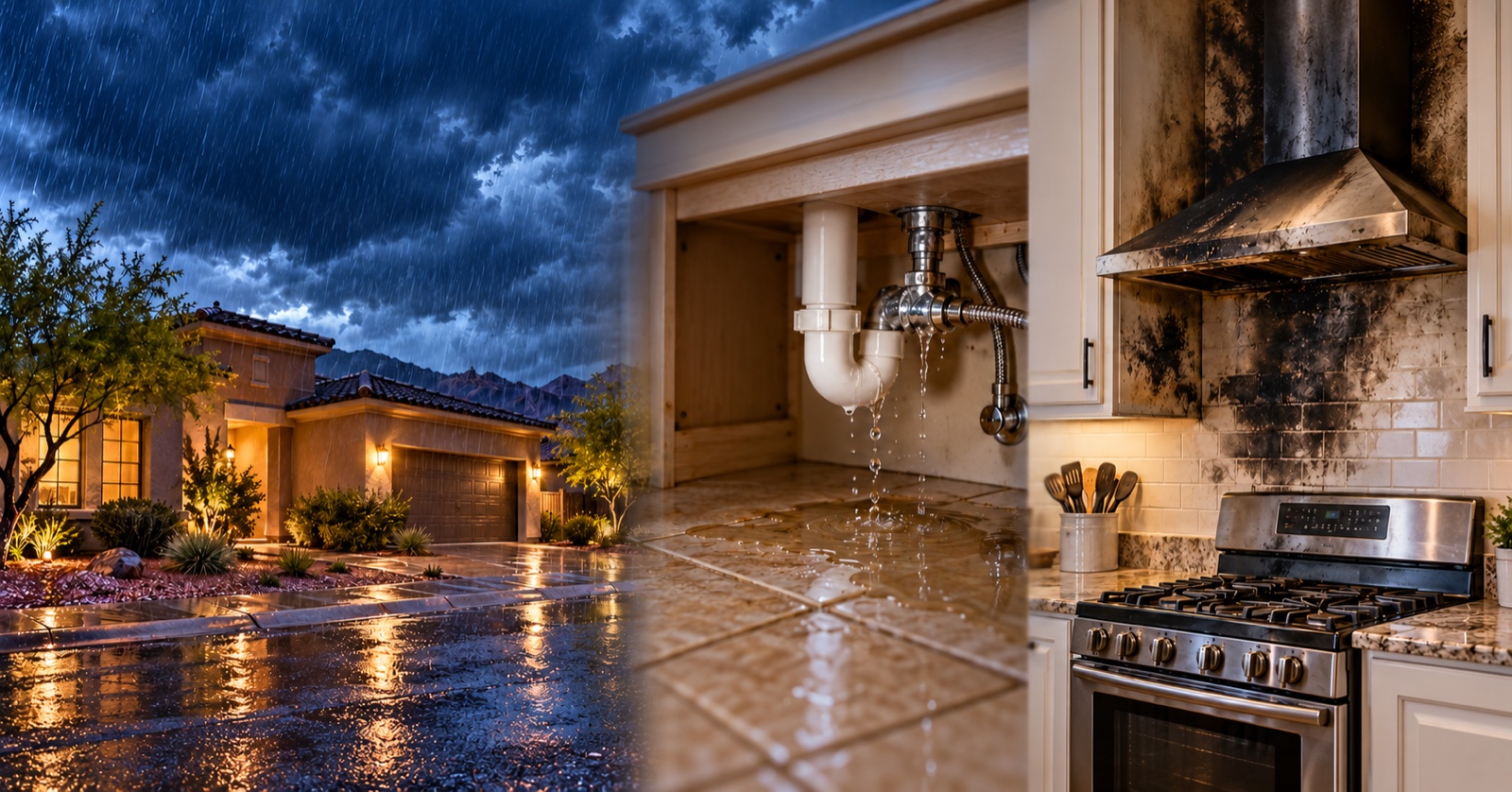
The water is gone. The drying equipment has been removed. But your drywall is still open, the flooring needs replacing, and your home doesn’t feel like home yet.
Now what?
For many property owners, the most confusing part of a loss is understanding everything that happens after the immediate emergency. Stopping the damage is essential, but it is only one part of getting your property back.
National First Response helps Arizona homeowners and businesses through emergency mitigation, damage assessment, cleanup, repairs, and reconstruction. The goal is to keep the work connected from the first inspection through the final walkthrough.
First, Understand What Happened
A ceiling stain, damaged floor, or smoke-filled room tells you something is wrong. It doesn’t necessarily tell you the full extent of the problem.
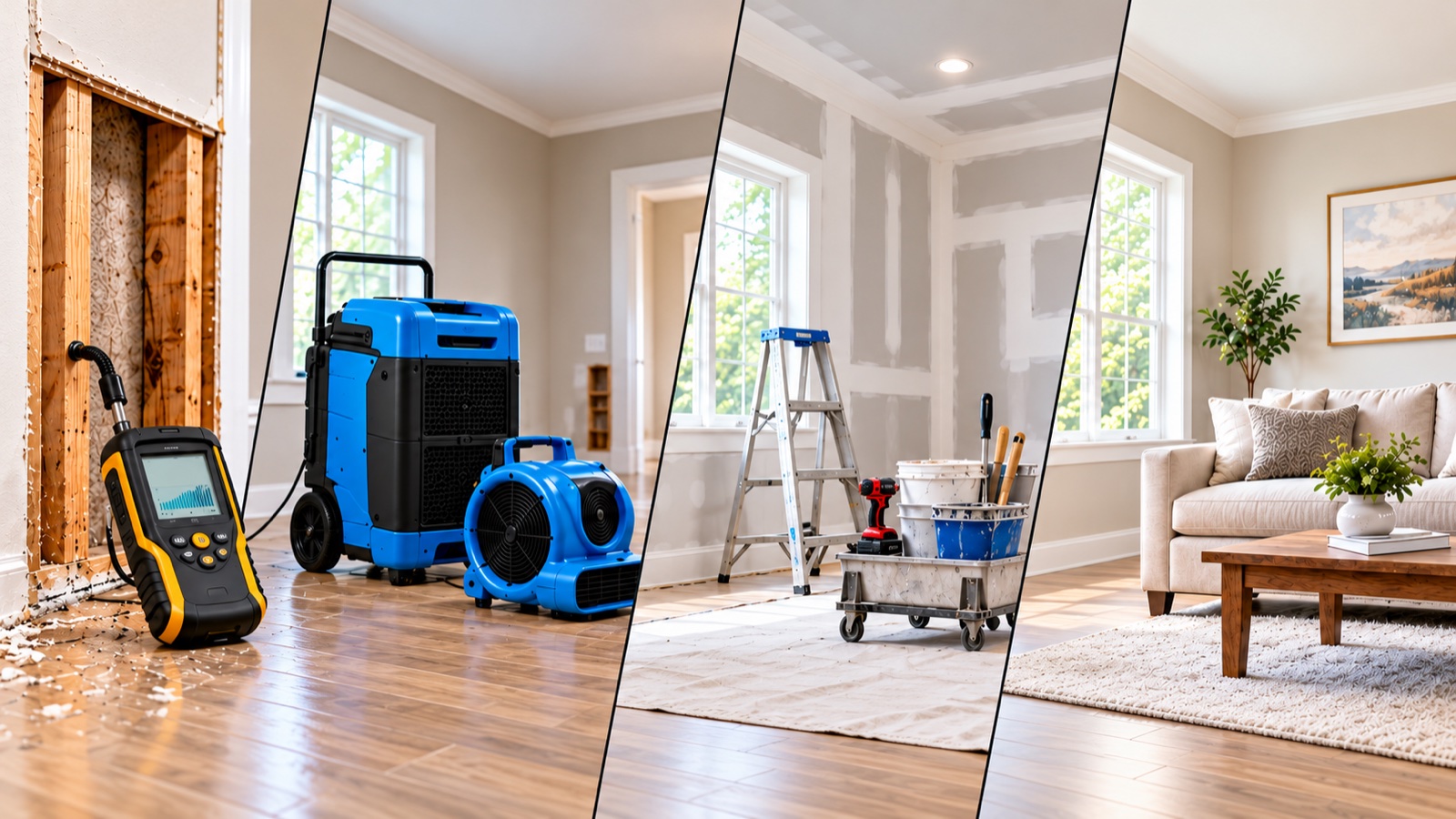
The restoration process begins with understanding the affected areas, the source of the damage, and what requires immediate attention. Depending on the loss, that may involve moisture measurements, photographs, inspection of accessible materials, and further investigation.
This assessment helps establish the next steps. Some properties need urgent stabilization. Others need a repair plan for damage that is no longer actively spreading.
Not every project follows the same sequence, and an urgent need to protect the property may require action before the complete repair scope is developed.
Stabilize the Property and Limit Further Damage
Before focusing on new flooring or paint colors, the immediate problem needs attention.
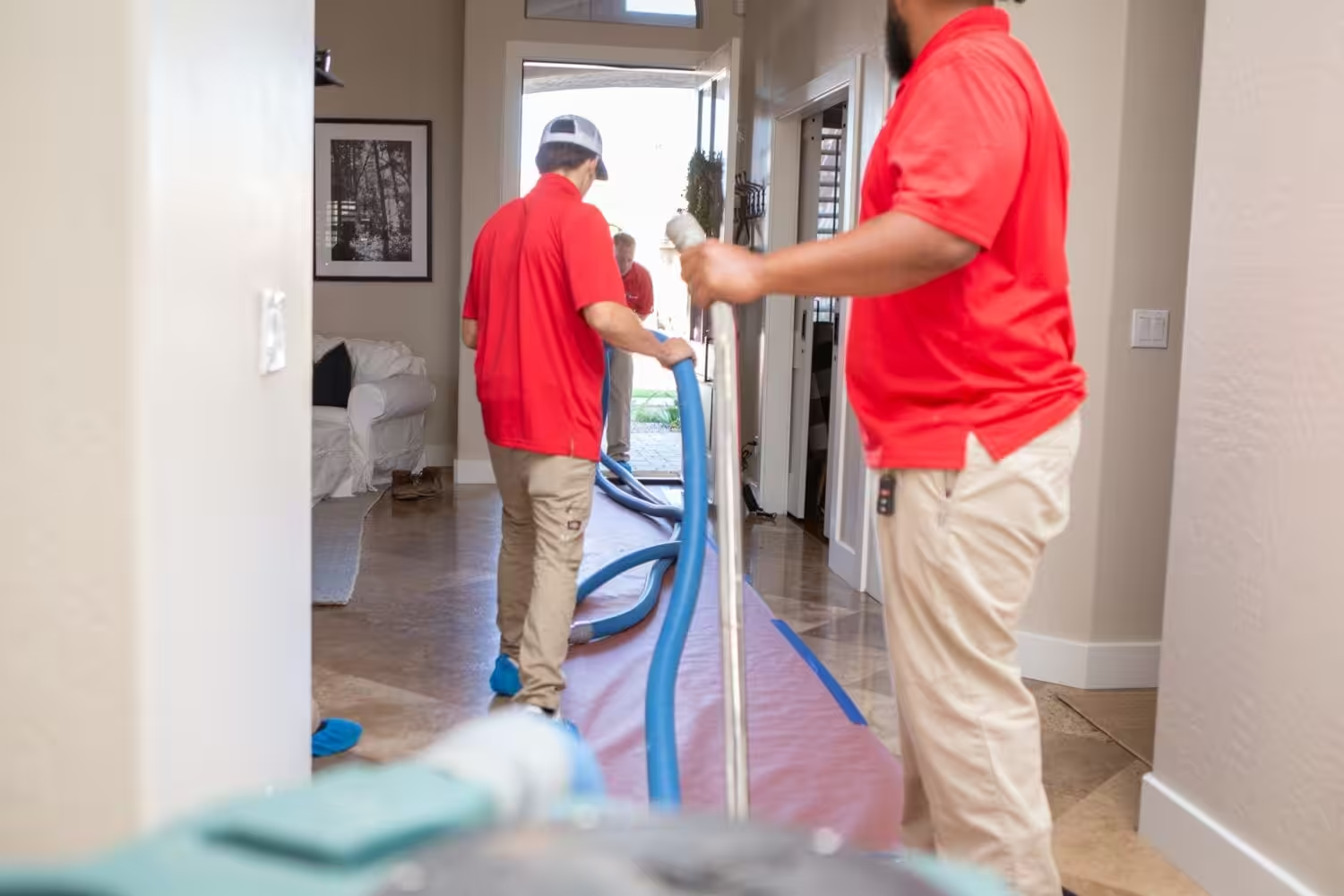
For a water loss, mitigation may involve extracting water and setting up drying equipment. After a fire, it may involve securing openings and addressing affected materials. Storm damage may require temporary roof protection or board-up services.
Emergency mitigation is the work performed to help limit further damage and prepare the property for recovery. It is different from rebuilding, although both may be part of the same project.
Understanding that distinction helps explain why a property can be through the emergency stage while still needing substantial work.
Document the Damage and Build the Repair Plan
Once the initial conditions are understood, the project needs a defined scope.
What can be cleaned or restored? What needs removal? Which materials need replacing? What work must happen before another trade can begin?
National First Response documents damage, prepares estimates, and coordinates with insurance representatives when a claim is involved. Coverage and payment decisions remain with the insurer under the applicable policy.
The purpose of this stage is to give the property owner a clearer understanding of the proposed work, the decisions ahead, and the items that still need confirmation.
Documentation continues as the project progresses, particularly if additional damage becomes visible.
Complete the Necessary Cleanup and Drying
A surface looking better does not necessarily mean it is ready to close up.
Depending on the loss, the property may need structural drying, cleaning, odor treatment, removal of affected materials, or specialized remediation before repairs proceed.
For water damage, moisture monitoring helps guide drying decisions. For other losses, the work depends on the materials affected and the conditions found.
This is the preparation that supports the finished result. Replacing drywall or flooring too early can leave an underlying problem unresolved.
Put the Property Back Together
This is the stage many homeowners picture when they hear “restoration”: rebuilding the areas that were damaged.
The approved scope may include drywall, insulation, flooring, cabinetry, trim, painting, and other necessary repairs. Material selections, availability, inspections, and trade scheduling can all affect the sequence.
NFR’s construction team carries the project into repairs and reconstruction, helping connect the earlier findings with the work needed to finish the space.
For the owner, that continuity means having a team that understands how the damage started, what was discovered, and what the repair plan is intended to accomplish.
Can Restoration Include Improvements?
Sometimes a loss prompts a different conversation.
If flooring already needs replacement, could you choose another style? If cabinetry is damaged, could you make a change while repairs are underway?
Discuss those ideas with your project manager early. Optional improvements may be possible, but they need their own agreement about feasibility, cost, and scheduling.
An insurance restoration scope and an owner-requested upgrade are different things. Do not assume an improvement is covered because related damage repairs are being considered.
Finish With a Walkthrough
A project should finish with an opportunity to review the completed work.
The final walkthrough allows the property owner and project team to compare the result with the agreed scope, discuss questions, and identify any remaining items requiring attention.
National First Response includes final review in its restoration process. The objective is to bring the project to a clear conclusion, with the owner understanding what was completed.
The experience should extend beyond removing equipment or finishing the last coat of paint. It should help you move back toward using and enjoying your property.
One Connected Process, From Damage to Repair
Property damage creates enough uncertainty. Understanding the path forward can make the decisions easier to manage.
Whether you are dealing with water damage in Mesa, fire damage in Phoenix, or storm-related repairs elsewhere in the Valley, National First Response can help assess your situation and explain the work ahead.
Contact the team to discuss your property and learn how its restoration and reconstruction services fit your needs.
Restoring Property. Restoring Lives.
Frequently Asked Questions
What is the difference between mitigation and reconstruction?
Mitigation addresses immediate conditions and helps limit further damage through work such as extraction, drying, cleanup, or temporary protection. Reconstruction repairs or replaces damaged building components. A property may need one or both, depending on the loss.
Does National First Response handle repairs after cleanup?
Yes. NFR provides restoration and reconstruction services, allowing projects to continue into necessary building repairs. The specific work depends on the damage, agreed scope, and project requirements.
Can I make upgrades during an insurance restoration project?
Discuss proposed improvements with your project manager before materials are ordered or work begins. Upgrades may involve separate costs, approvals, and scheduling. Insurance coverage depends on the policy and claim determination.
How long does the complete restoration process take?
Timing depends on the type and extent of damage, drying or remediation needs, material availability, permits, inspections, and any applicable claim review. Your project team can discuss the expected sequence and update you as conditions change.
Dealing with damage right now?
Get certified help onsite within the hour.
Call National First Response 24/7: we stop the damage, document everything, and bill your insurance directly.