
480-566-9440
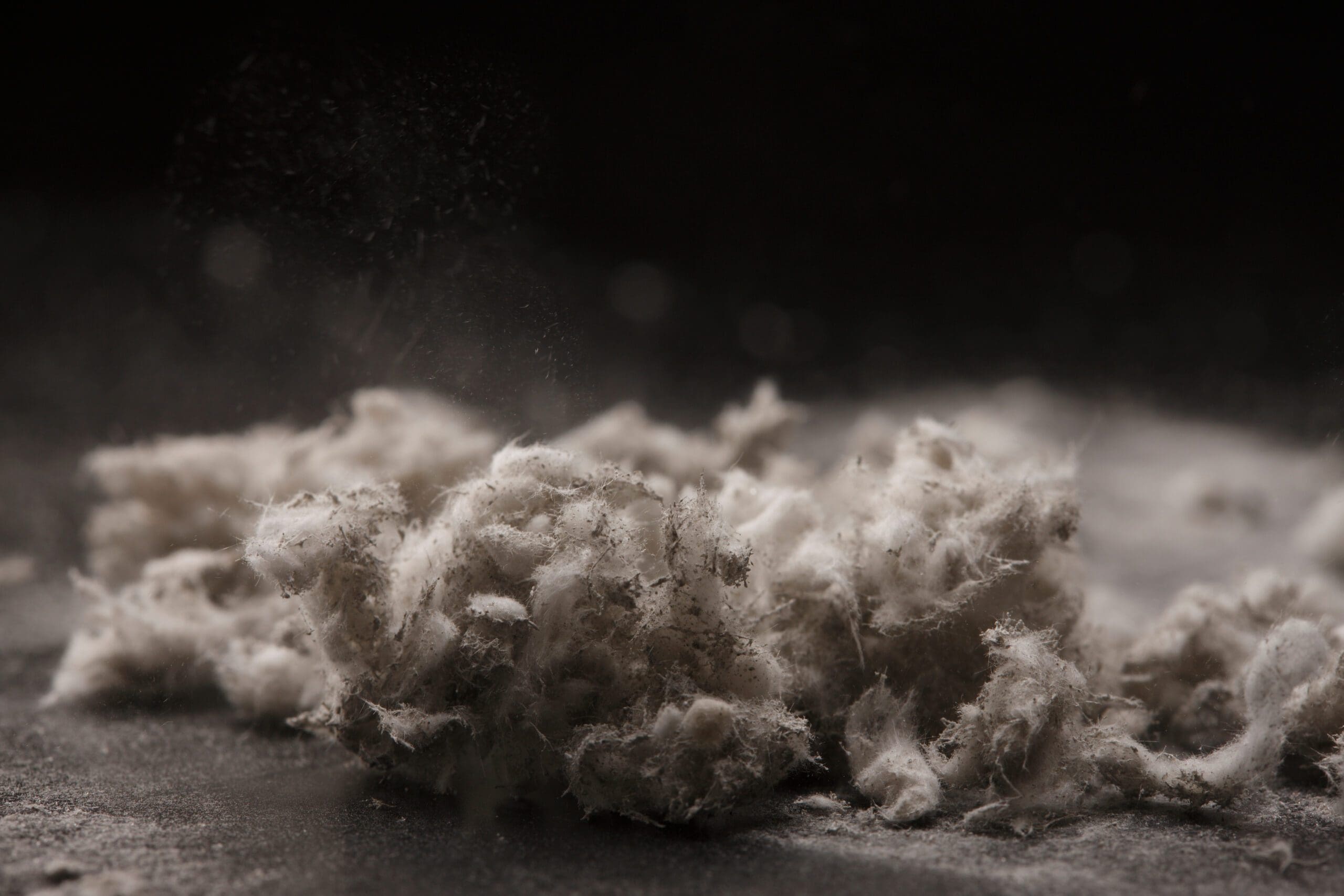
Asbestos Testing: Empower Your Home & Safety
Asbestos Testing: When Your Property Needs It and What to Do Next
Asbestos testing might sound like something from decades ago, but it remains a real concern for many homes and commercial buildings today. Thousands of structures built before the 1980s still contain materials that may include asbestos, and those materials can become hazardous when they are disturbed.
If you are planning a renovation, repairing damage, or dealing with water or fire damage, asbestos testing is often a critical first step before work begins.
Professional asbestos testing helps identify potential hazards so restoration or construction can move forward safely.
What Is Asbestos and Why Is It Dangerous?
Asbestos is a naturally occurring mineral fiber that was widely used in construction materials because of its strength, fire resistance, and insulation properties.
For decades it was included in products such as:
-
Floor tiles and adhesives
-
Ceiling tiles
-
Pipe insulation
-
Roofing materials
-
Wallboard and drywall compounds
-
HVAC duct insulation
The problem occurs when asbestos-containing materials become damaged or disturbed. When that happens, microscopic fibers can be released into the air and inhaled.
Exposure to airborne asbestos fibers has been linked to serious respiratory diseases including:
-
Mesothelioma
-
Lung cancer
-
Asbestosis
Because of these health risks, asbestos is now classified as a hazardous air pollutant.
Older Buildings Often Contain Asbestos
Many residential and commercial buildings constructed before the 1980s contain asbestos materials somewhere in the structure.
Common locations include:
-
Vinyl floor tiles
-
Popcorn ceilings
-
Pipe insulation
-
Roofing materials
-
Cement siding
-
Insulation around boilers or ducts
If these materials remain intact and undisturbed, they may not pose an immediate health risk. However, when materials are damaged during remodeling, demolition, or disaster restoration, fibers can become airborne.
That is why asbestos testing is recommended before major repairs or renovations begin.
Situations Where Asbestos Testing Is Often Needed
Asbestos testing is commonly required before work begins in situations such as:
Renovation or Remodeling
Cutting into walls, removing flooring, or replacing ceilings can disturb asbestos-containing materials.
Water Damage Restoration
Water damage can weaken flooring, drywall, and insulation. When those materials need to be removed, testing may be required first.
Fire Damage Cleanup
Fire and smoke damage often require demolition and rebuilding, which may expose hidden asbestos materials.
Property Purchases or Commercial Inspections
Many commercial property transactions require environmental testing to identify asbestos hazards.
Testing helps prevent accidental exposure and ensures work is done safely.
How Professional Asbestos Testing Works
Asbestos testing should always be performed by trained and licensed professionals.
The process typically includes:
-
Inspection of suspect materials
-
Careful collection of material samples
-
Laboratory analysis to confirm asbestos presence
Only laboratory testing can confirm whether asbestos is present. Materials like drywall, tile, and insulation can look identical whether they contain asbestos or not.
Attempting to test materials yourself can actually increase the risk of releasing fibers into the air.
What Happens If Asbestos Is Found?
If asbestos-containing materials are confirmed, professionals determine the safest course of action. This usually involves one of two solutions.
Asbestos Removal
Removal involves safely extracting the asbestos material from the property and disposing of it at an approved facility.
This process requires:
-
Containment barriers
-
Protective equipment
-
Specialized removal techniques
-
Controlled disposal procedures
Because of the health risks involved, asbestos removal must be performed by licensed abatement professionals.
Encapsulation
In some situations, asbestos materials can remain in place if they are sealed and protected.
Encapsulation involves applying a specialized coating that locks fibers into place and prevents them from becoming airborne. This option may be appropriate when the material is in good condition and unlikely to be disturbed.
A professional inspection helps determine which approach is safest.
Why Professional Testing Matters
Asbestos is not always visible, and it cannot be identified reliably without laboratory testing.
Working with experienced professionals ensures:
-
Accurate identification of hazardous materials
-
Safe handling of potentially dangerous fibers
-
Compliance with environmental and safety regulations
-
Protection for occupants, workers, and nearby properties
Whether you are dealing with renovation work or property damage, testing provides clarity before any demolition or restoration begins.
Asbestos Testing Services from National First Response
At National First Response, protecting the safety of your property and the people inside it is always the top priority.
Our team provides professional asbestos testing services for both residential and commercial properties. If asbestos is identified, we can guide you through the next steps and coordinate safe removal or encapsulation when necessary.
As a restoration company, we frequently encounter asbestos during:
-
Water damage restoration
-
Fire damage cleanup
-
Structural repairs
-
Demolition and reconstruction
Testing allows the restoration process to move forward safely and responsibly.
Schedule an Asbestos Inspection
If your home or commercial building was constructed before the 1980s, asbestos may still be present in certain materials.
Before starting renovations or repairs, it is important to confirm whether asbestos is present.
Contact National First Response today to schedule professional asbestos testing and get expert guidance on the safest path forward.
FAQs About Asbestos Testing
Editorial Writer - Victoria Yancer
Verum Digital Marketing
Reviewed by - Kevin Cavanaugh
National First Response