IICRC Certification
Our certified response team assesses the loss honestly, helps you understand the right path forward, stops further damage, and coordinates restoration and insurance from the start.
 Current avg. response70 minutes*
*Response times vary by location, weather, access, and current demand.
Certified training and trusted standards behind every property response
IICRC Certification
The Cleantrust Certification
Certified Residential Mold Inspector
Certified Mold Remediator
Certified Commercial Mold Inspector
Arizona Registered Contractor
Certified Asbestos Removal Contractor
PMII Certified Contractor
Xactware / Xactimate Certified Contractor
EPA Lead-Safe Certified Firm
Our promise to you
When our team walks into your property, we assess the situation with your best interest in mind. We’ll make the right call to insurance and keep you safe in the process.
Not every loss belongs on your policy. We assess the damage and tell you which ones are worth filing before anything reaches your carrier.
When conditions allow, we dry your property in place instead of demolishing it, saving you time, cost, and disruption.
We hand you a copy of the exact scope of work we submit to your insurance company, so you always know what was reported.
Clear Communication
Uncertainty starts the moment a property loss does. We keep the responsible team, current progress, upcoming work, and every project record connected, so you always know where your restoration stands.
Know who owns your project
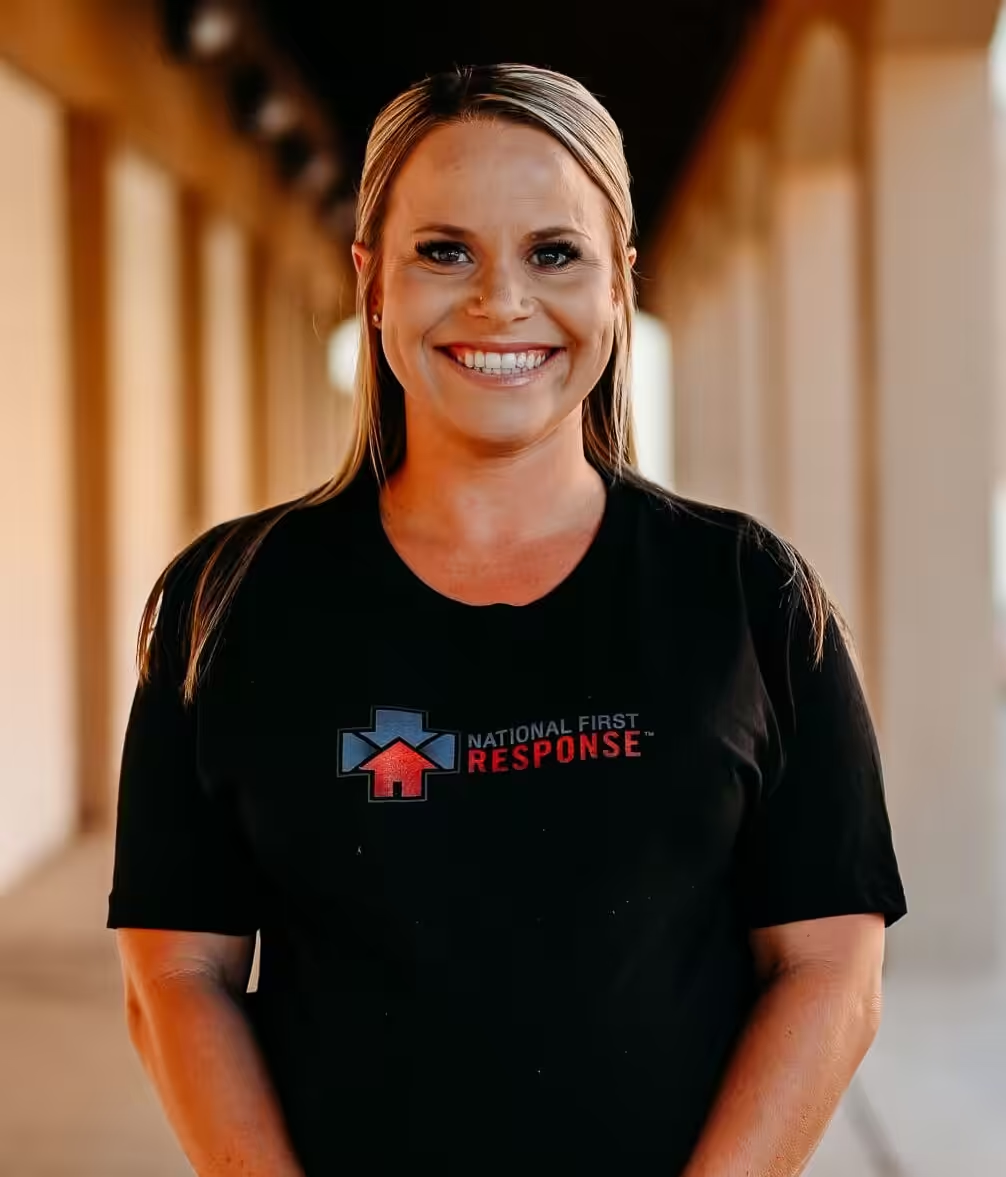
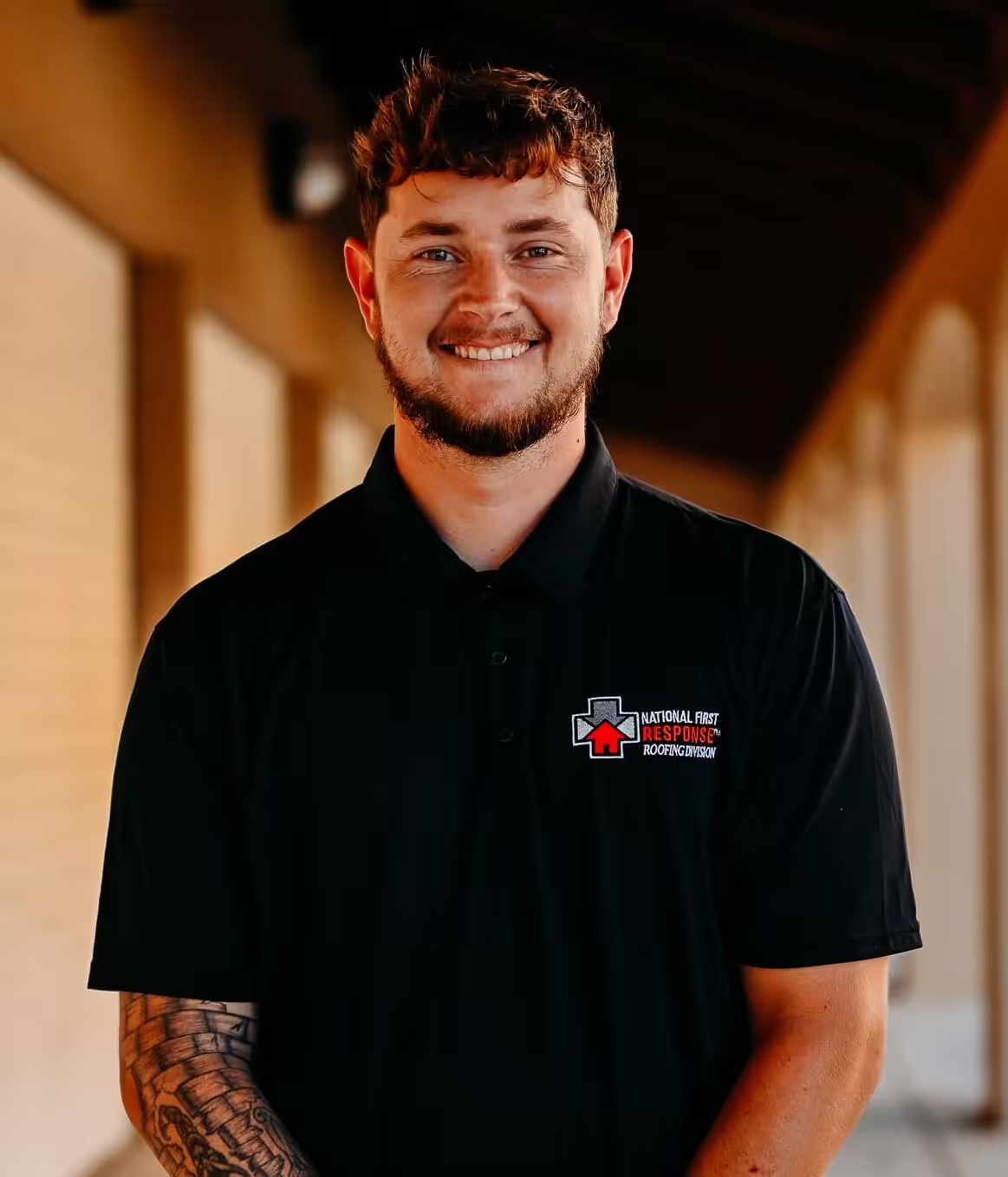
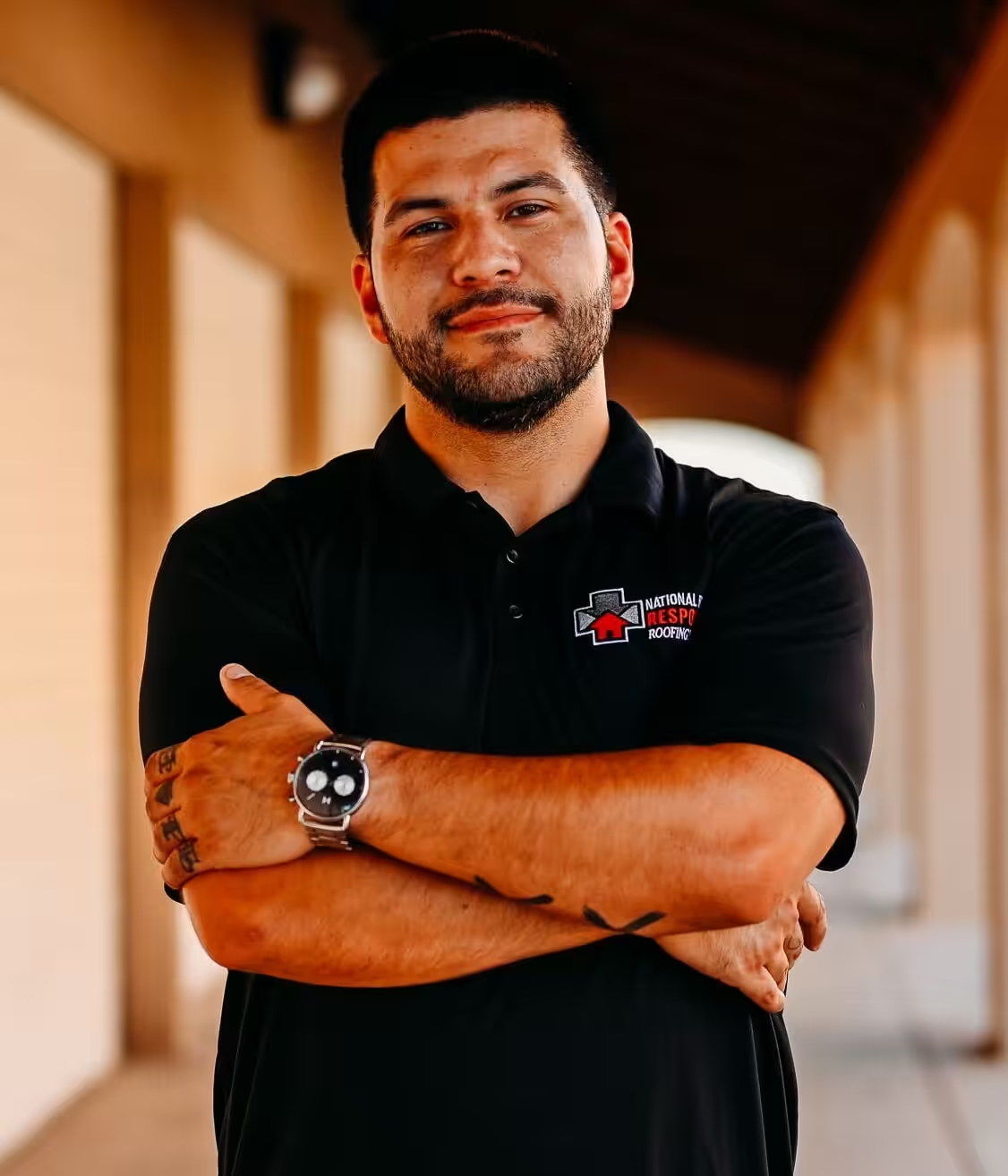
You know who is assigned to your property, what each person is responsible for, and who to call with a question.
Example project updates
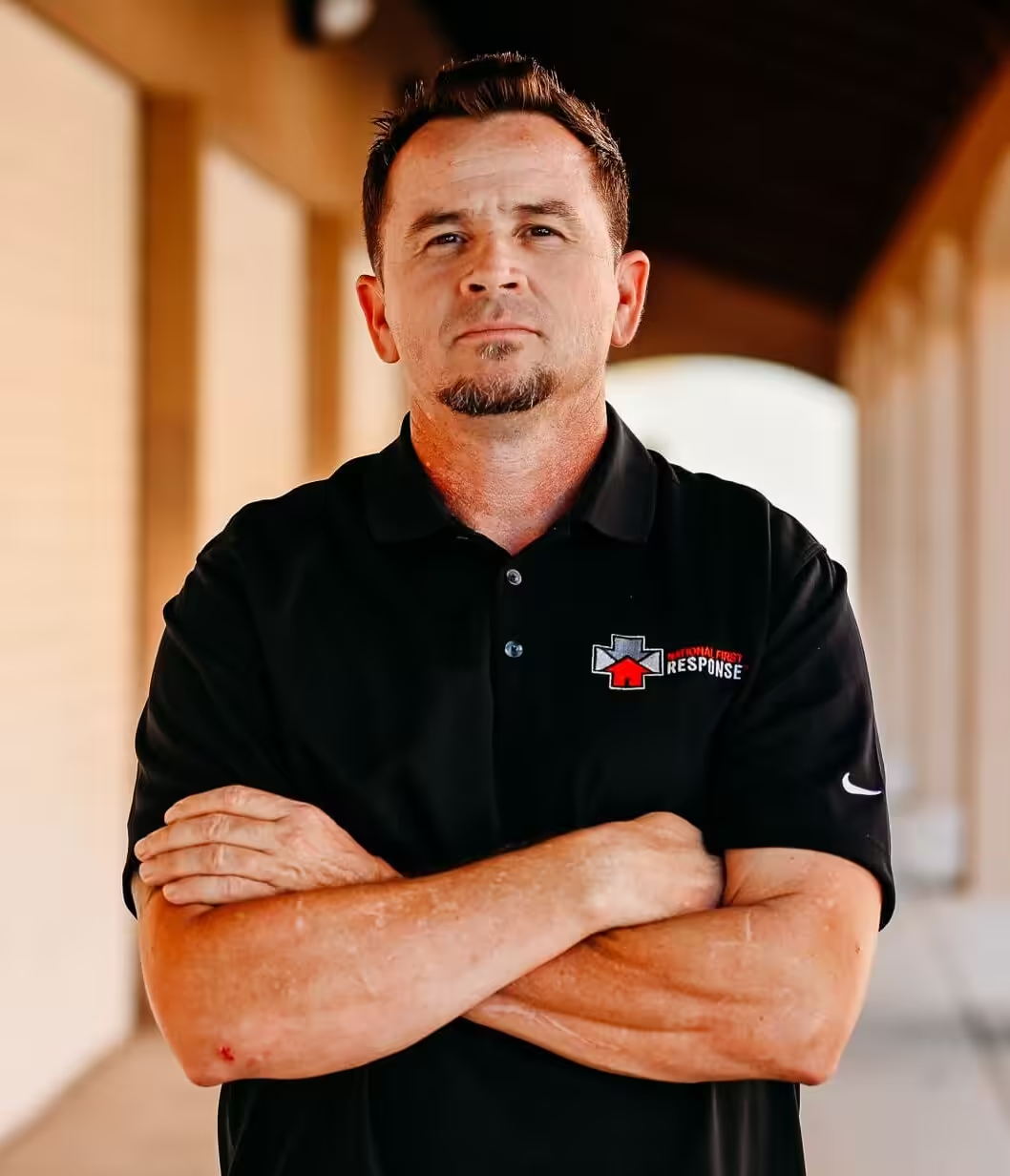
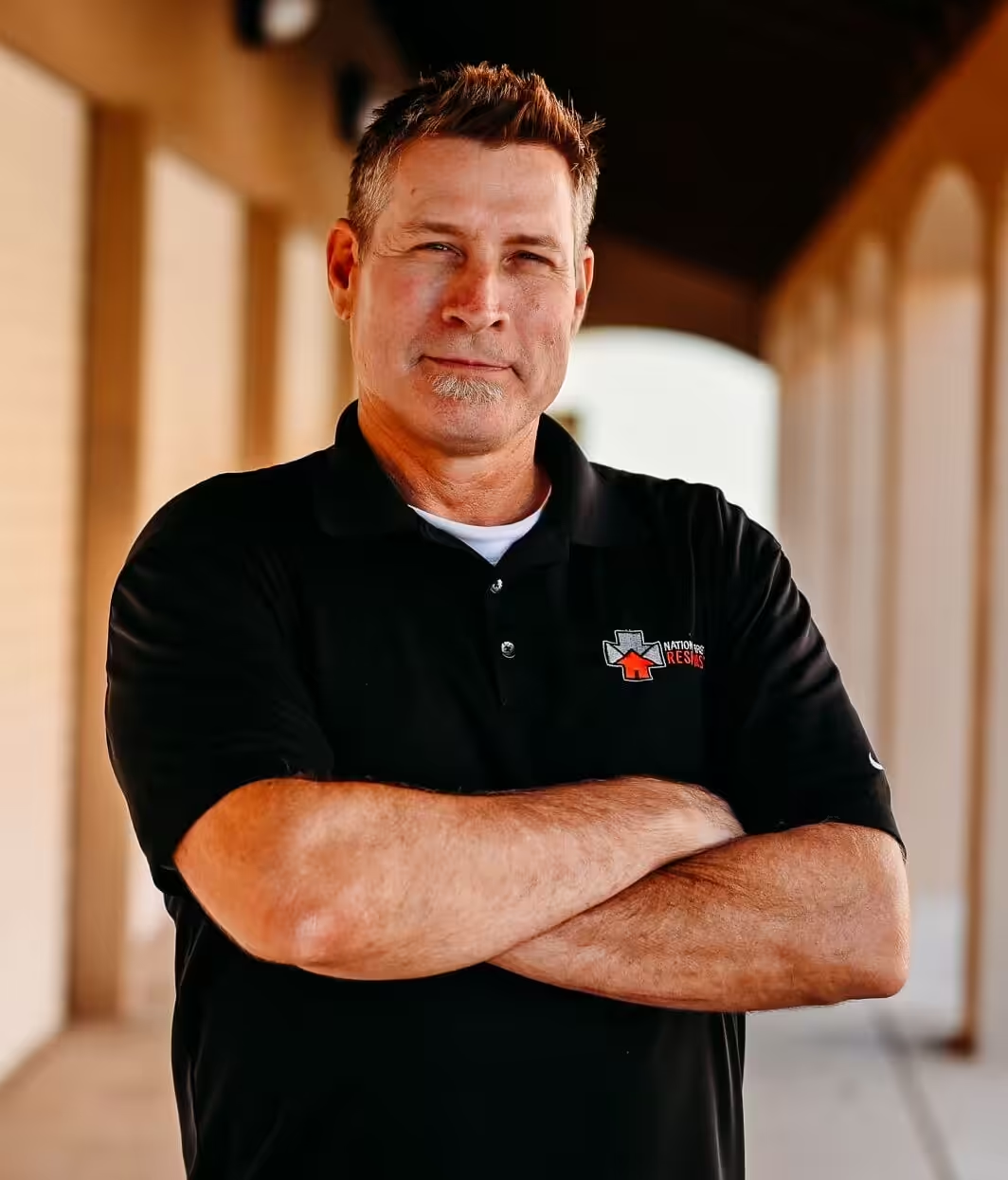 Chris OwensVice-president
Moisture readings are down in the kitchen and hallway. Drying equipment stays in place, and we’re on track to finish drying Thursday.
The current phase, from assessment through mitigation, repairs, and completion, along with the latest update from the field.
Upcoming visits with arrival windows, and a clear answer on whether anything is needed from you.
Field work, documentation, and communication are logged as they happen, so nothing depends on memory.
Your scope of work, damage photos, moisture readings, and assessment, matching the files provided to your insurer.
One Place for Your Whole Restoration
From emergency response and drying to documentation, repairs, and rebuilding, we bring the right specialists together and manage the work from start to finish—so you can get back to normal without coordinating a string of vendors.
And more—look no further for your restoration.
Insurance support
We document the damage and build a detailed scope you can give your insurer. With your permission, we can speak with them about the work performed.
We photograph the loss, measure the affected areas, and build a detailed scope you can give your insurer. With your permission we can speak with them about the work we performed.
You always know where your claim and your property stand, who is responsible, and what comes next.
We explain terms like RCV and ACV in plain English so you can read your own policy with confidence. Coverage decisions are your insurer’s to make.
We show you the visible damage and the likely scope so you and your insurer can decide how to proceed.
Who We Serve
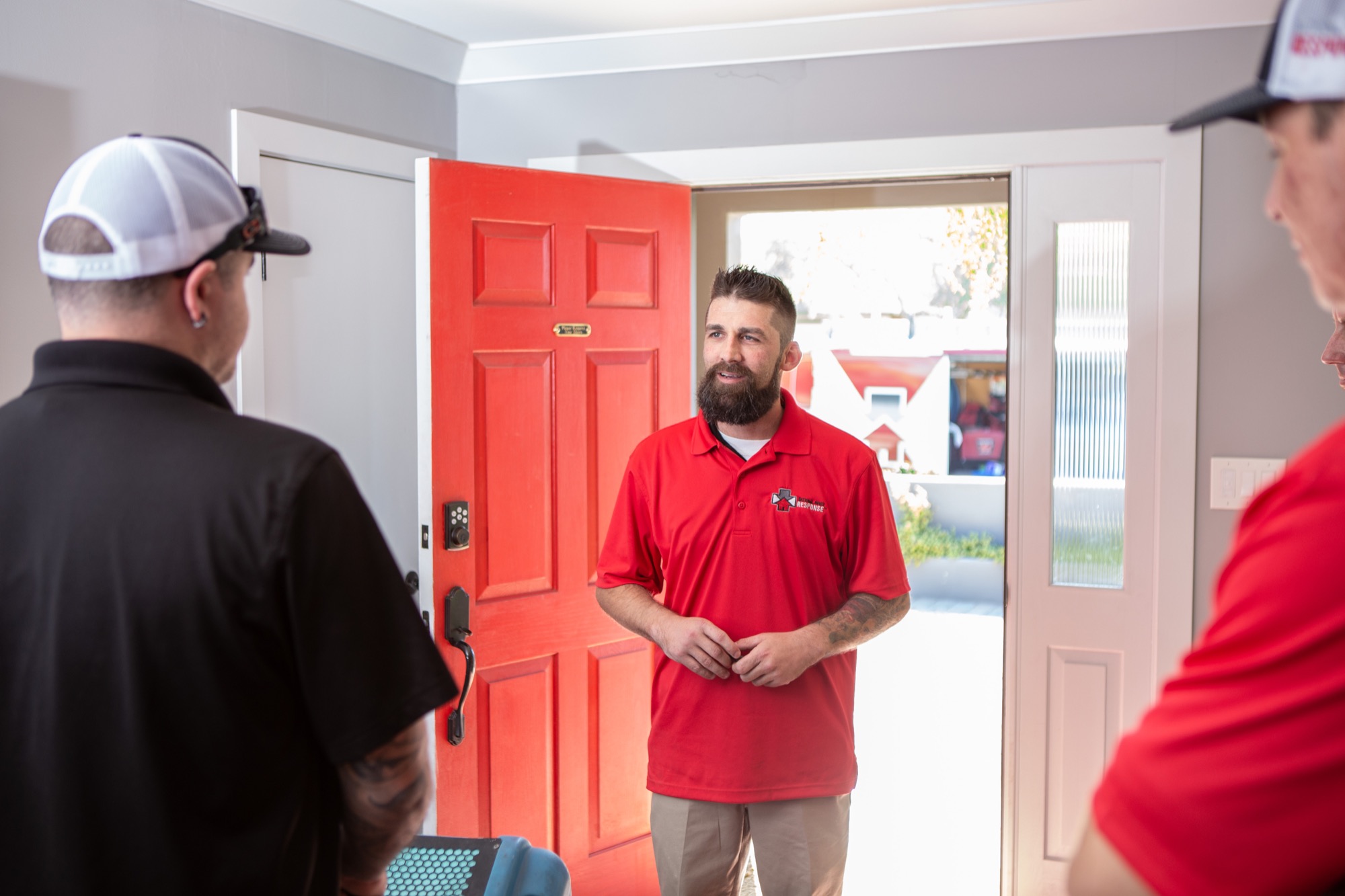
For homeowners
Fast stabilization, contained work areas, clear updates, and one team through repair, so you are not left coordinating your own recovery.
Get Residential Help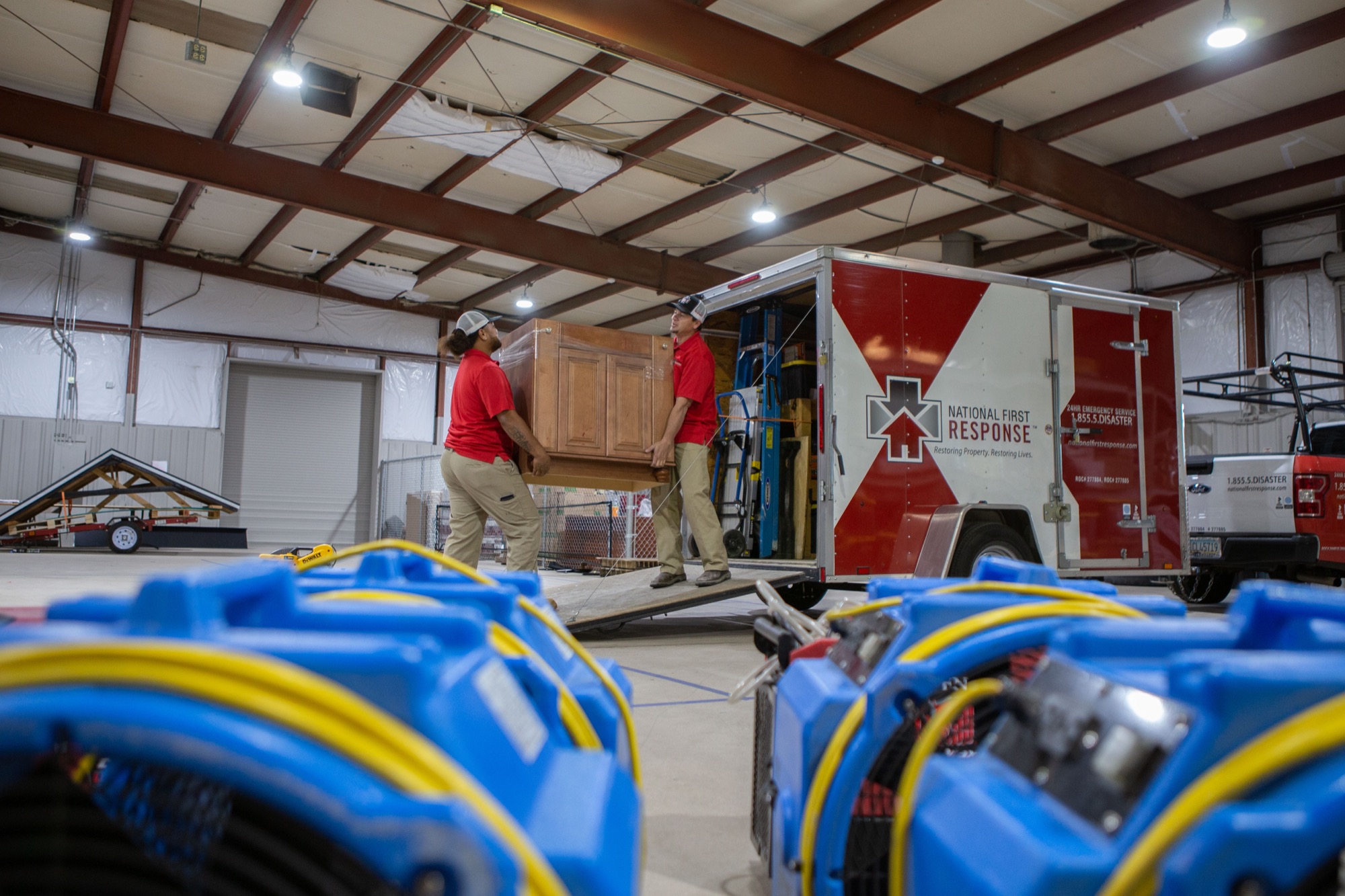
For businesses & property managers
Rapid assessment, phased mitigation, documentation, and scalable restoration for occupied and managed properties.
Get Commercial ResponseEmergency Services
When property damage feels overwhelming, one call brings trained technicians, the right equipment, and a clear plan to protect what can still be saved.
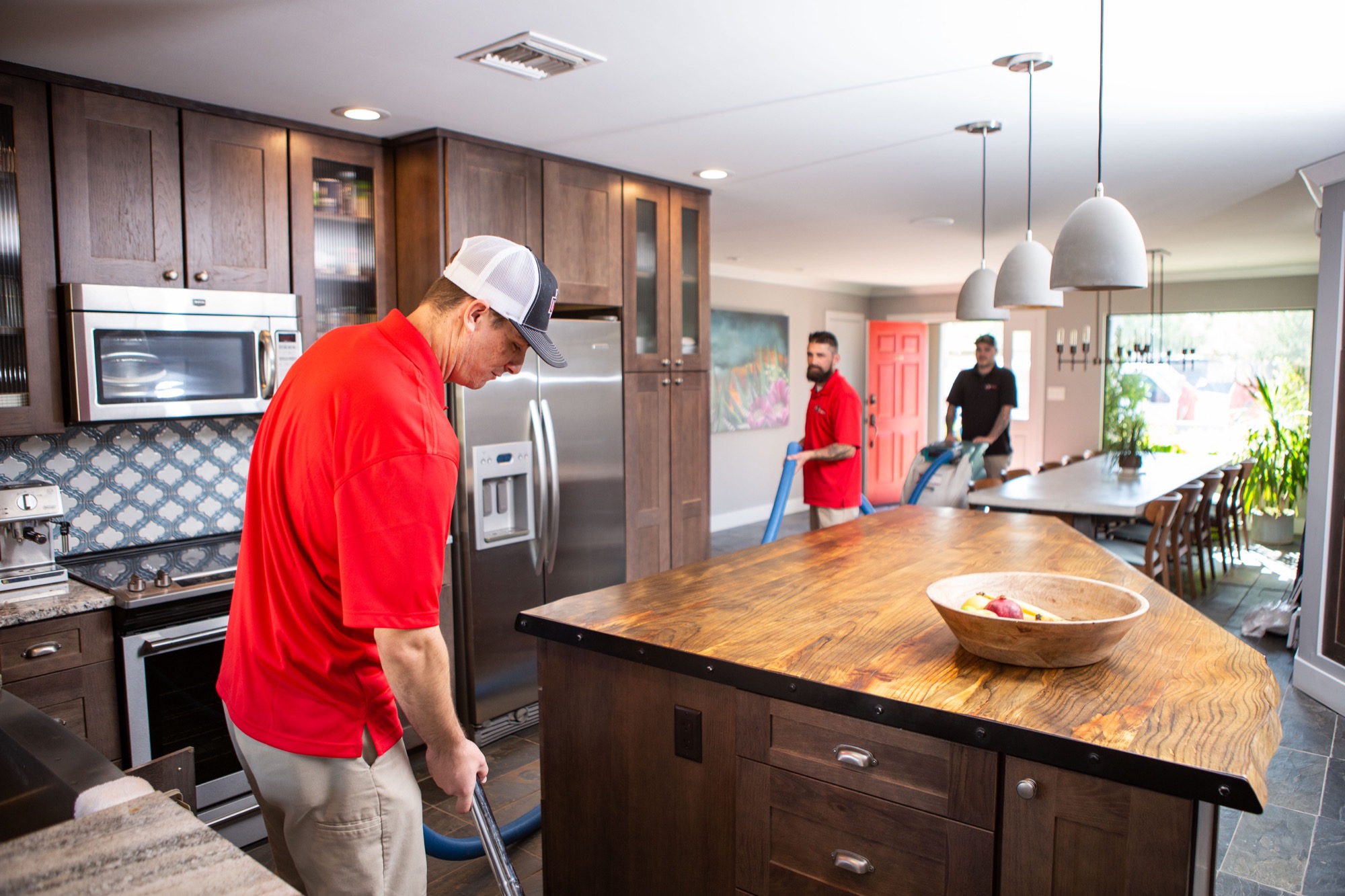
Fast relief from flood and water damage including extraction, cleaning, drying, and repairs.
Learn More →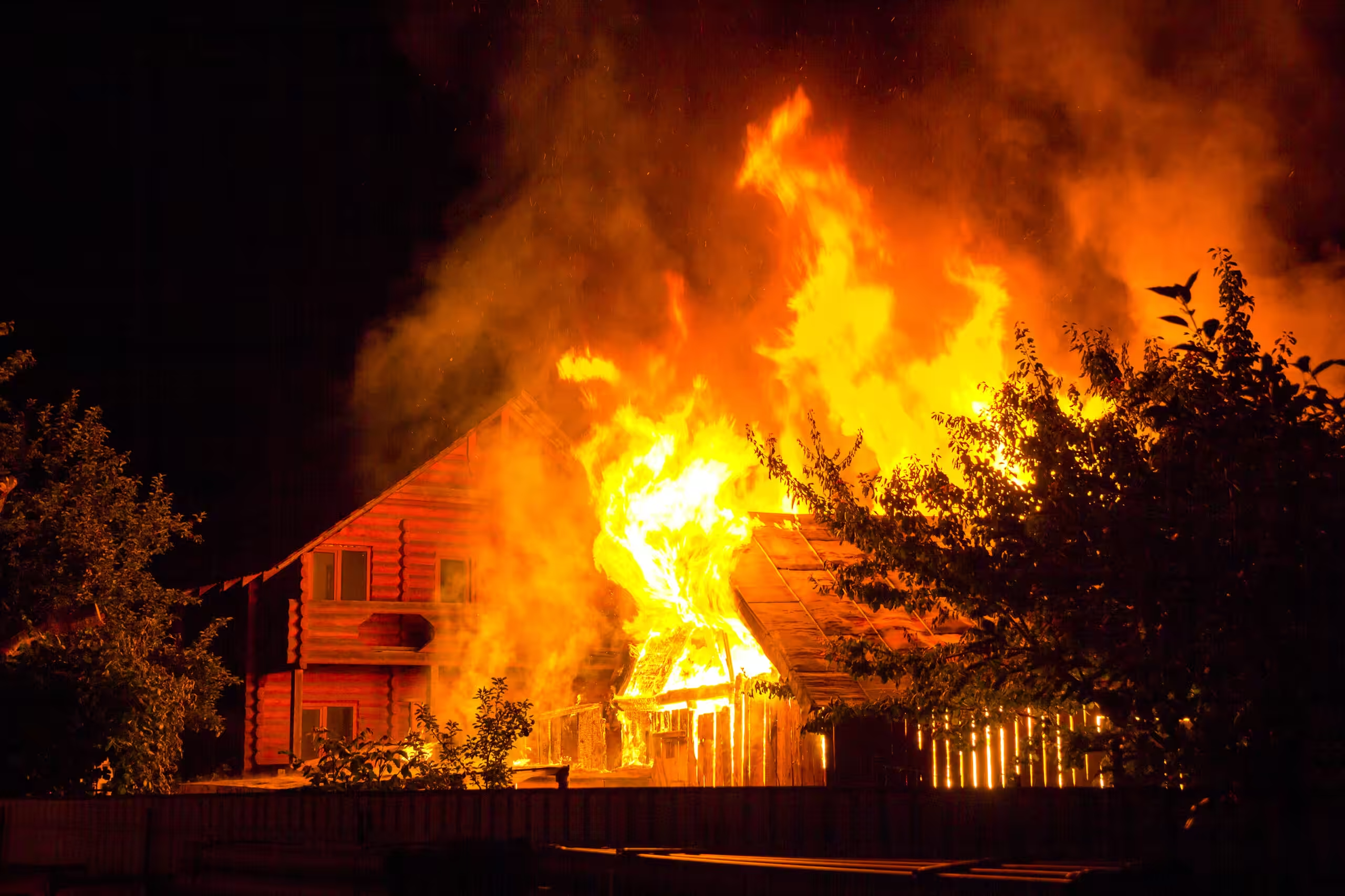
Restore your home to pre-fire conditions with expert reconstruction and debris removal.
Learn More →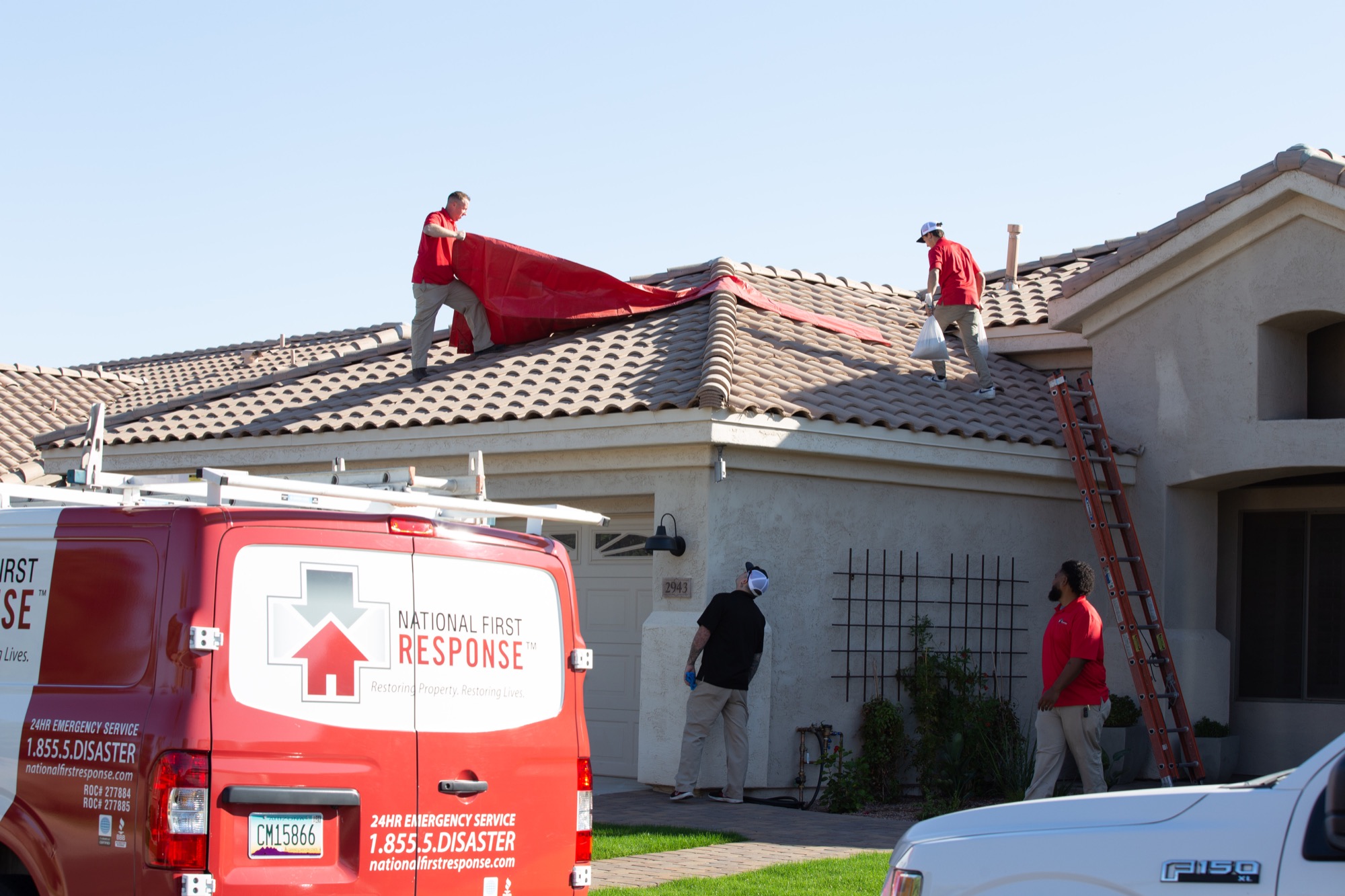
Assess damages, get help with your insurance claim, and make necessary repairs after high winds.
Learn More →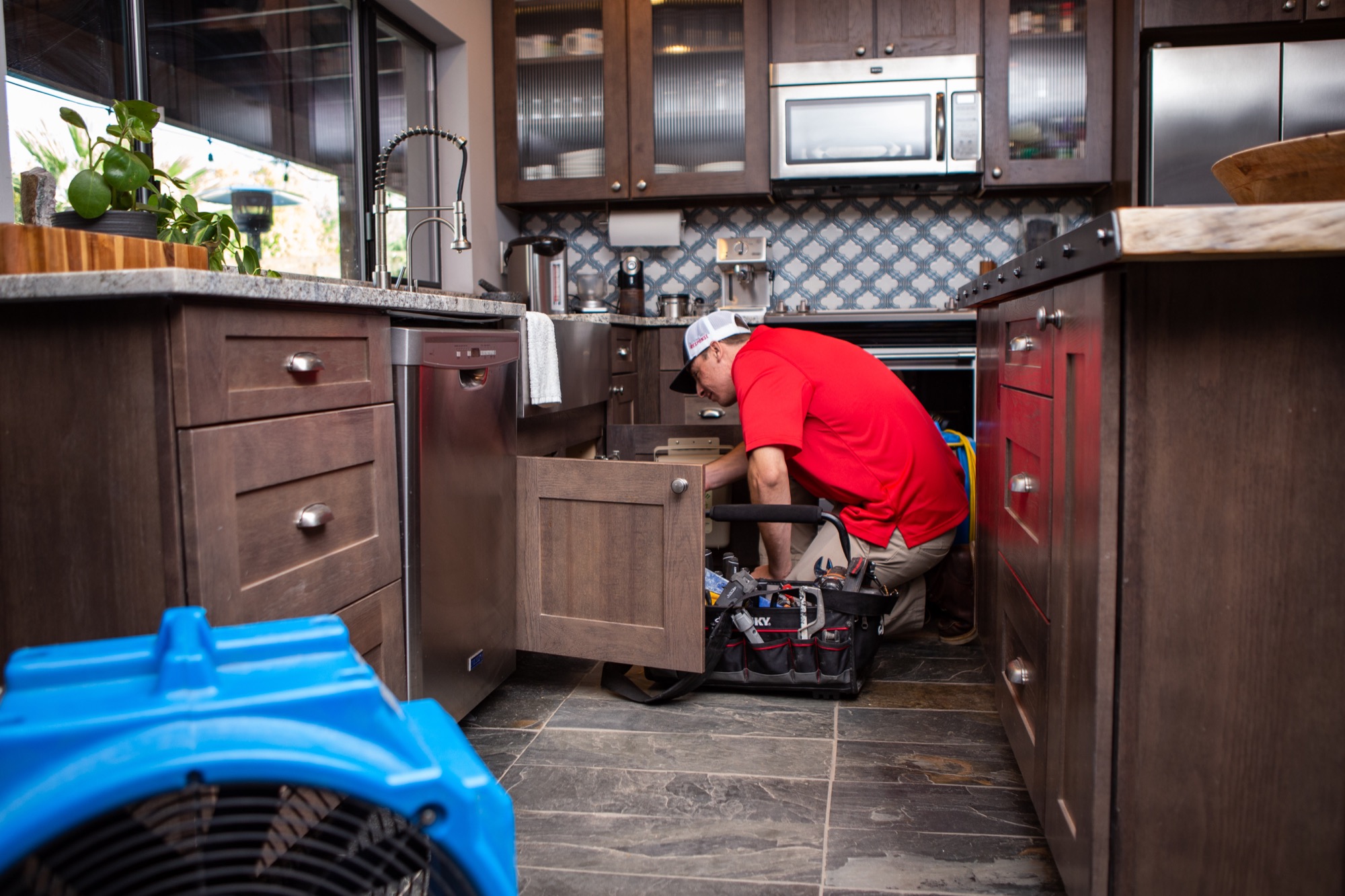
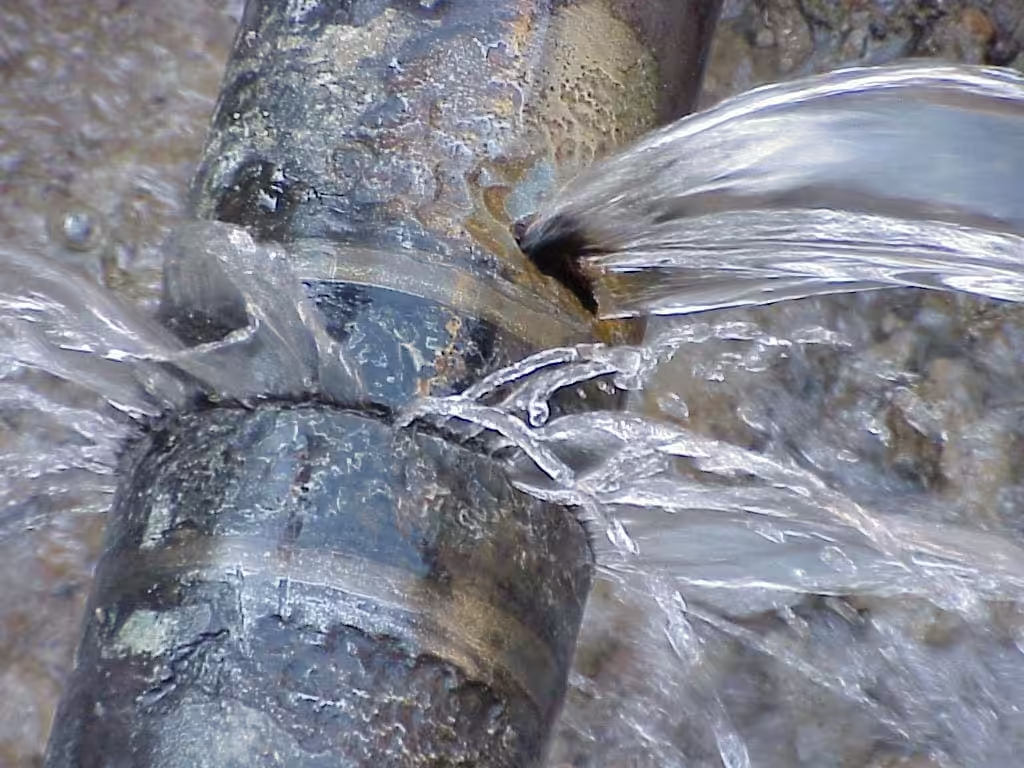
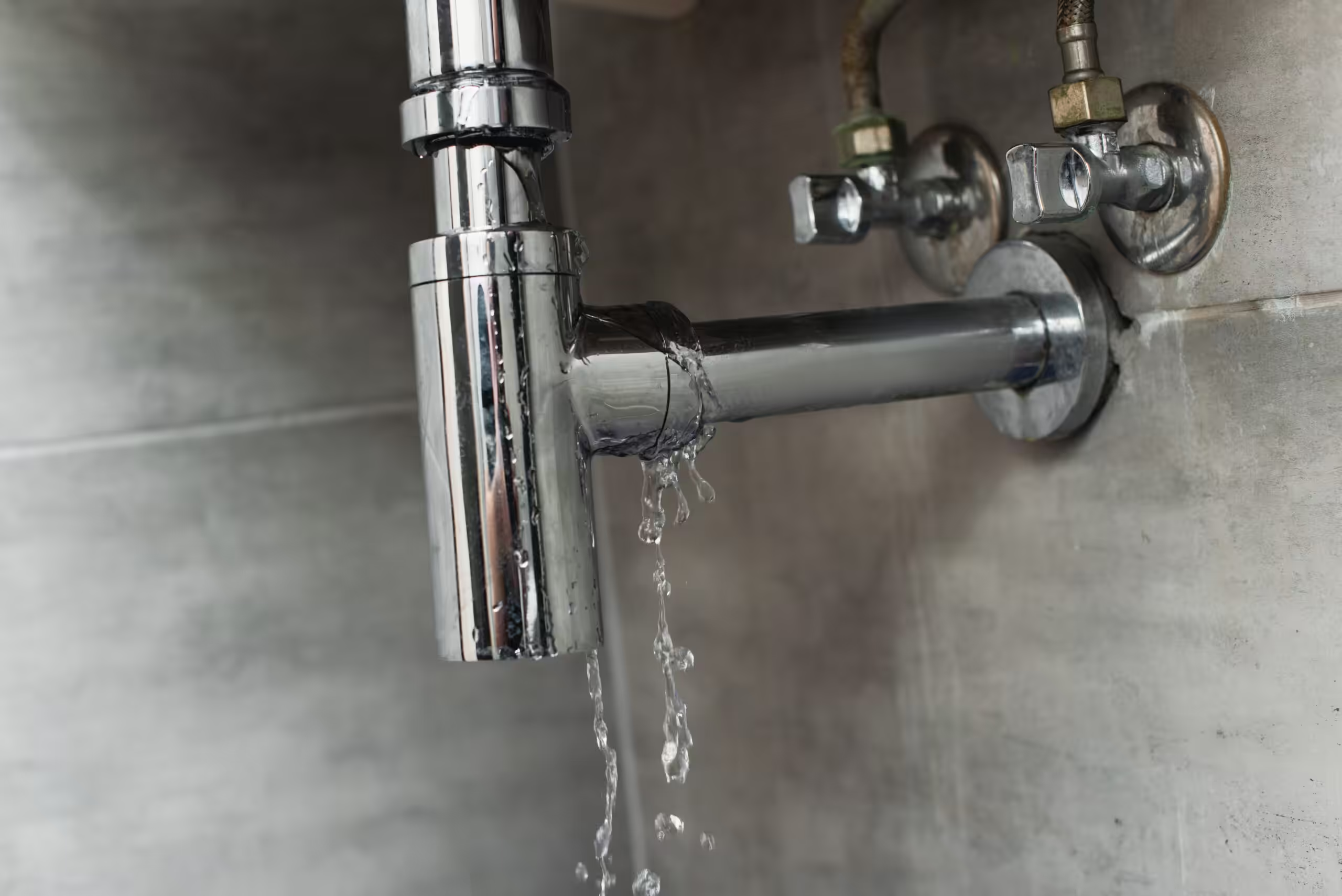
Quickly clean up, dry, and repair burst pipes, leaks, and other plumbing emergencies 24/7.
Learn More →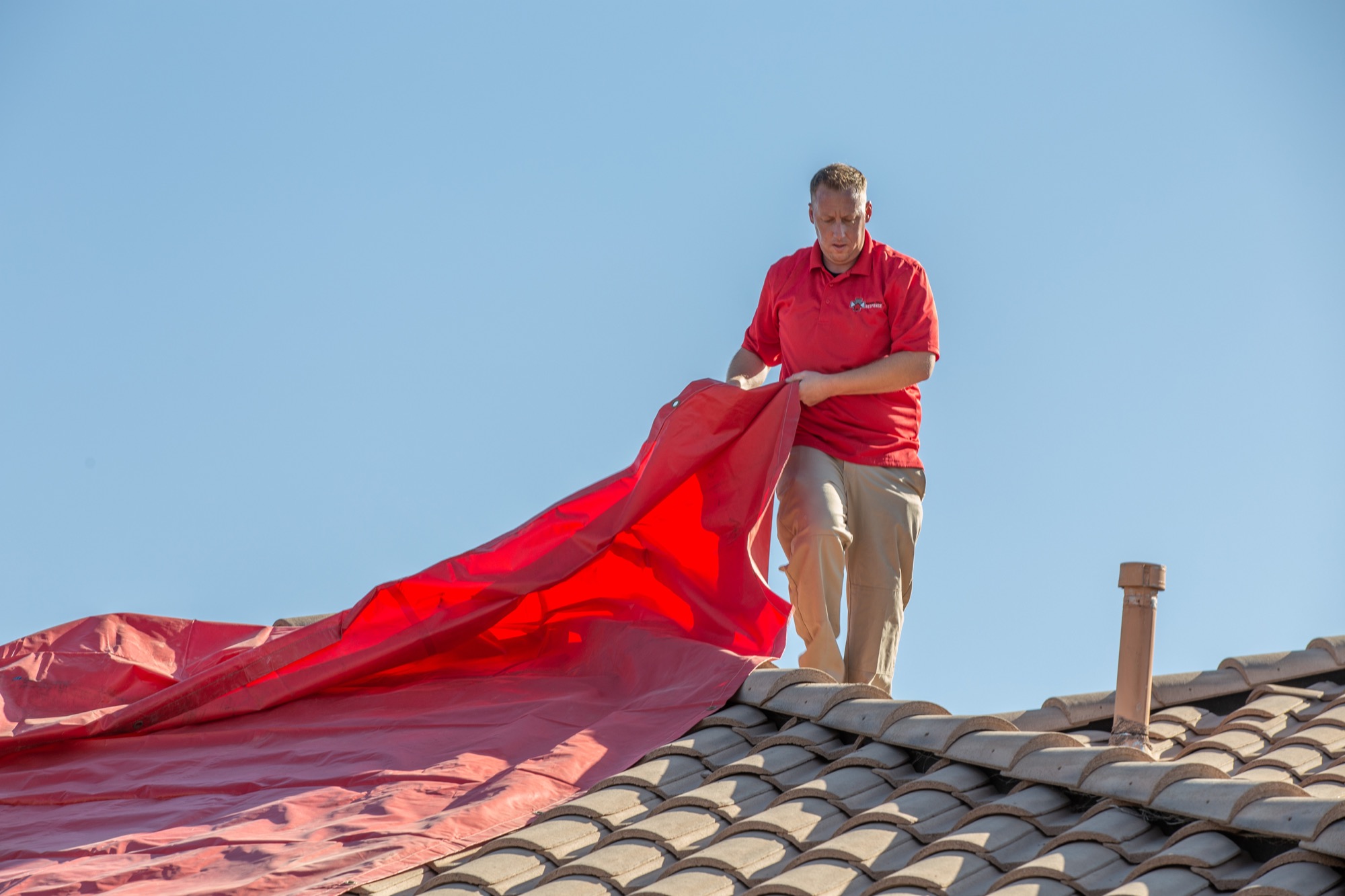
Emergency tarp-off, leak response, and roof repair after storm and water damage.
Learn More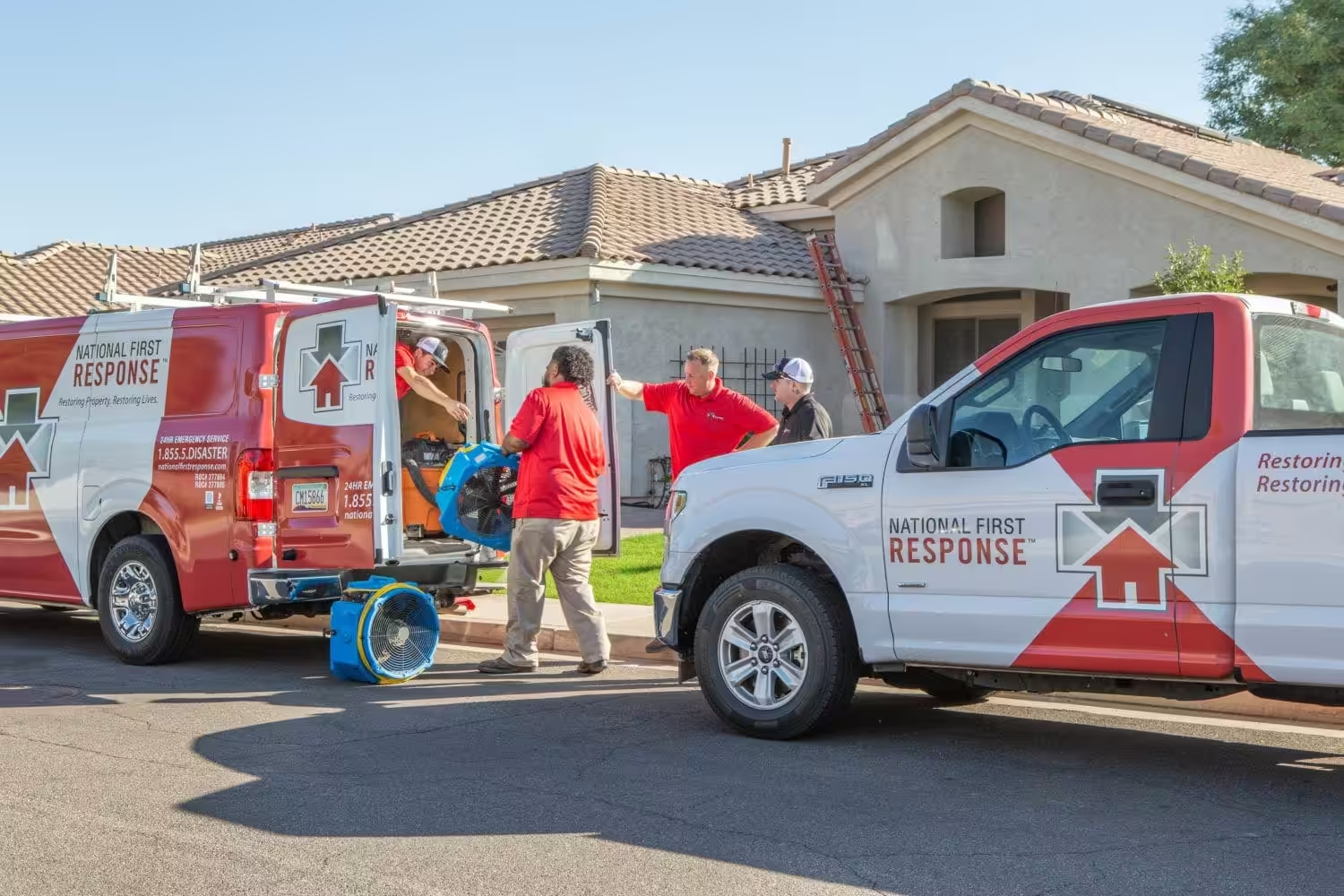
Discreet, professional biohazard and unattended death cleanup with certified technicians.
Learn More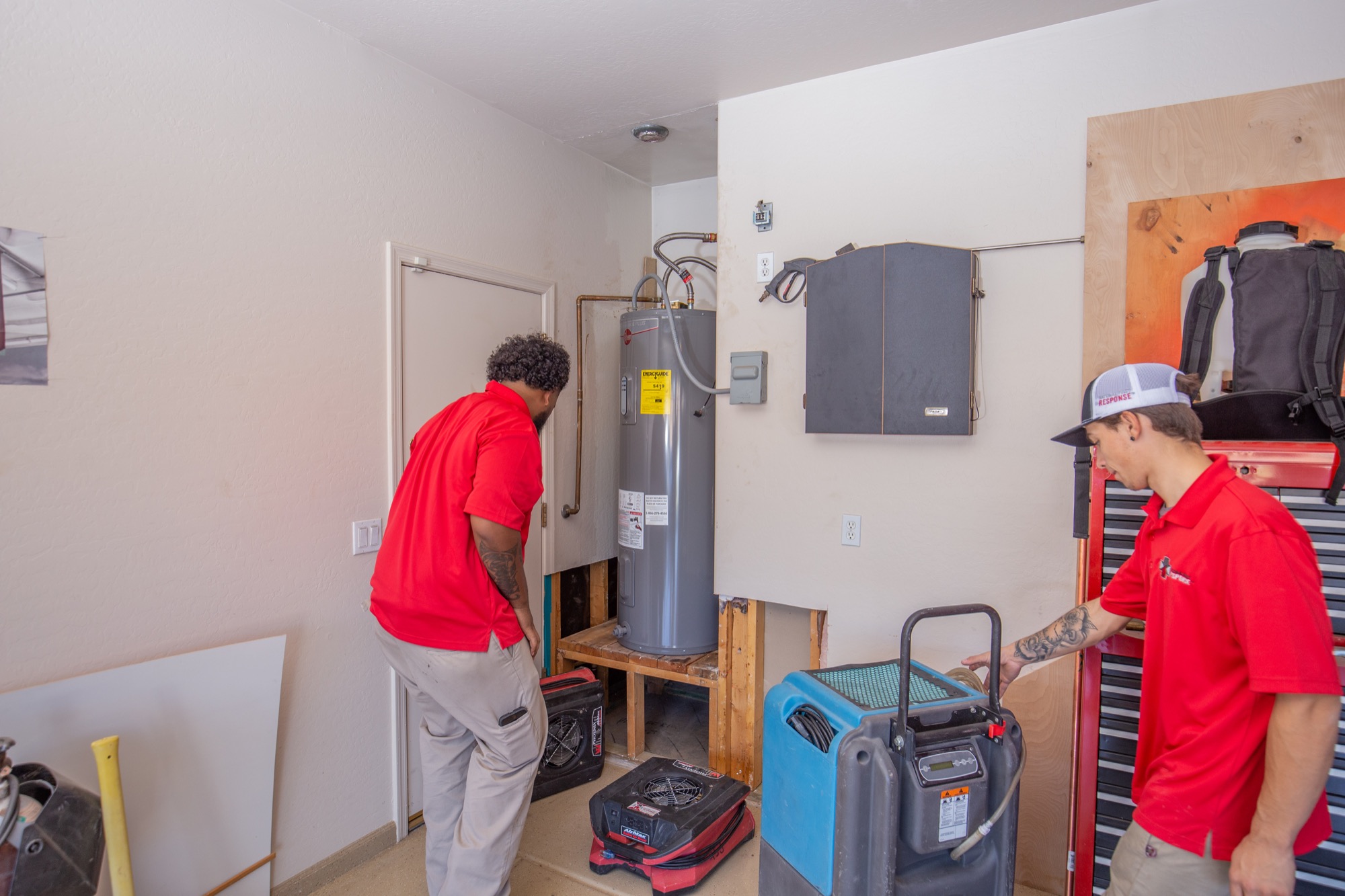
Failed water heater? We stop the water, dry the damage, and handle the repair.
Learn MoreLarge-loss commercial mitigation and reconstruction that gets businesses reopened fast.
Learn MoreComplete home restoration from first response through reconstruction.
Learn More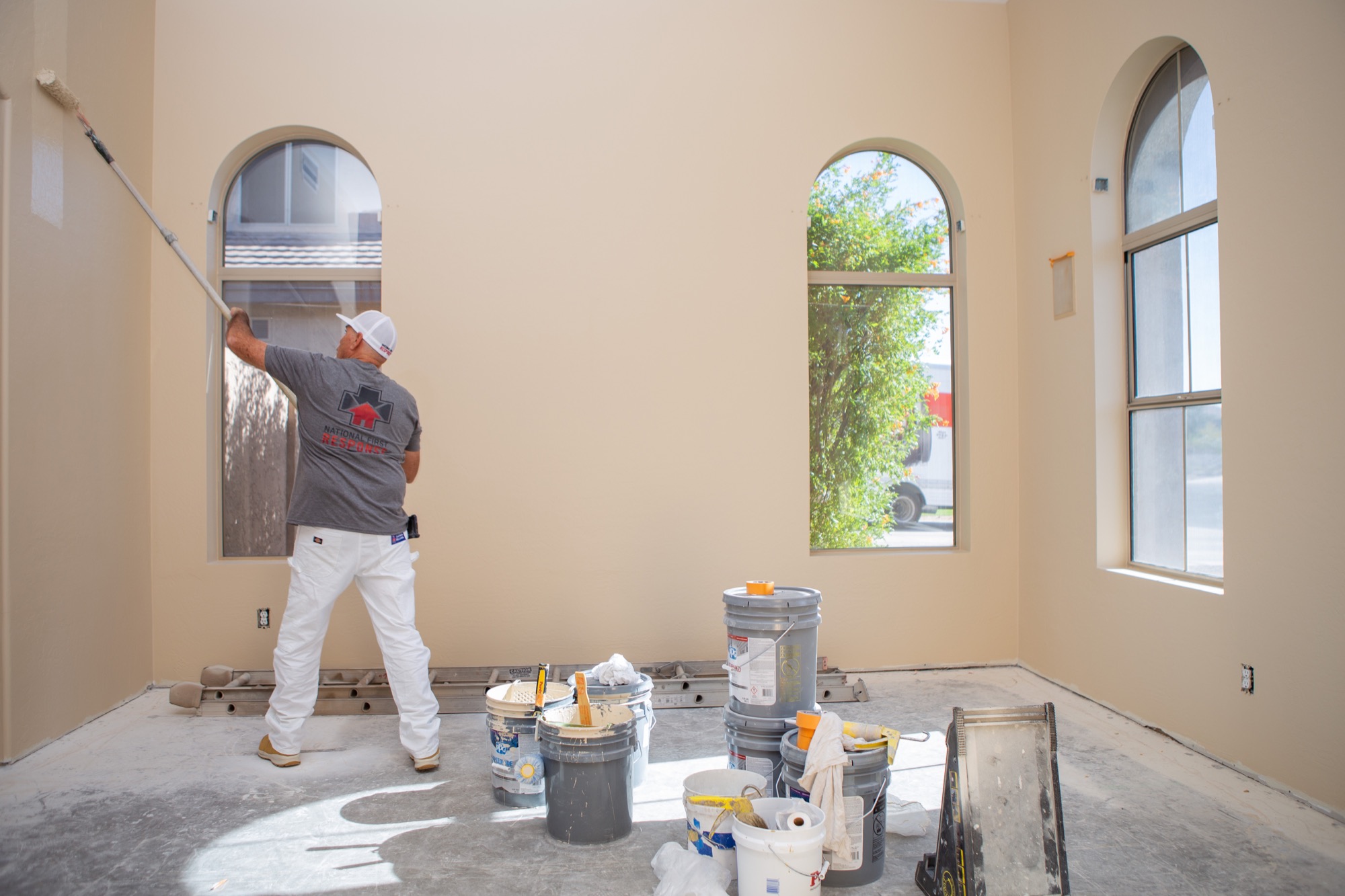
Licensed building contracting for repairs and full reconstruction after a loss.
Learn More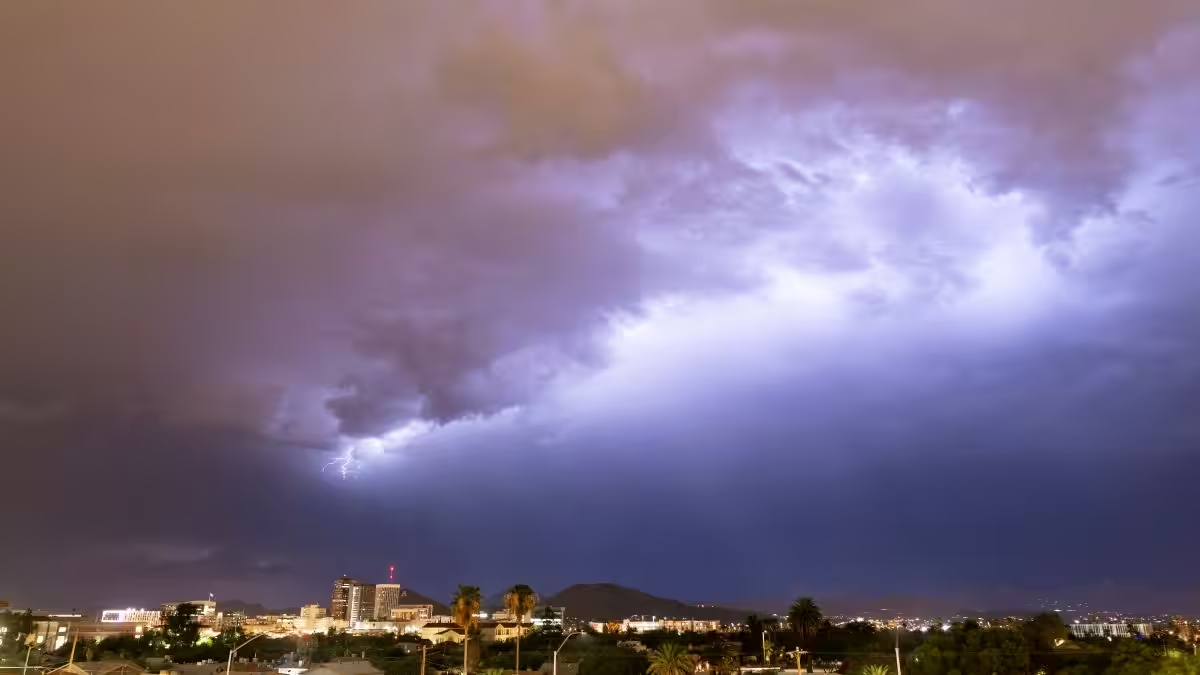
Roof damage, water intrusion, fallen trees, lightning, and flooding from monsoon storms.
Learn More18+ Years Serving Arizona
After 18+ years restoring Arizona properties, we know the water you can see is often only part of the problem. These are some of the calls we handle most, from failed water heaters to hidden pipe leaks.
Get Your Property Back to NormalWe can help with that too.
From Our Customers
“Amazing job. Highly recommend. I worked with Kyle for my roof. At first I wasn’t to sure, i hate calling insurance, Kyle assured me he would deal with everything. He kept me in the loop the entire time. So I was aware of everything that was going on without the stress. The roof looks amazing and was done super quick once it was approved. If you’re thinking about it, you should do it. Kyle was very professional and that’s important to me because I’m female so I’m always worried I don’t know enough and can be taken advantage off.”
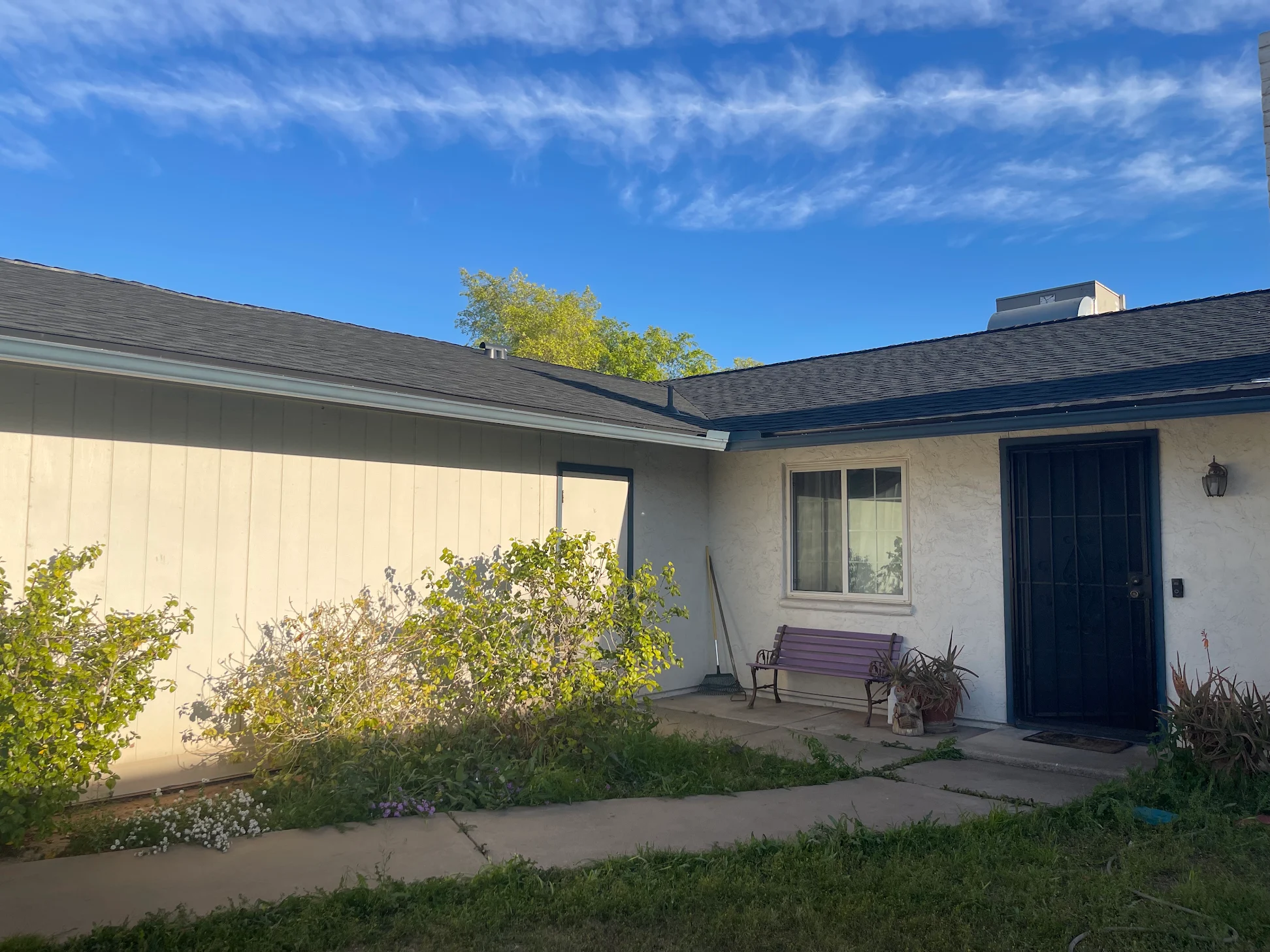
“This was a wonderful experience, working with National First Response. From the first day of inspection to the final day of having my roof installed, it was less than one month. Great service! Thank you so much. Nicole was very quick to respond every time.”
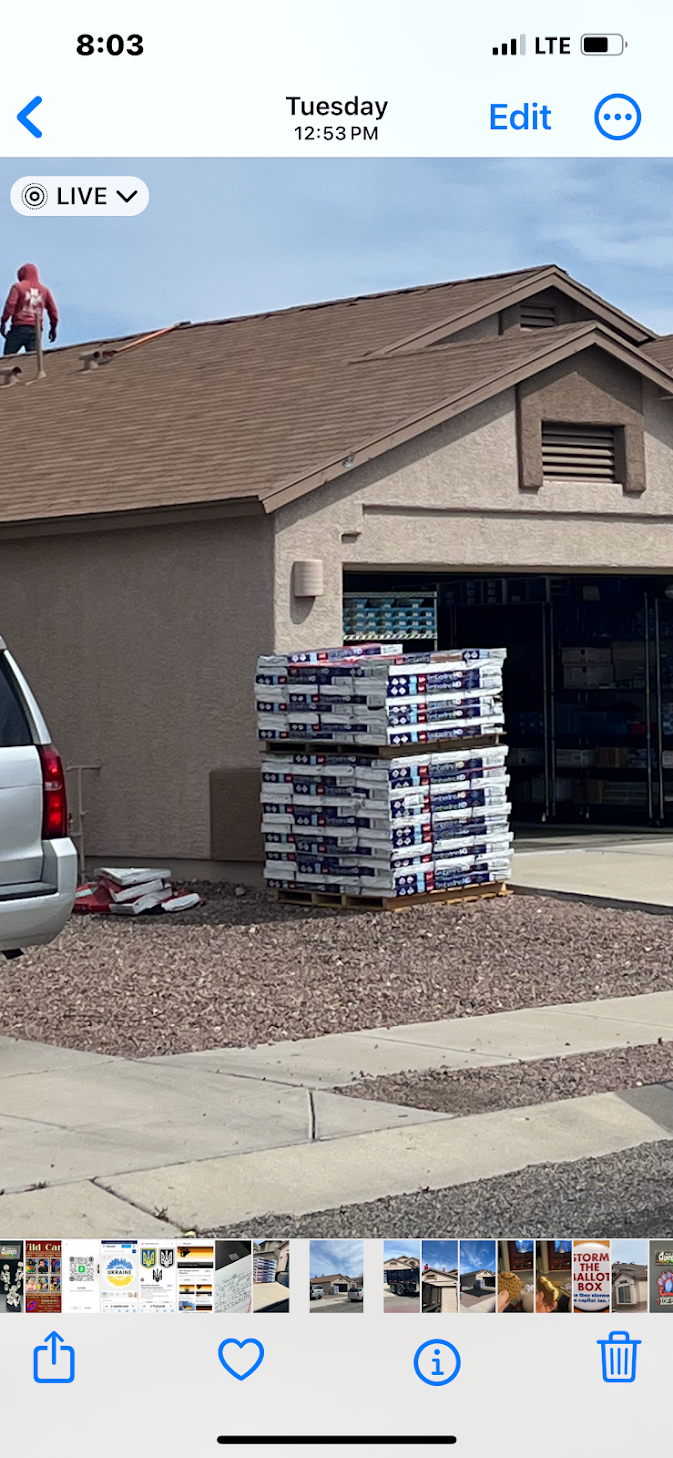
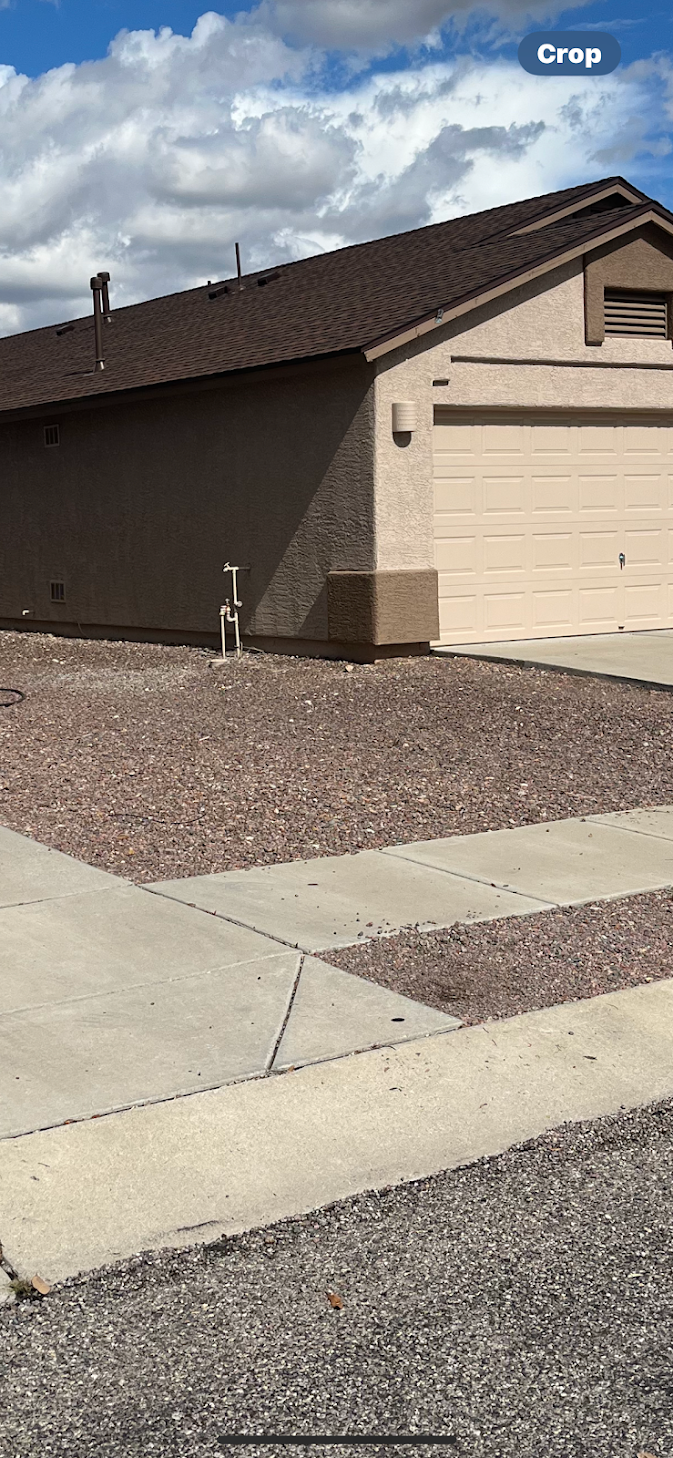
“I am very impressed with National First Response's roofing division. My roof replacement was covered by my home insurance company and I could not be happier with the professionalism of everyone I met or was involved with personally. My contact, Nicole Sullivan, who I only connected with virtually, kept me informed of the process every step of the way. Her cheerful and prompt response to my inquiries was refreshing. Brandon Velander, who came out after the roof was installed, was equally cheerful and professional. The crew that delivered the roofing materials and the crew that installed them were cheerful and professional as well. I'm very happy with this company and will definitely refer them to my friends.”
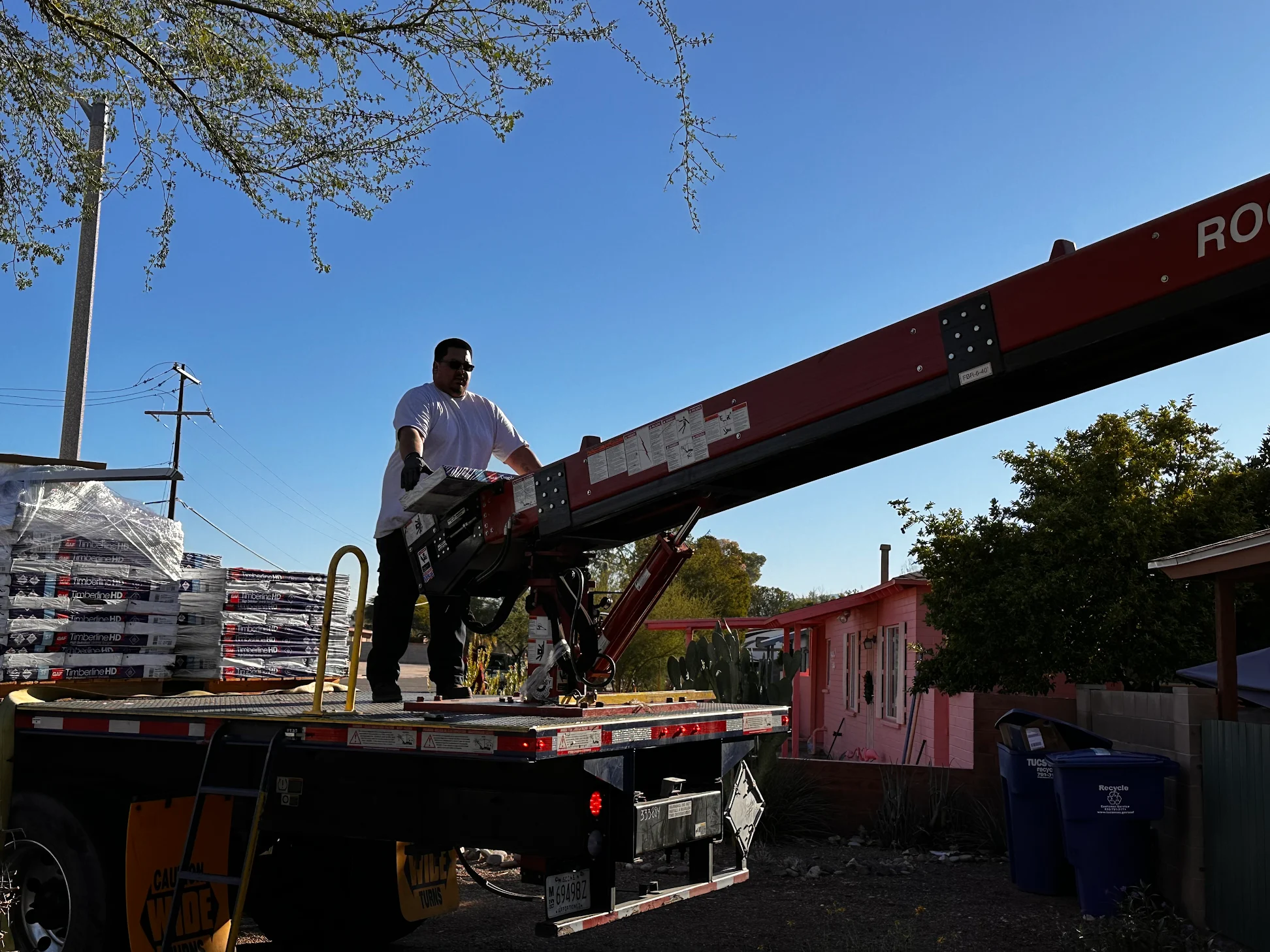
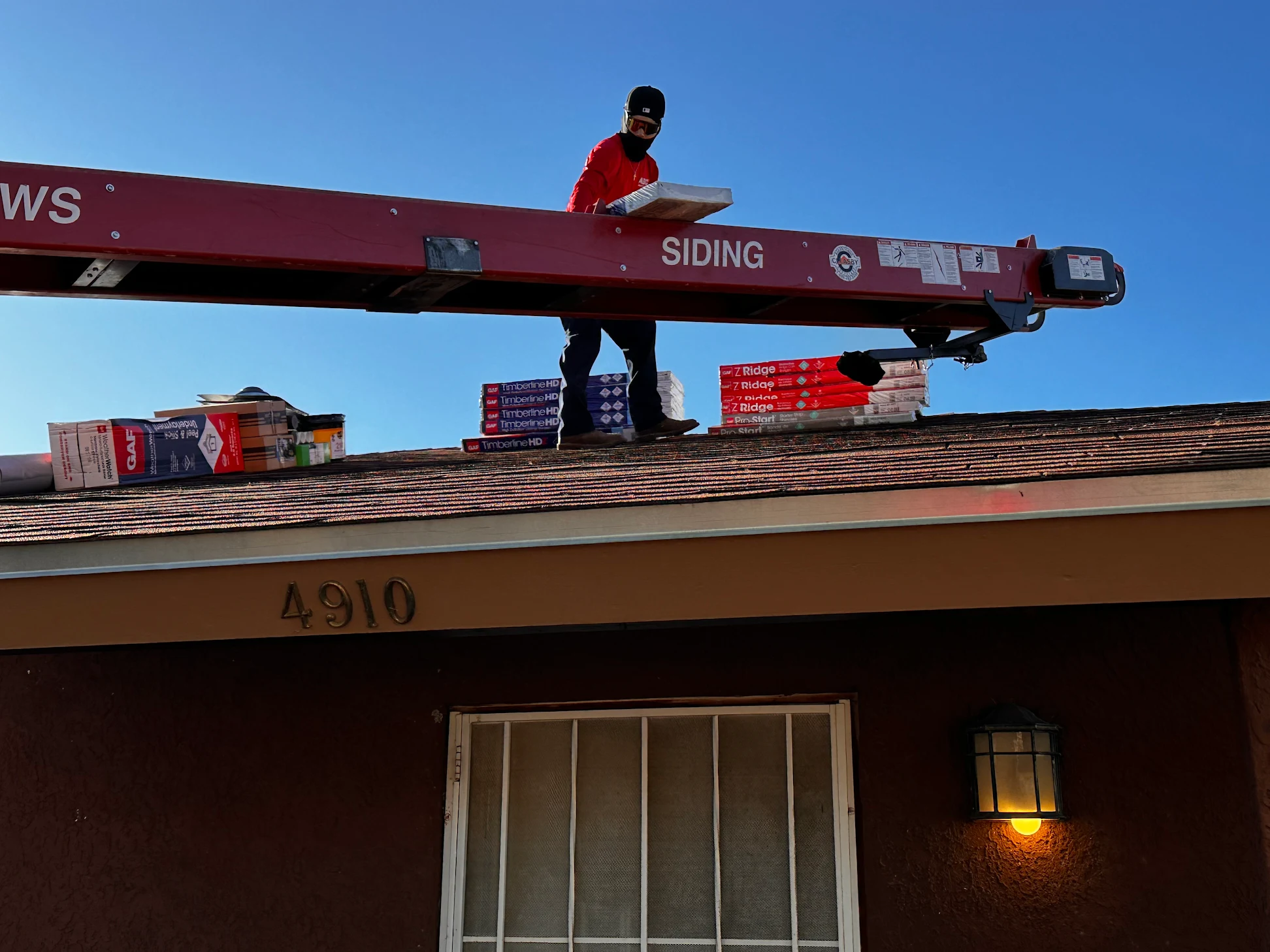
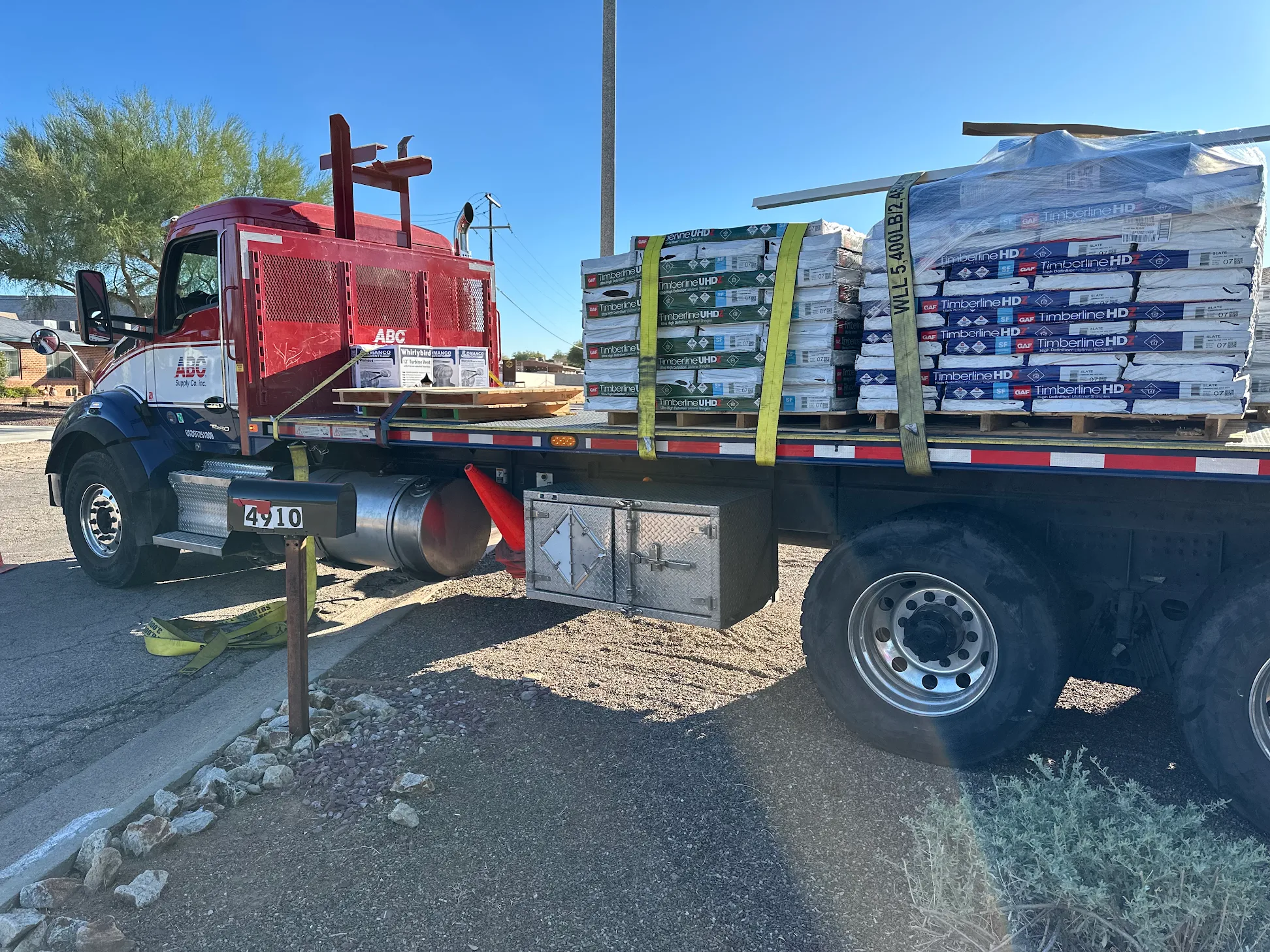
“We worked with Mike and he took us through the process flawlessly! The crew showed up on time and did a high quality job. Our roof looks great. Thanks to NFR!”
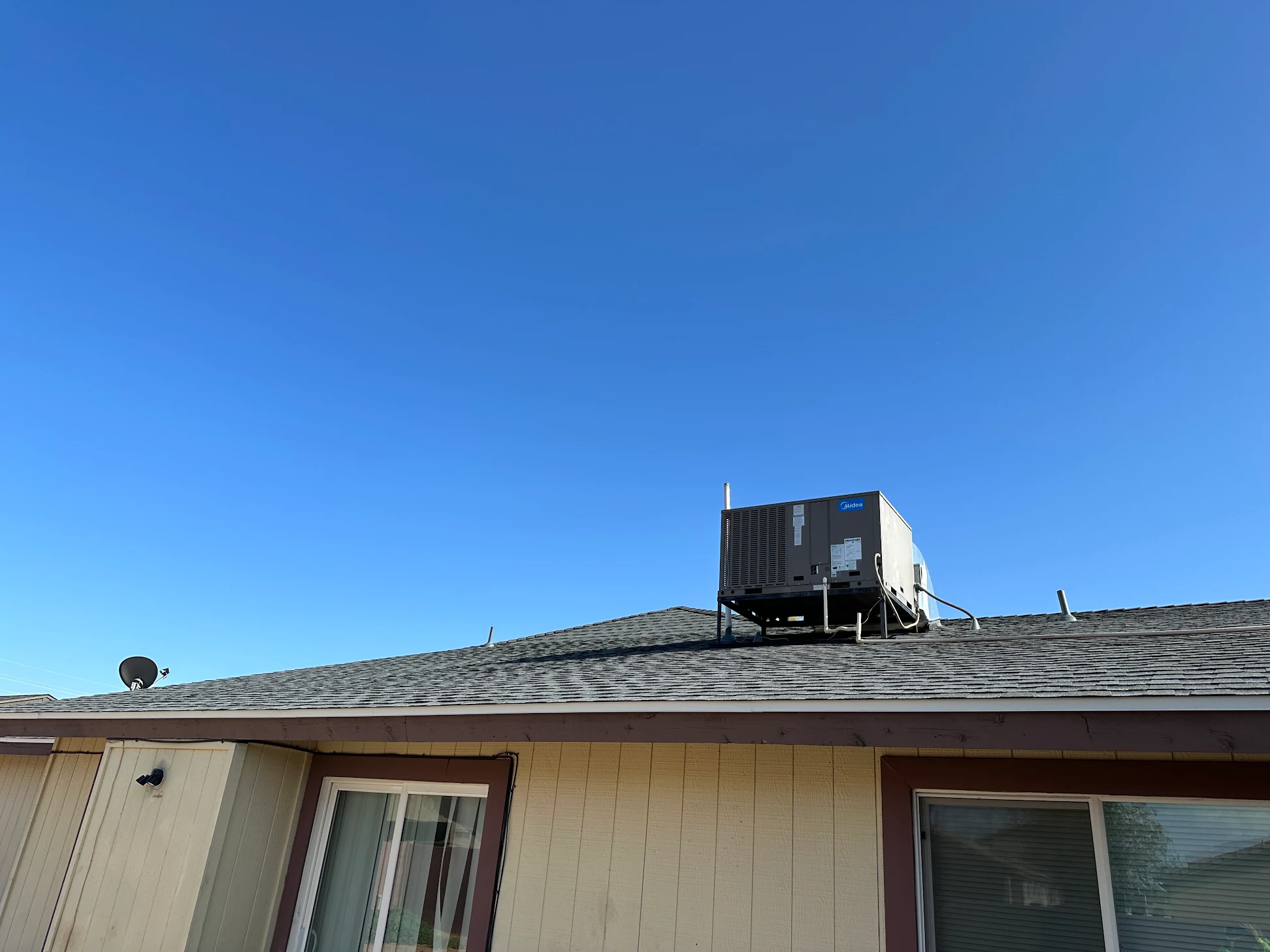
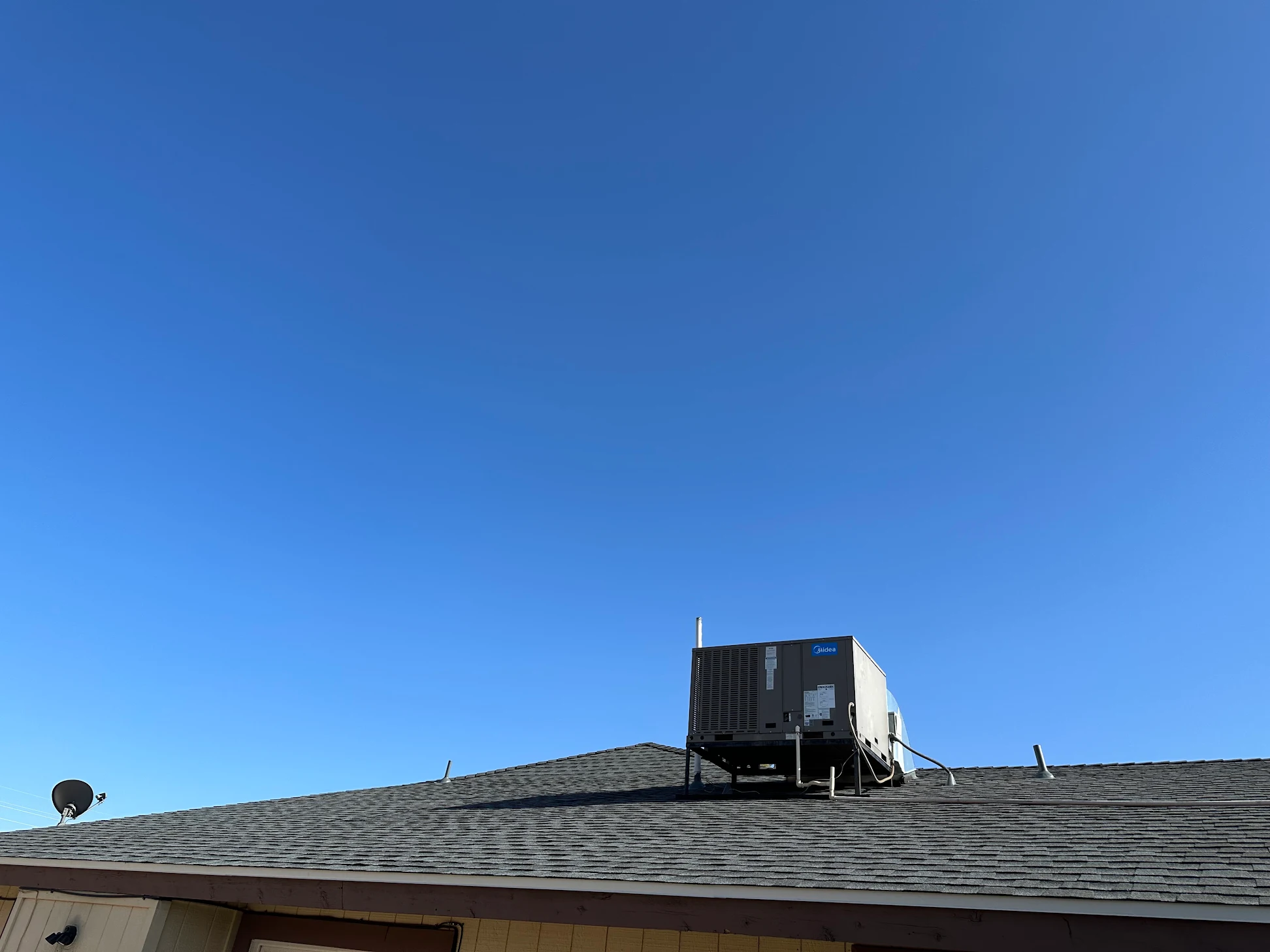
“Great experience! From the get go the First Response team was super communicative, they made sure all aspects of the project were aligned and being handled properly. The Ops manager, Nicole and her staff were communicating with me weekly and throughout the process of the installation. The installation team was amazing, very knowledgeable, professional and thorough. They made sure the property was kept clean and maintained, they cleaned up after installation and made sure everything was right before they completed. These guys are pro level and on point 100%. Highly recommend this company for roofing…!”
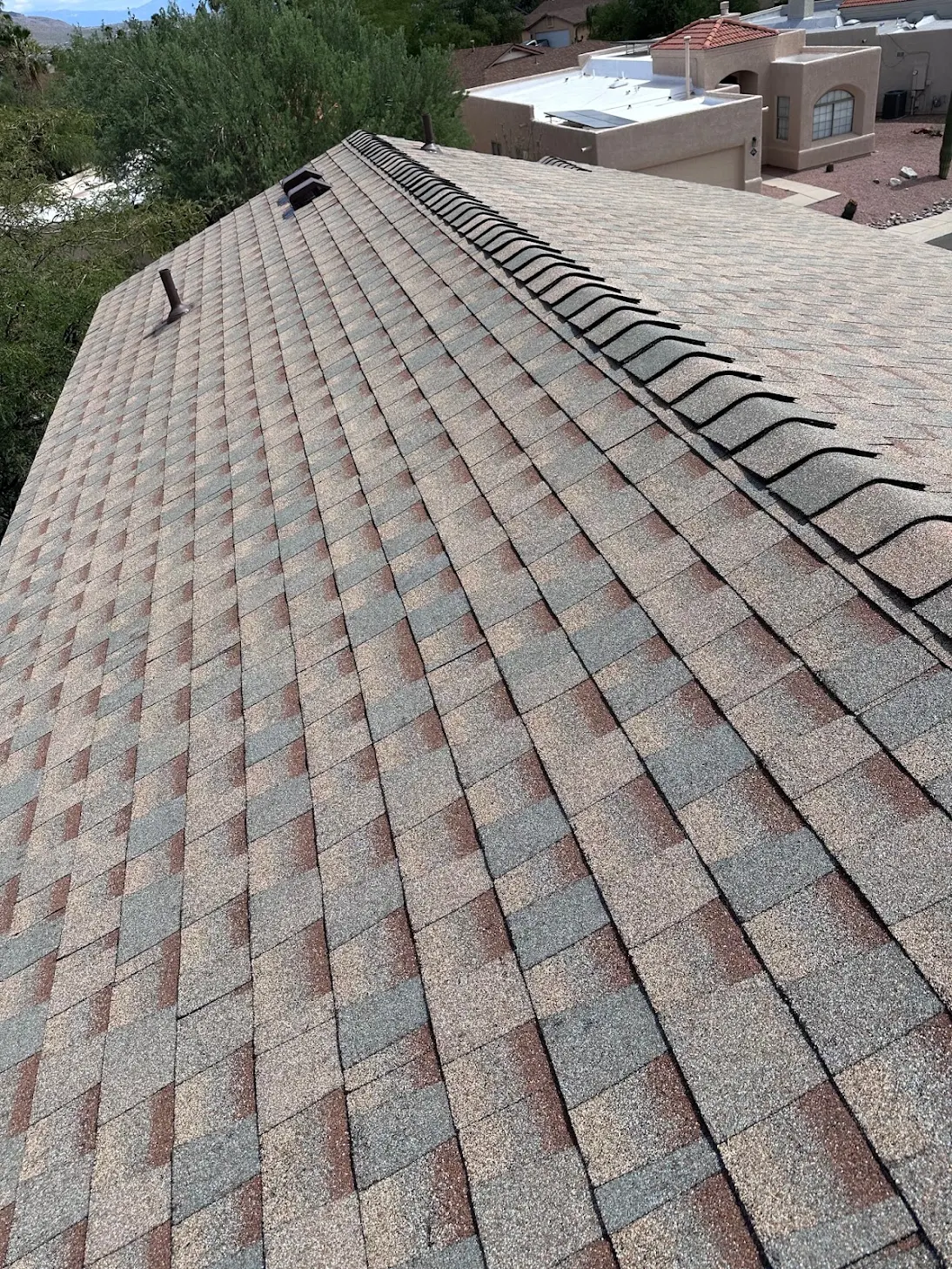
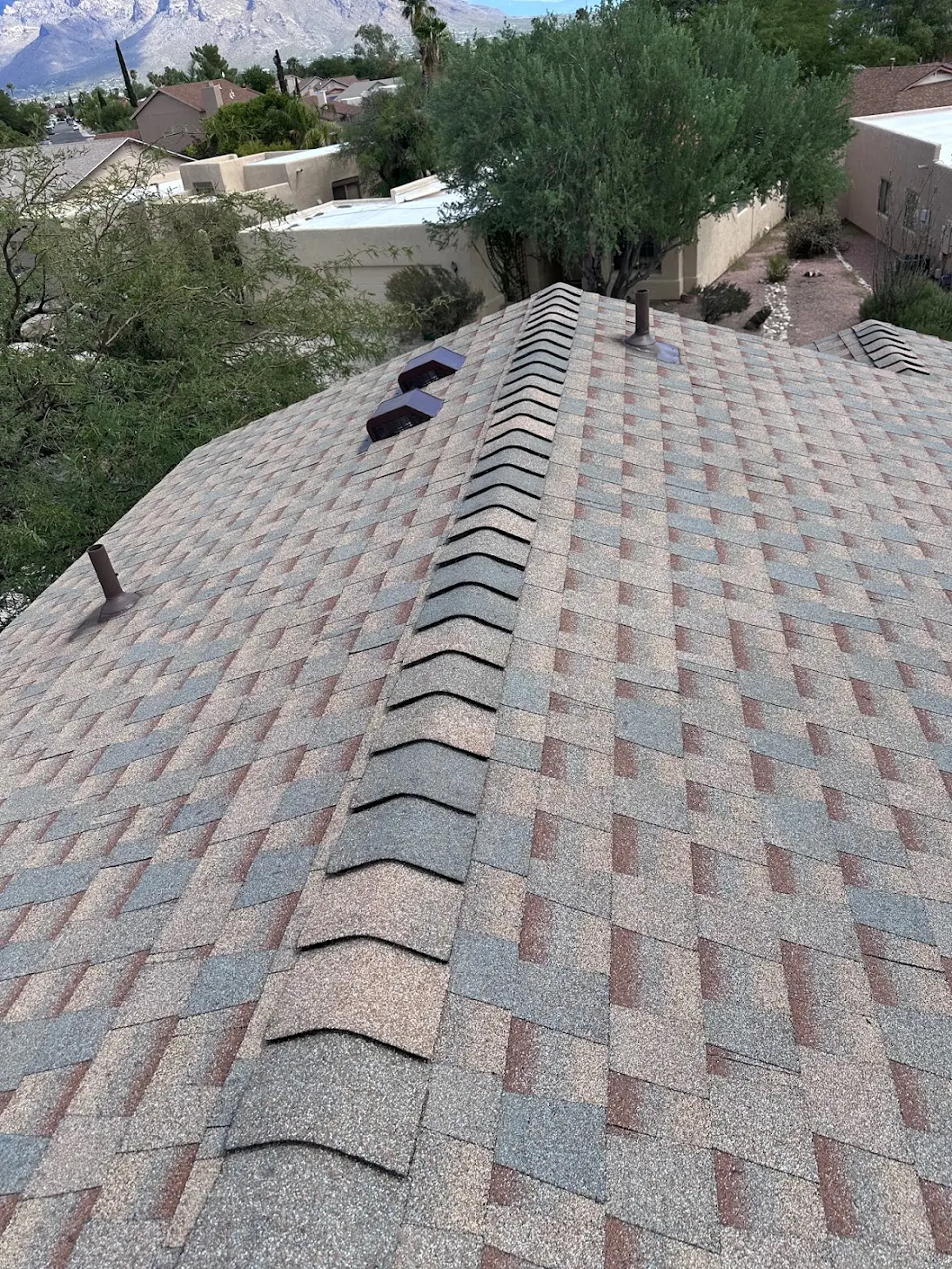
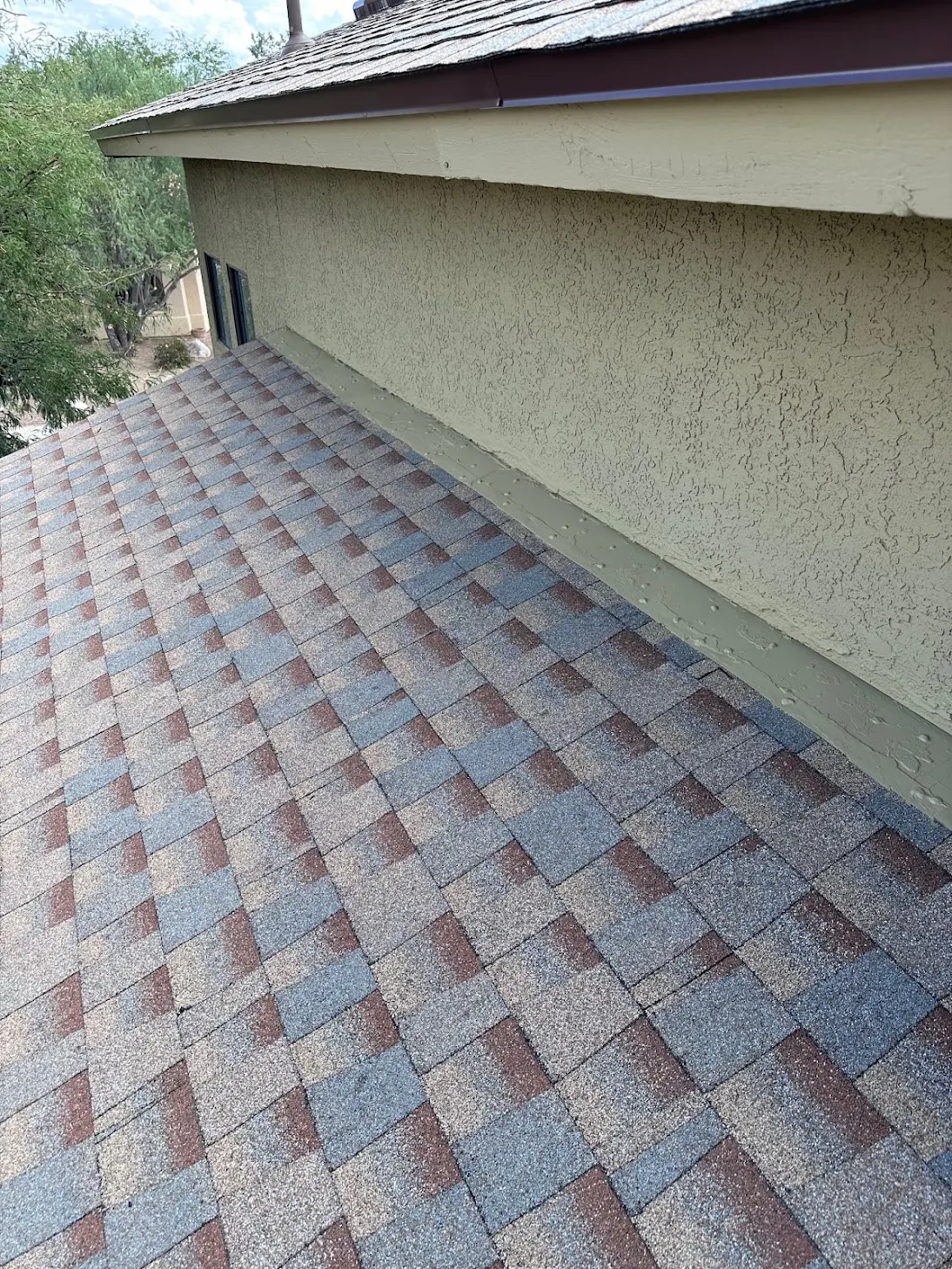
“We had such a great experience with this company. We love our new roof! Very professional throughout the whole process. Thank you National First Response! I would totally recommend to my friends and family!”
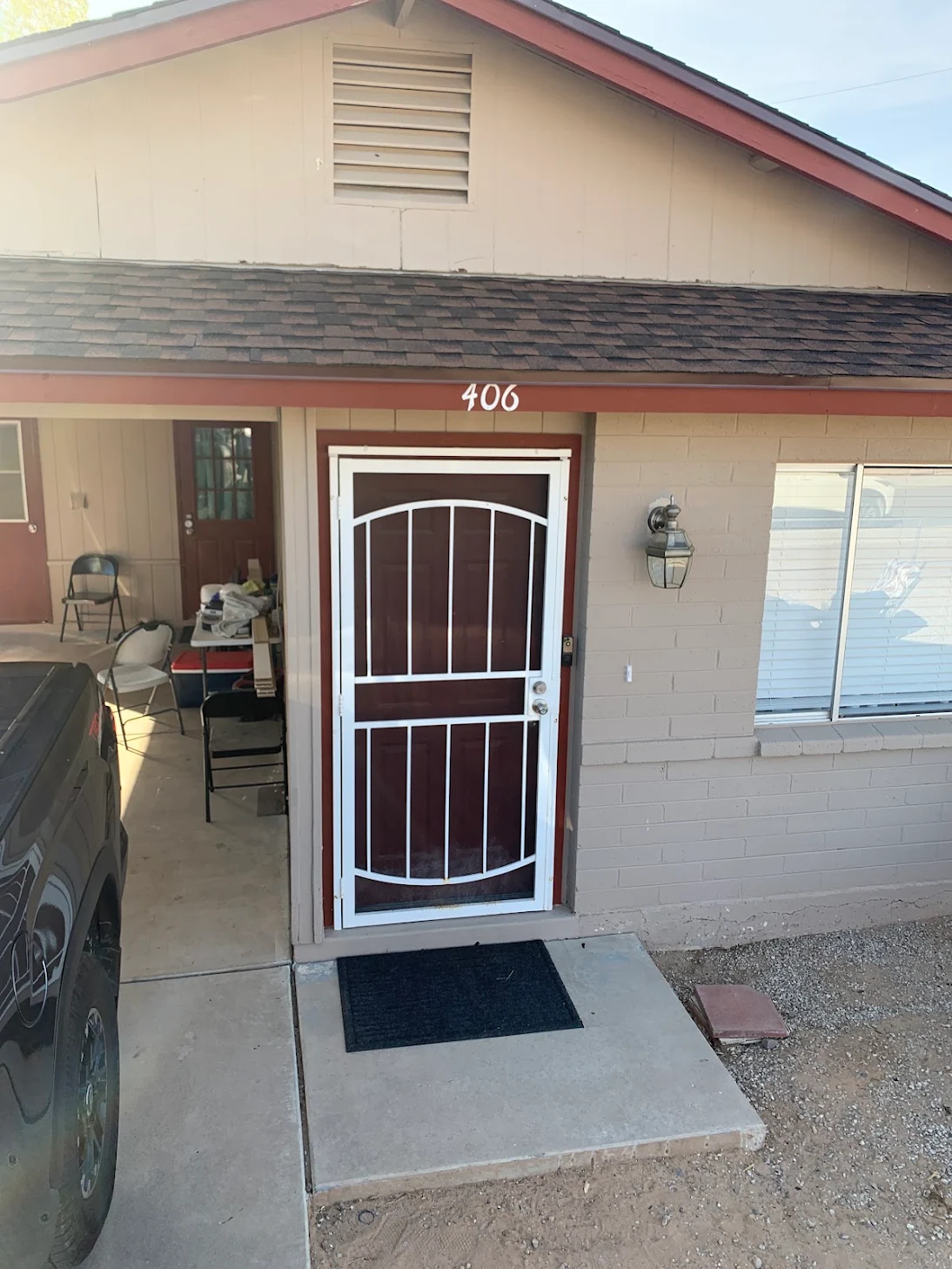
24/7 Statewide Service
Not sure how serious the damage is? We can assess what happened, explain the next step, and help you protect the property before the loss spreads.
Additional Arizona service areas
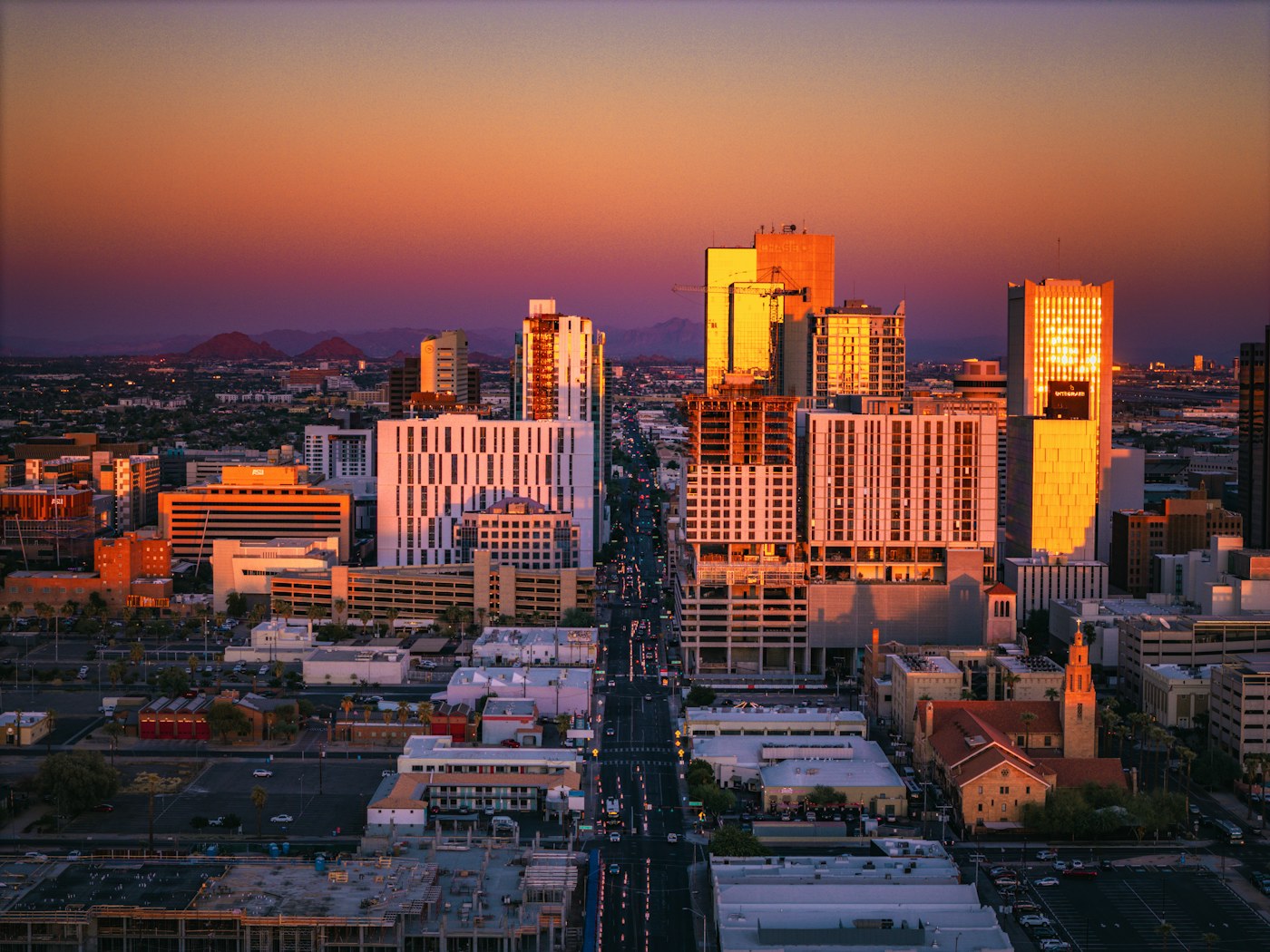
24/7 local response
Water, fire, storm & property restoration
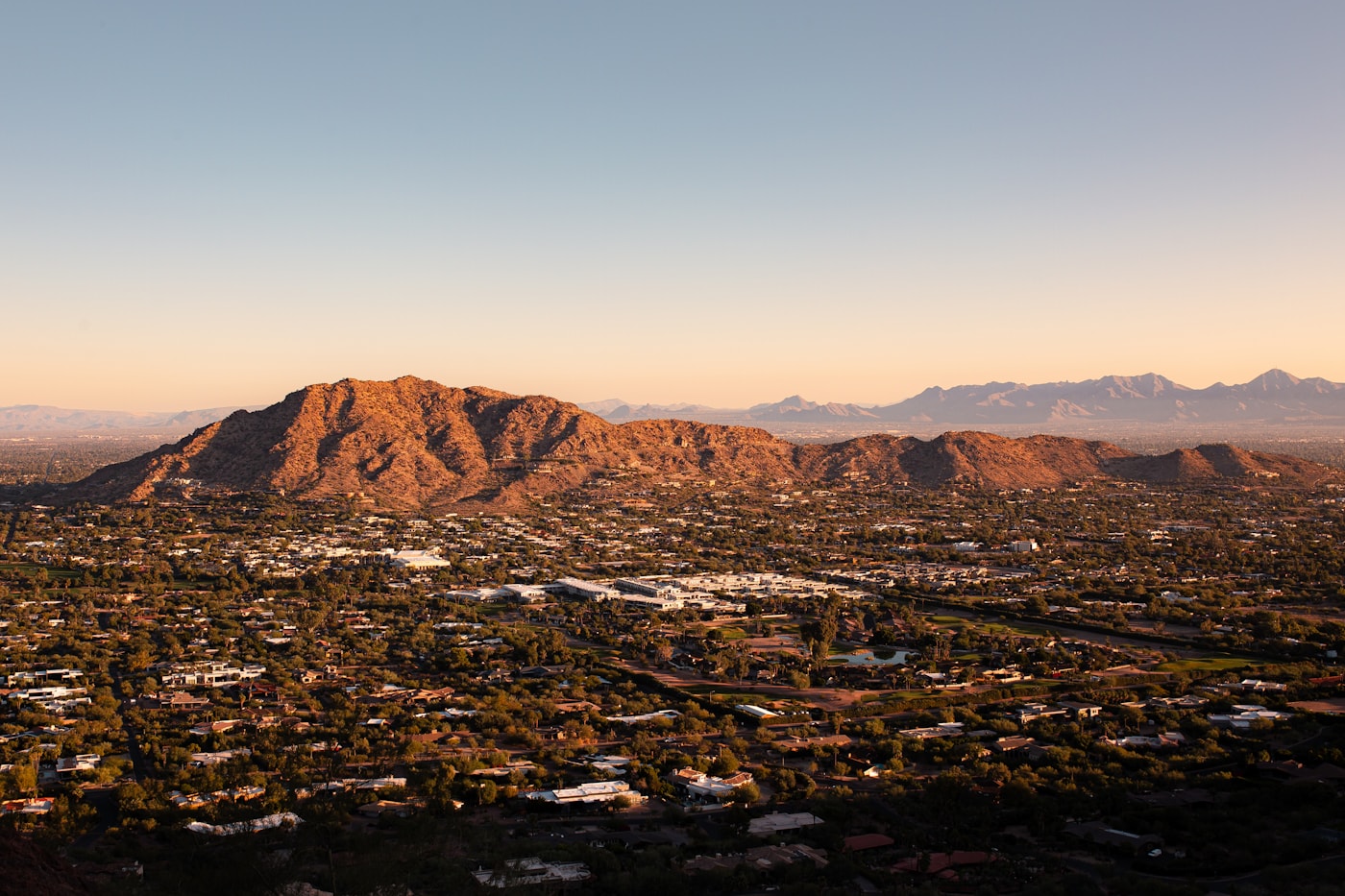
24/7 local response
Water, fire, storm & property restoration
Our Home Base
316 S. Price Rd
Tempe, AZ 85281
Learning Center
Real-world insights and critical updates in property restoration and disaster recovery.
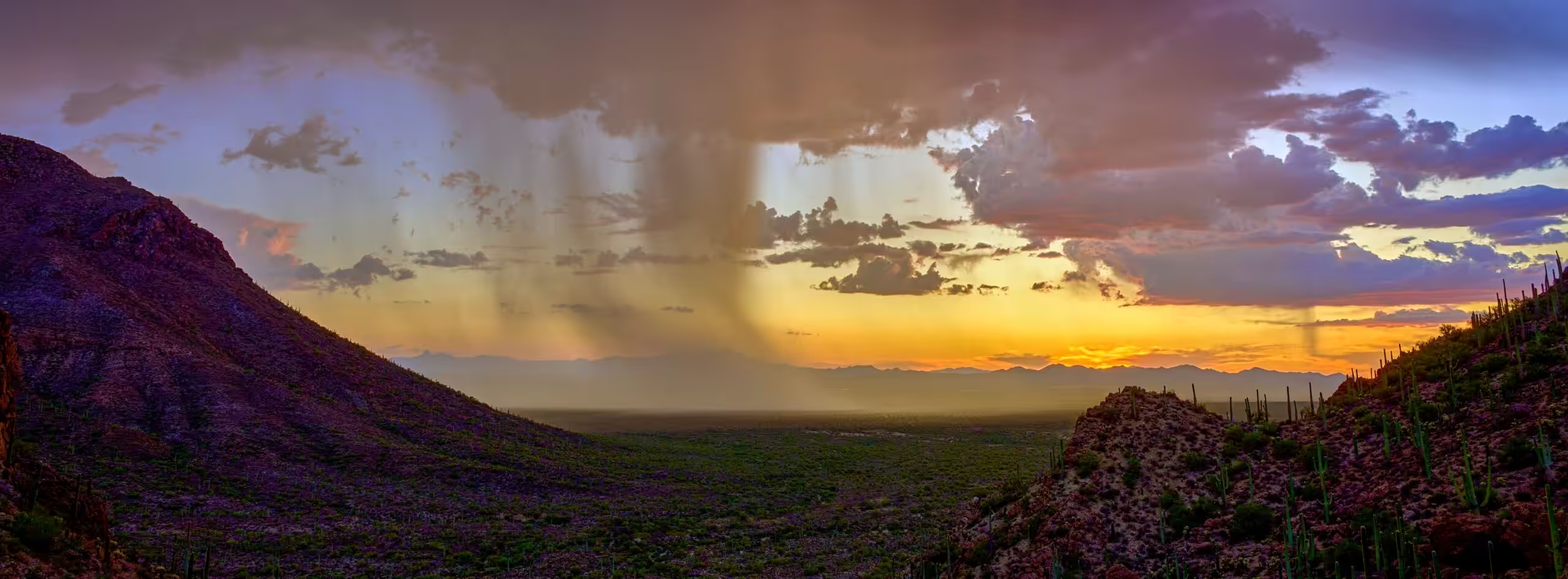
Storm Damage
Call NFR for 24/7 Arizona monsoon damage restoration, water extraction, drying, roof leak repair, cleanup, reconstruction, and insurance support
May 13, 2026
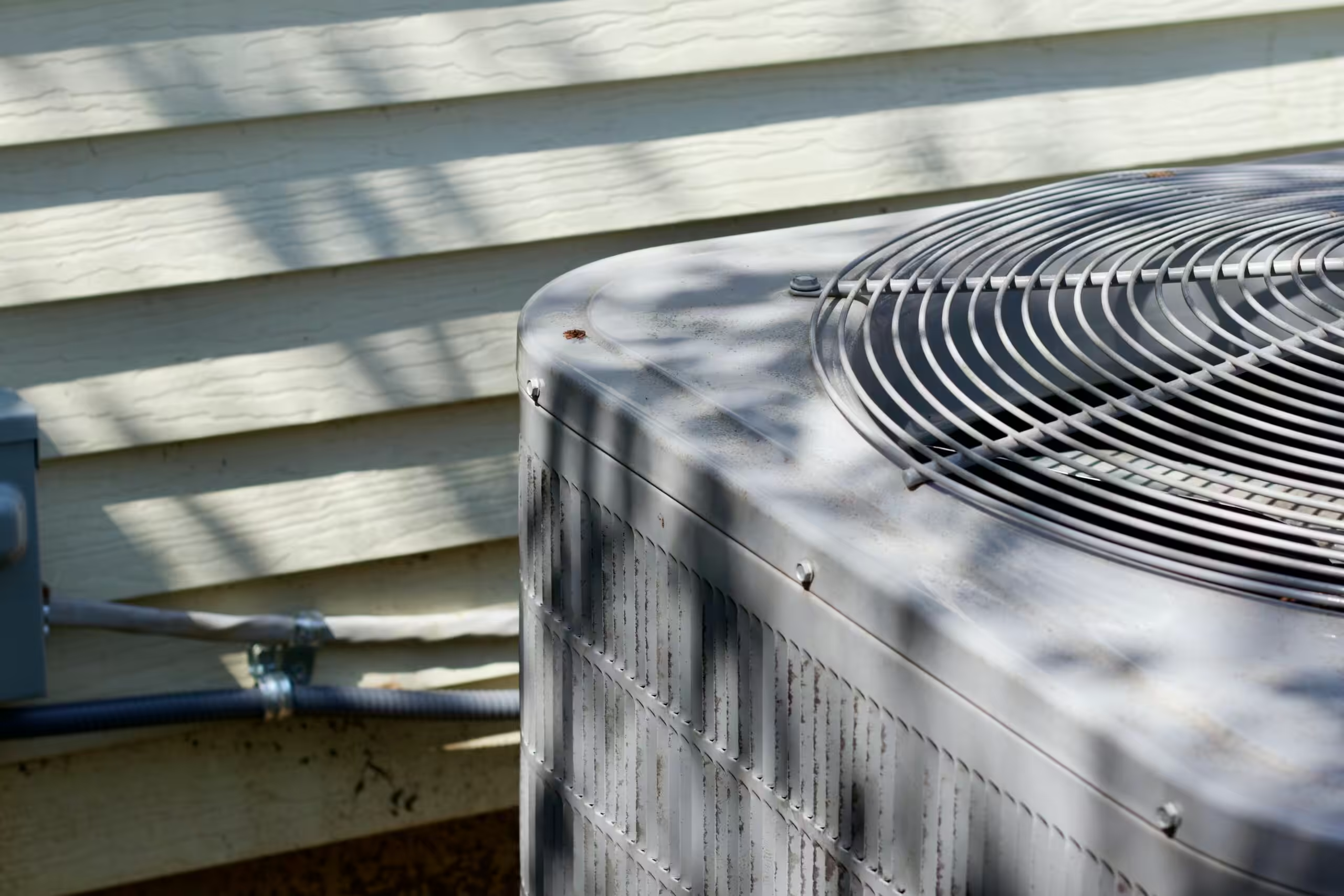
Water Damage
AC leak causing water damage? Call NFR for 24/7 water extraction, structural drying, mold prevention, repairs, and insurance support in Arizona today.
May 13, 2026
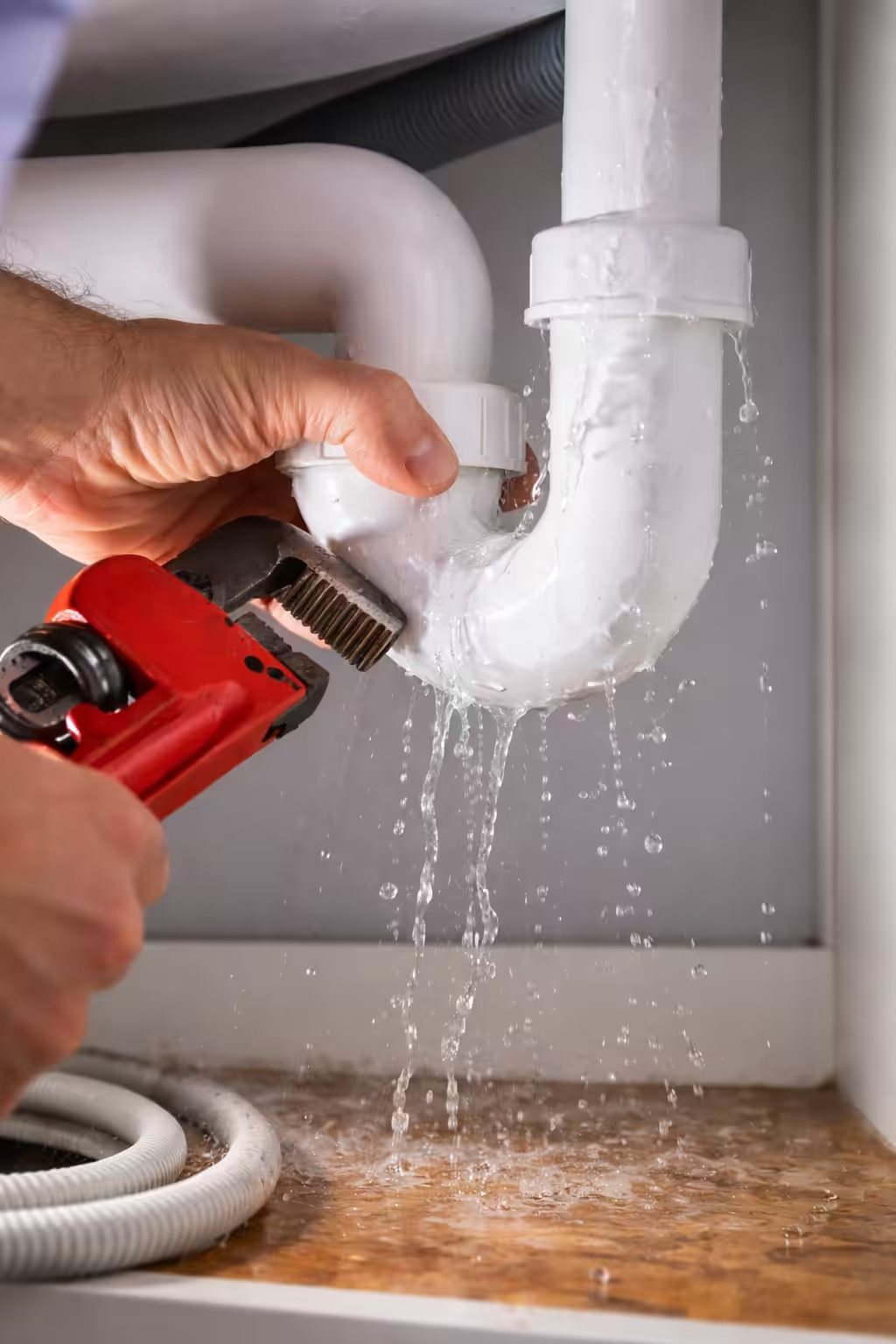
Plumbing
Plumbing leak? Call National First Response to stop water damage, dry hidden moisture, and protect your property before a small leak turns costly.
April 21, 2026
One call brings the right crew, a clear recovery plan, and help with the insurance paperwork from start to finish.
Fastest way to get helpCall 480-405-5596Not in immediate danger?
If anyone is in danger, leave the property and call 911 before contacting a restoration company.