
480-566-9440
Monsoon Damage Restoration in Arizona: Roof Leaks, Flooding, Fallen Trees & Reconstruction
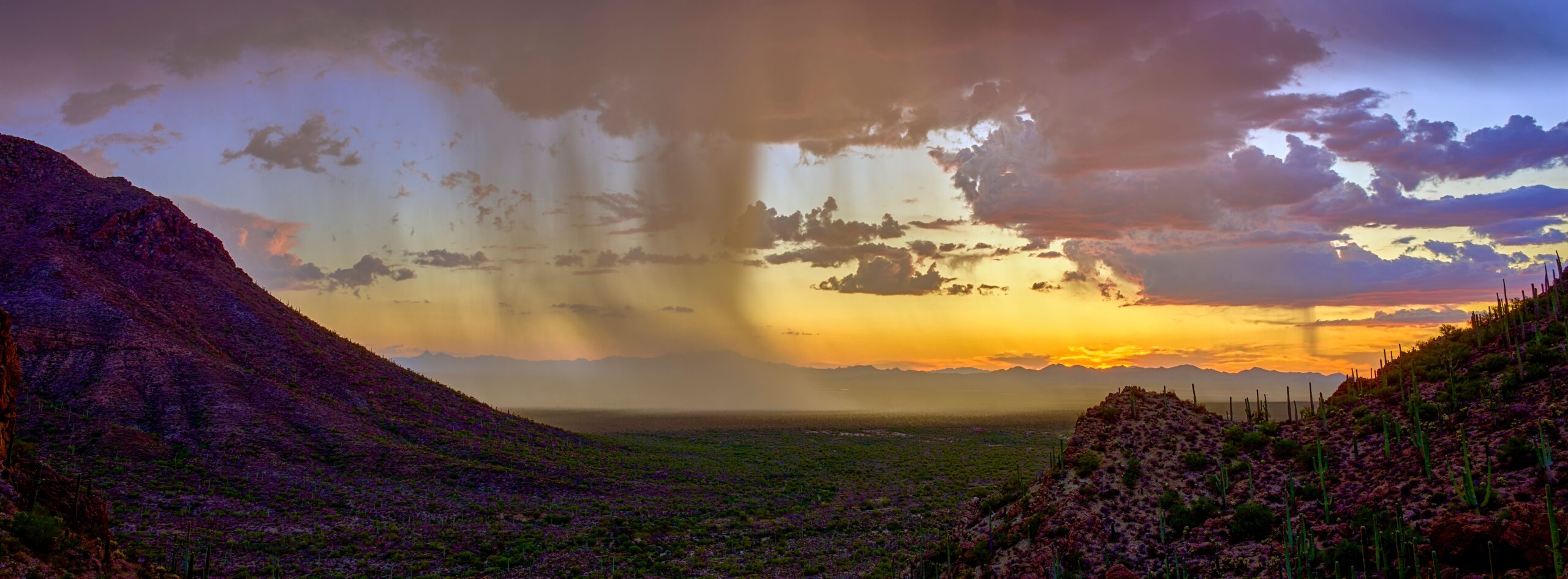
Arizona monsoon season is unpredictable by nature.
Some years, storms feel scattered and inconsistent. One part of the Valley gets hit hard while another area barely sees rain. In other years, one fast-moving storm can bring heavy rain, high winds, dust, fallen trees, roof leaks, flooding, and interior water damage in a matter of minutes.
Arizona monsoon season officially runs from June 15 through September 30, but property damage does not follow a perfect calendar. A slow season can still cause major damage if one severe storm hits your neighborhood, your roof, your trees, or your drainage system the wrong way.
That is why monsoon damage should be taken seriously before and after the storm.
When water gets into ceilings, walls, insulation, flooring, cabinets, or framing, the issue is no longer just “storm damage.” It becomes a water damage restoration problem that needs fast mitigation, drying, cleanup, and, in many cases, reconstruction.
National First Response provides monsoon damage restoration services across Arizona, including emergency water extraction, structural drying, storm cleanup, debris removal, mold remediation, repair, reconstruction, and insurance documentation.
What Is Monsoon Damage Restoration?
Monsoon damage restoration is the process of stabilizing, drying, cleaning, repairing, and rebuilding a property after heavy rain, high winds, flooding, fallen trees, roof leaks, or storm-related water intrusion.
For Arizona homes and businesses, monsoon storm damage restoration may include:
- Emergency water extraction
- Structural drying and dehumidification
- Moisture detection behind walls and ceilings
- Roof leak water damage mitigation
- Flood cleanup
- Fallen tree and debris removal
- Storm damage cleanup
- Mold inspection and remediation
- Removal of damaged drywall, insulation, flooring, and trim
- Sanitation after contaminated stormwater
- Structural repairs and reconstruction
- Insurance claim documentation
The goal is to stop the damage from spreading, remove hidden moisture, protect the structure, and restore the affected areas correctly.
A true monsoon damage restoration company does not just remove visible water and leave. The real work is finding where the moisture traveled, drying the affected materials, identifying unsafe or contaminated areas, documenting the damage, and rebuilding what the storm damaged.
Why Arizona Homes Are Vulnerable During Monsoon Season
Arizona homes are built to handle heat, but monsoon storms create a different type of stress.
Extreme summer temperatures can dry out roofing materials, exterior seals, soil, landscaping, and trees. Then monsoon storms bring sudden moisture, strong wind, dust, lightning, and heavy rain. That combination can expose weak points around a home quickly.
Water can enter through:
- Roof leaks
- Lifted or damaged roofing materials
- Cracked stucco
- Exterior wall openings
- Windows and doors
- Attic spaces
- Ceiling penetrations
- Clogged gutters, scuppers, or drainage systems
- Low entry points around doors and garages
- Areas damaged by fallen trees or flying debris
A house may look fine from the outside after a storm, but water can still be trapped inside ceilings, behind drywall, under flooring, or inside insulation. That hidden moisture is where serious secondary damage begins.
Need Monsoon Damage Restoration in Phoenix?
Get fast help with water extraction, drying, cleanup, and repairs.
Roof Leaks Can Become Interior Water Damage
During monsoon season, roof leaks are one of the most common ways storm damage becomes interior water damage.

A roof leak is not only a roofing issue once water enters the structure. At that point, the home may need monsoon water damage restoration to protect the ceiling, attic, walls, insulation, flooring, and framing.
Water from a monsoon roof leak can damage:
- Attic insulation
- Ceiling drywall
- Wall cavities
- Baseboards and trim
- Flooring
- Cabinets
- Electrical areas
- Structural framing
- Personal belongings
A roof leak does not always show up as water pouring through the ceiling. Sometimes the first sign is a brown stain, bubbling paint, peeling texture, soft drywall, a musty smell, or a ceiling that starts to sag after the storm.
That stain should not be painted over. If moisture is still above the ceiling or inside the wall, the damage can continue even after the rain stops.
When a monsoon storm damages the roof and sends water inside, National First Response can repair the roof, stop the intrusion, dry the affected structure, remove damaged materials, and complete the reconstruction needed to restore the home from the roofline to the interior.
Ceiling Water Damage Should Be Treated as Urgent
Ceiling water damage after a monsoon storm can be more serious than it looks.
A small stain may be connected to a much larger area of wet insulation or trapped moisture above the drywall. A sagging ceiling can mean water has saturated the material and added weight. If the ceiling is actively dripping, bowing, or soft to the touch, the area should be treated as unsafe until it is inspected.
Common signs of ceiling water damage include:
- Yellow or brown stains
- Bubbling paint
- Peeling texture
- Sagging drywall
- Soft ceiling spots
- Cracking after a storm
- Dripping water
- Musty odors
The problem with ceiling leaks is that the visible damage is often only the lowest point where water finally appeared. Moisture may have traveled from a roof leak, attic leak, AC line issue, exterior opening, or wind-driven rain before reaching the ceiling surface.
That is why professional moisture detection matters. National First Response identifies where the water traveled, dries the affected areas, removes damaged materials when needed, and restores the space after mitigation is complete.
Fallen Trees and Flying Debris Can Damage the Structure
Monsoon winds can knock down trees, snap branches, move patio furniture, damage fencing, and send debris into homes and businesses.
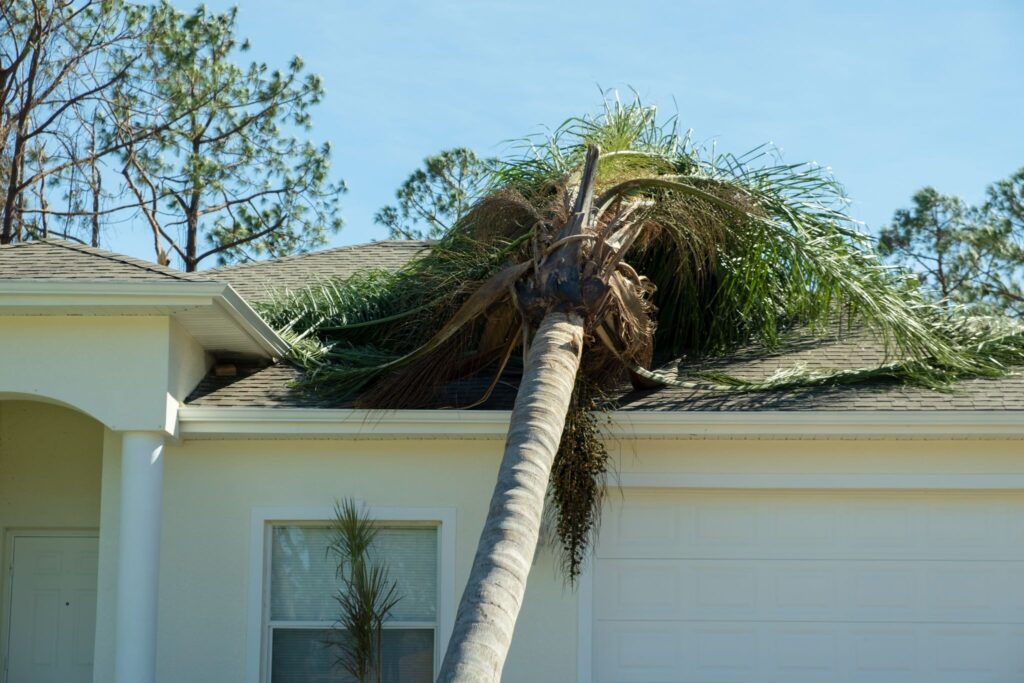
When a tree or large branch hits a home, the damage can affect more than the roof. It can open the structure to rain, break windows, damage walls, compromise exterior materials, and allow water to move into areas that were never meant to get wet.
Fallen trees and storm debris can damage:
- Roofing systems
- Exterior walls
- Windows
- Garages
- Patios
- Block walls
- Gutters and drainage systems
- Interior ceilings and walls
- Flooring and contents
Once the structure is opened by impact damage, rain can enter quickly. Even if the visible impact point looks contained, water may travel through attic spaces, wall cavities, insulation, and ceiling materials.
National First Response can help with debris removal, emergency stabilization, water mitigation, cleanup, structural drying, damage documentation, repairs, and reconstruction.
Monsoon Flooding Can Bring Water Into the Home Fast
Arizona storms can drop a lot of rain in a short amount of time. When drainage systems are overwhelmed, water can collect around the home and push into garages, doors, low entry points, and foundation-adjacent areas.
Inside a home or business, monsoon flooding can affect:
- Garages
- Flooring
- Baseboards
- Drywall
- Insulation
- Cabinets
- Contents
- Electrical areas
- Low structural areas
Even a few inches of water can cause significant damage. Carpet, padding, laminate, wood flooring, drywall, baseboards, and cabinets can all hold moisture. If those materials are not dried correctly, the damage can continue after the water is gone.
Fast extraction and drying can reduce demolition, limit secondary damage, and help prevent mold and odor issues.
Not All Monsoon Water Is Clean
One of the biggest mistakes property owners make after monsoon flooding is assuming the water is clean because it came from rain.
Stormwater can pick up soil, landscaping materials, bacteria, sewage, chemicals, debris, and outdoor contaminants before it enters a home or business. Once contaminated water gets inside, cleanup becomes more than a drying issue.
Monsoon water damage may involve:
Category 2 water: Water that may contain contaminants from soil, landscaping, appliances, or exterior surfaces.
Category 3 water: Highly contaminated water, including sewage or severe floodwater, that requires immediate professional cleanup, removal, and sanitation.
When stormwater enters the structure, affected materials may need to be removed, cleaned, sanitized, dried, and reconstructed. This is especially important when water reaches porous materials like carpet, insulation, drywall, and wood.
Mold Risk Increases After Monsoon Water Damage
Arizona is dry, but mold can still grow indoors when water gets trapped inside a home.
After a monsoon storm, mold risk increases when moisture remains behind walls, under flooring, above ceilings, inside insulation, or around baseboards. A room can look dry on the surface while moisture remains inside the structure.
Mold risk is higher when:
- Water sits for too long
- Drywall or insulation stays wet
- Stormwater enters from outside
- Flooring traps moisture underneath
- Ceiling leaks are painted over
- Cabinets or baseboards absorb water
- Humidity rises inside the affected area
Professional structural drying helps reduce the risk of secondary mold damage. If mold is already present, National First Response can handle mold remediation as part of the restoration process.
Monsoon Damage Often Requires Reconstruction
Storm damage cleanup is only the first part of the process.
After water extraction, drying, debris removal, and mitigation, many homes need repair or reconstruction. This is where National First Response is different from a company that only handles cleanup.
Monsoon damage reconstruction may include:
- Drywall repair and replacement
- Ceiling repair
- Insulation replacement
- Flooring repair
- Baseboard and trim replacement
- Cabinet repair
- Window and exterior damage repair
- Structural repairs
- Interior repairs after roof leak water damage
- Rebuild work after storm or tree impact damage
This matters because homeowners should not have to coordinate one company for extraction, another for demolition, another for drying, and another for reconstruction.
What to Do After Monsoon Damage
If your home or business is damaged during a monsoon storm, the first steps matter.
Start with safety. Avoid rooms with sagging ceilings, standing water near electrical outlets, broken glass, fallen branches, or visible structural damage. If water is actively entering the home, move valuables away from the affected area only if it is safe.
Then document the damage. Take photos and videos of water intrusion, ceiling stains, flooding, fallen trees, damaged walls, wet flooring, and affected belongings.
After storm or flood damage, FloodSmart recommends documenting damage before cleanup, saving repair receipts, and keeping small samples of damaged materials for the adjuster.
Do not paint over stains, tear out materials before documentation, or assume the structure is dry because the surface looks dry. Insurance claims often rely on clear evidence, and restoration decisions should be based on moisture readings, not guesswork.
The next step is calling a restoration company that can respond quickly, stabilize the property, extract water, dry the structure, and begin the repair process.
Call National First Response for Monsoon Damage Restoration in Mesa, Phoenix, Tucson, and Across Arizona
Monsoon season can be hit or miss, but storm damage needs a fast response when it happens.
If heavy rain, high winds, flooding, roof leaks, fallen trees, or storm debris damage your home or business, National First Response is ready to help. Our team provides emergency water extraction, structural drying, debris removal, mold remediation, storm damage cleanup, reconstruction, and insurance documentation across Arizona.
Call National First Response for 24/7 monsoon damage restoration in Mesa, Phoenix, Tucson, Scottsdale, Chandler, Gilbert, and surrounding areas.
Editorial Writer - Victoria Yancer
Verum Digital Marketing
Reviewed by - Kevin Cavanaugh
National First Response