480-566-9440
Biohazard Mitigation: What It Is, When It’s Needed, and How the Process Works
Key Takeaways
- Biohazard mitigation involves the safe removal and decontamination of hazardous biological and chemical materials
- Cleanup must follow strict safety standards from OSHA, EPA, and CDC
- It requires specialized equipment, protective gear, and certified technicians
- Biohazard mitigation is often covered by insurance, depending on the cause of loss
- Professional mitigation prevents cross-contamination, health risks, and long-term exposure
Biohazard mitigation is the controlled removal, cleanup, and decontamination of materials that pose serious biological or chemical health risks. Unlike standard cleaning, hazmat mitigation is required in environments where blood, bodily fluids, harmful pathogens, chemical residue, or toxic contaminants are present.
In communities across Mesa, Phoenix and the surrounding areas, these situations often happen without warning and can be connected to medical emergencies, crime scenes, accidents, sewage backups, or unattended deaths. Biohazard mitigation is not cosmetic. It is a health-driven, regulation-controlled process designed to make a space truly safe again.
What Is Considered a Biohazard?
A biohazard is any biological or chemical substance that can cause illness, infection, or physical harm. This includes:
- Blood and bodily fluids
- Human or animal waste
- Decomposition residue
- Chemical spills
- Medical waste
- Sewage contamination
- Infectious disease exposure
- Mold and fungal contamination under certain conditions
These materials cannot be safely handled with normal cleaning methods. Improper handling creates exposure risks that can affect both immediate occupants and future residents.
Common Situations That Require Biohazard Mitigation
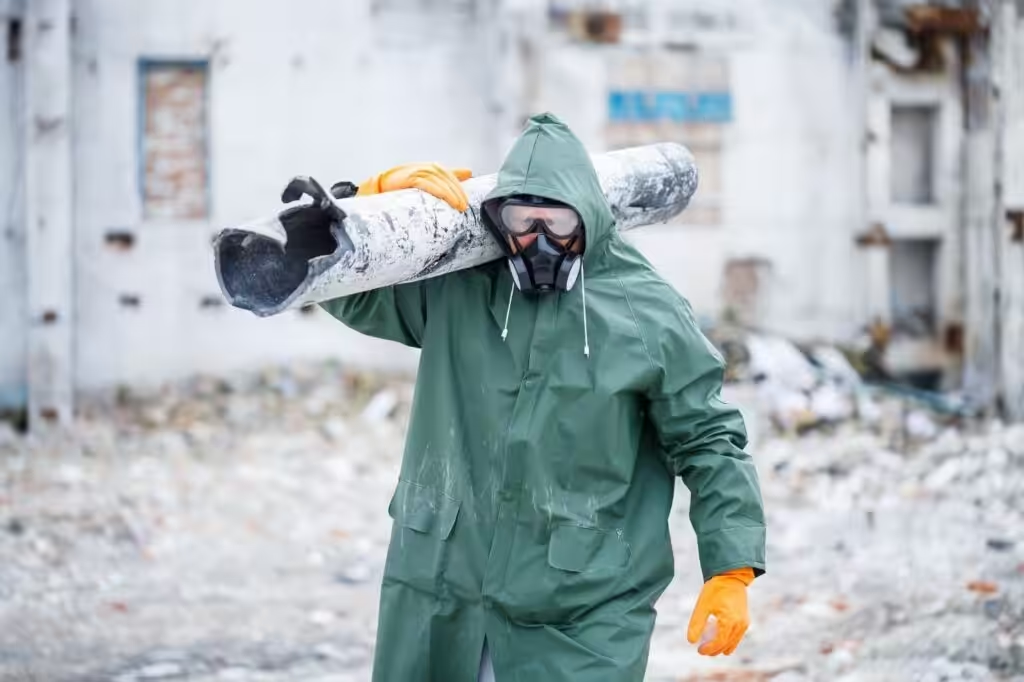
Professional hazmat mitigation is commonly required after:
- Trauma scenes and unattended deaths
- Suicide or homicide incidents
- Crime scenes
- Hoarding environments
- Sewage backups
- Chemical spills
- Virus or infectious disease contamination
- Animal infestations or waste accumulation
- Industrial or workplace exposure incidents
Homes, businesses, vehicles, and public spaces throughout Mesa and nearby Valley communities can all be affected by these conditions. Every situation requires precise containment and controlled decontamination to prevent secondary exposure.
The Process
A controlled, step-by-step procedure to ensure safety, proper disposal, and full decontamination is required.
1. Assessment and Hazard Identification
Technicians evaluate the affected area to identify biohazard type, contamination spread, and exposure risk.
2. Controlled Containment Setup
The space is sealed to prevent cross-contamination between affected and unaffected areas.
3. Removal of Contaminated Materials
Porous and non-salvageable materials such as flooring, furniture, drywall, or clothing are removed and secured for regulated disposal.
4. Deep Cleaning and Decontamination
Specialized disinfectants and equipment are used to neutralize harmful pathogens at the microscopic level.
5. Regulated Waste Disposal
All hazardous waste is transported and disposed of according to local, state, and federal regulations.
6. Sanitization and Odor Neutralization
Surfaces and air are treated to remove lingering contamination, bacteria, and odor.
7. Structural Sealing and Restoration Preparation
Affected surfaces are sealed when necessary to prevent future contamination before repairs begin.
This process is designed to eliminate biological threats and restore safe living conditions, not just improve appearance.
How Insurance Typically Applies
Hazmat mitigation is often covered by insurance when it is connected to a covered loss, including:
- Fire and smoke damage
- Water or sewage loss
- Crime scenes and vandalism
- Deaths inside a residence
- Certain workplace incidents
When coverage applies, insurance typically includes:
- Hazard removal
- Decontamination
- Regulated disposal
- Structural sanitation
- Odor remediation
Coverage varies by policy and cause of loss, so proper documentation is essential. In the East Valley and surrounding areas, biohazard claims often move faster when damage is professionally documented from the beginning.
Handle With Precision
Biohazard environments pose both physical danger and emotional strain. Proper mitigation protects current occupants, future residents, employees, and visitors from:
- Bloodborne pathogens
- Airborne contamination
- Structural material absorption
- Long-term exposure risks
The goal is not only to remove visible contamination, but to ensure the space is measurably safe to occupy again.
Get Immediate Help
Biohazard situations should never be delayed. If you need professional hazmat mitigation in Mesa or the surrounding areas, contact National First Response now for immediate, compliant cleanup and full insurance coordination.