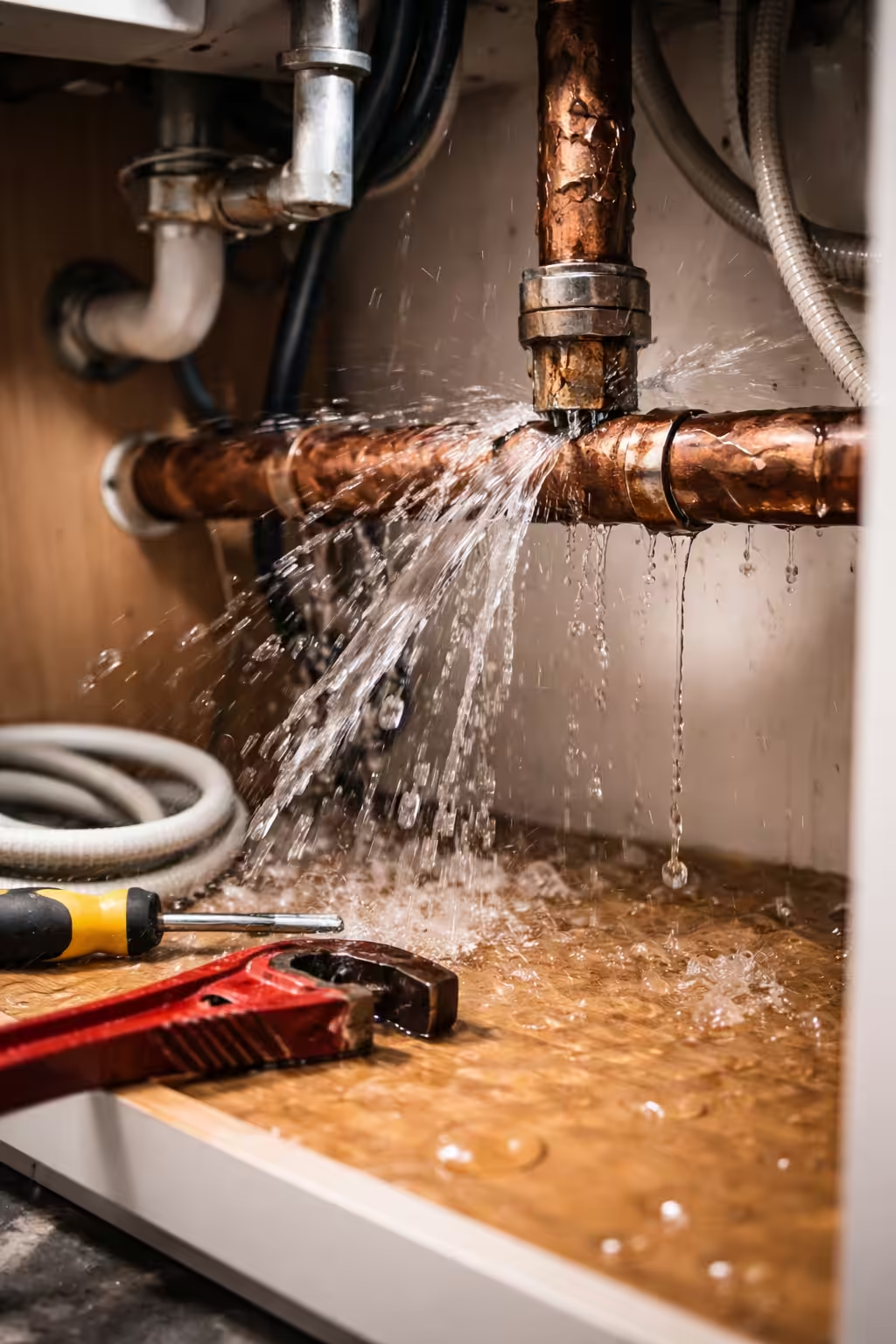
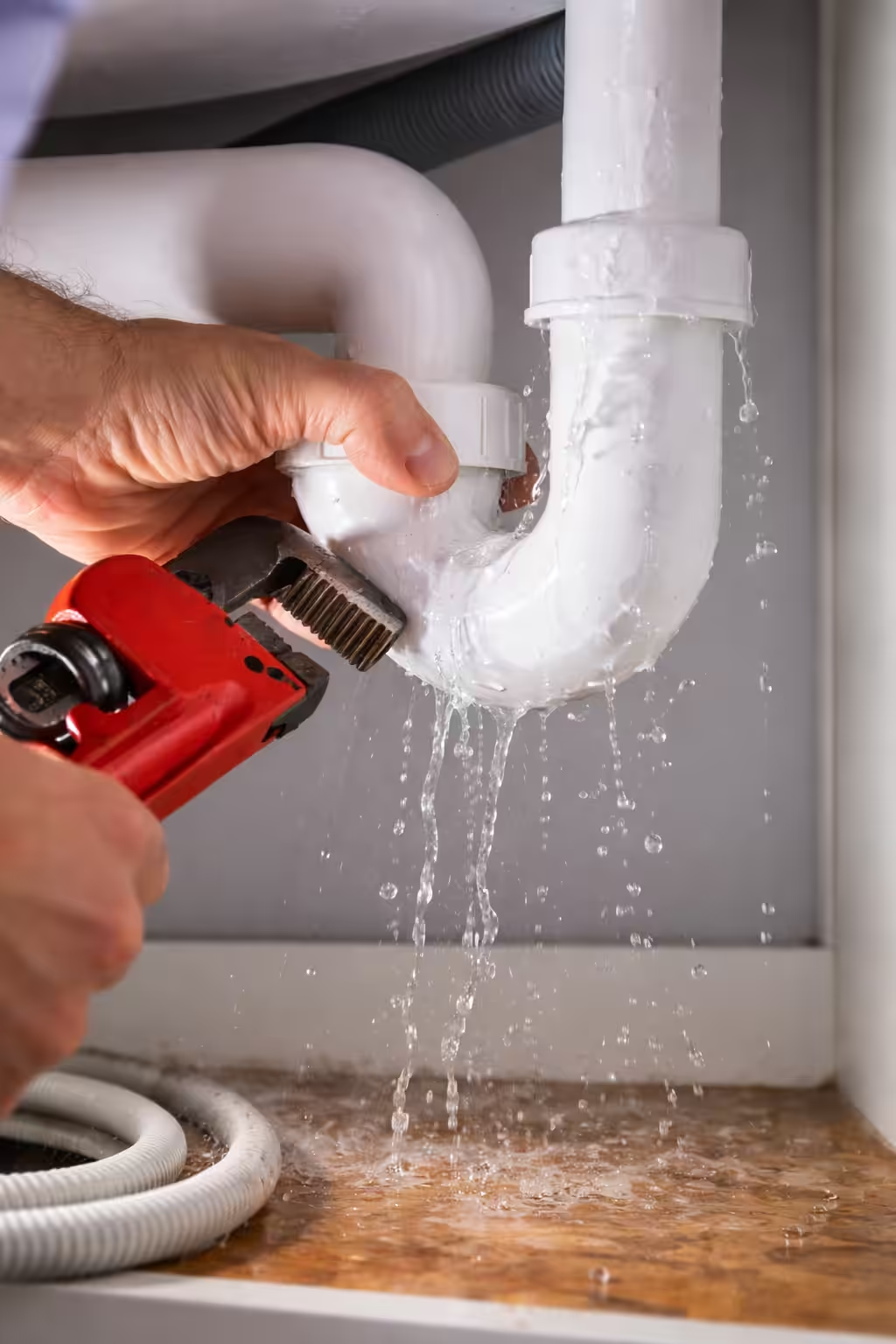
A small plumbing leak can look harmless at first. Maybe it is a slow drip under the sink, a loose connection behind a wall, or a minor pipe leak you think can wait until the weekend. The problem is that water does not stay in one place. It spreads into surrounding materials, seeps into hidden spaces, and keeps causing damage long after the visible leak seems minor.
That is why small leaks turn into expensive repairs. What starts as a plumbing issue can quickly become a water damage restoration job involving drywall, flooring, cabinets, insulation, and even structural materials. The longer it goes unchecked, the more your property has to absorb.
Why a Small Leak Gets Expensive So Fast
A leak does not need to burst to cause serious damage. Even slow, steady moisture can soak into porous materials and move into areas you cannot see. Once that happens, the issue is no longer just the pipe or fitting that failed. Now you are dealing with what the water touched, how far it spread, and what it takes to dry the property correctly.
That is where many property owners get caught off guard. They think fixing the plumbing solves the problem, but the real damage is often behind the wall, under the flooring, or inside the cabinet base. By the time staining, swelling, or soft spots appear, the leak has usually been active longer than expected.
What Can a Plumbing Leak Damage?
A plumbing leak can affect far more than the immediate area around the source. Water follows gravity, seeps into seams and joints, and gets trapped in places that stay wet longer than the surface.
Commonly affected materials include:
- Drywall
- Insulation
- Baseboards and trim
- Cabinets
- Wood flooring and subfloor
- Ceiling materials below the leak
- Framing around the affected area
When National First Response responds to a leak-related loss, the focus is not only on repairing the plumbing problem. It is also on identifying how far the water traveled and what needs to happen next to keep the damage from spreading.
How Water Damage Typically Escalates
Here is what usually happens when a plumbing leak is ignored:
Timeframe | What Is Happening | What You May Notice |
First few hours | Water begins soaking nearby materials | Dampness, minor puddling, musty smell |
1 to 2 days | Moisture spreads into hidden areas | Bubbling paint, cabinet swelling, soft drywall |
2 to 3 days | Materials stay wet and conditions worsen | Stronger odor, warped flooring, visible staining |
Several days or longer | Damage expands and mold risk increases | Structural weakening, larger repairs, deeper restoration needs |
This is why early action matters so much. The sooner the leak is addressed, the better the chance of limiting both plumbing and restoration costs.
Hidden Moisture Is the Real Problem
The most expensive part of a small leak is usually not the visible water. It is the moisture you cannot see.
Water can settle behind walls, under flooring, around cabinet bases, and into insulation without obvious signs right away. A surface may look mostly dry while the materials underneath remain saturated. That trapped moisture keeps the damage moving and can continue weakening the property long after the leak itself has slowed down or stopped.
This is where professional moisture detection becomes important. National First Response handles situations like this by identifying what is wet beneath the surface, not just what is obvious from the room itself. That is often the difference between a controlled repair and a much larger restoration later.
Mold Risk Starts Earlier Than Most People Think
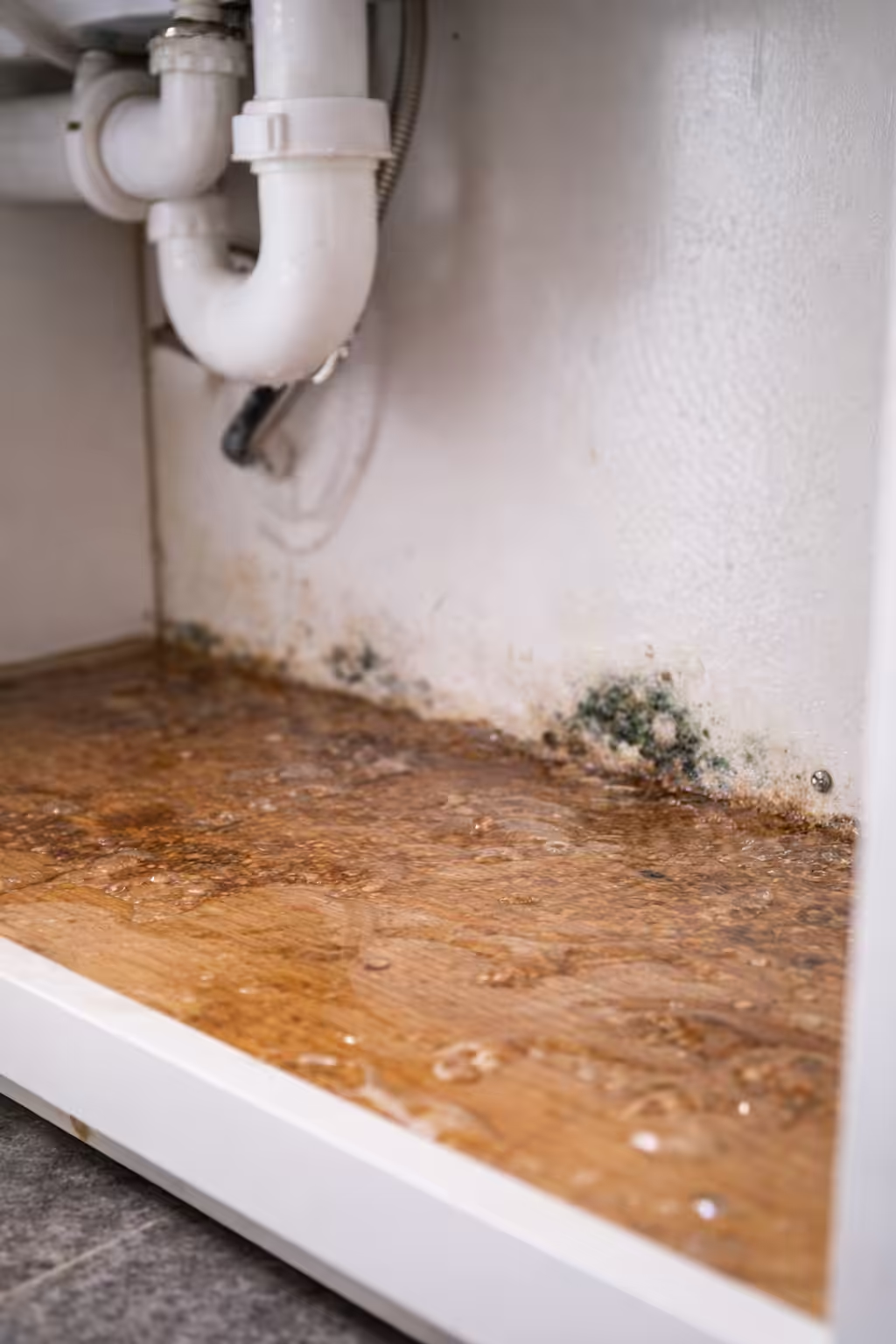
A slow plumbing leak creates ideal conditions for mold because it feeds moisture into enclosed, poorly ventilated spaces. Wet drywall, wood, and insulation can all support microbial growth when the area is not dried quickly and correctly.
You may not see mold right away, but the risk starts building fast when materials remain wet. The longer the leak goes unresolved, the more likely it becomes that the project moves beyond a basic plumbing repair into cleanup, removal, and restoration work.
That is one reason leak response should happen early. Stopping the water matters, but drying the affected area properly matters just as much.
Signs a Small Leak Is Already Causing Bigger Damage
Some leaks stay hidden until the property starts showing stress. If you notice any of the following, the issue may already be more than a simple repair:
- Water stains on walls or ceilings
- Bubbling or peeling paint
- Warped flooring
- Soft drywall
- Swollen cabinet bottoms
- A musty odor
- An unexplained increase in your water bill
Each of these signs points to the same issue: moisture has been present long enough to affect surrounding materials.
Plumbing Repair Alone May Not Solve the Full Problem
A lot of property owners assume that once the leak is repaired, the issue is over. In reality, the plumbing fix and the water damage response are often two separate needs.
The pipe may be repaired in one visit, but if water has already soaked into the structure, the property still needs:
- Moisture inspection
- Water extraction if pooling is present
- Structural drying
- Evaluation of damaged materials
- Documentation for insurance when applicable
That is why National First Response is positioned differently in these situations. We handle emergency plumbing and water damage restoration together, so the property is not left with hidden moisture after the leak itself is repaired.
What Happens When a Plumbing Leak Is Left Too Long?
When a leak continues unchecked, the scope of work often becomes much larger than expected. Instead of a minor repair, you may be dealing with damaged drywall, flooring replacement, cabinet removal, mold-related concerns, and reconstruction.
That means more cost, more disruption, and more time before the property is back to normal. It also means the insurance process can become more involved because the damage spread farther than it needed to.
The earlier the response, the more options there usually are to save materials and control the loss.
Stop a Small Leak Before It Becomes a Bigger Restoration
A small plumbing leak can quietly create major property damage when it is ignored. The problem is not only the water you see. It is the water that keeps moving into materials, weakens the structure, and creates a much larger cleanup later.
CallNational First Response now for plumbing repair, moisture detection, structural drying, water damage cleanup, and insurance-ready documentation. We handle the leak, the damage it caused, and the work needed to keep your property from getting worse.
Dealing with damage right now?
Get certified help onsite within the hour.
Call National First Response 24/7: we stop the damage, document everything, and bill your insurance directly.