
480-566-9440
Washing Machine Leak Water Damage: What to Do Immediately and When to Call a Professional
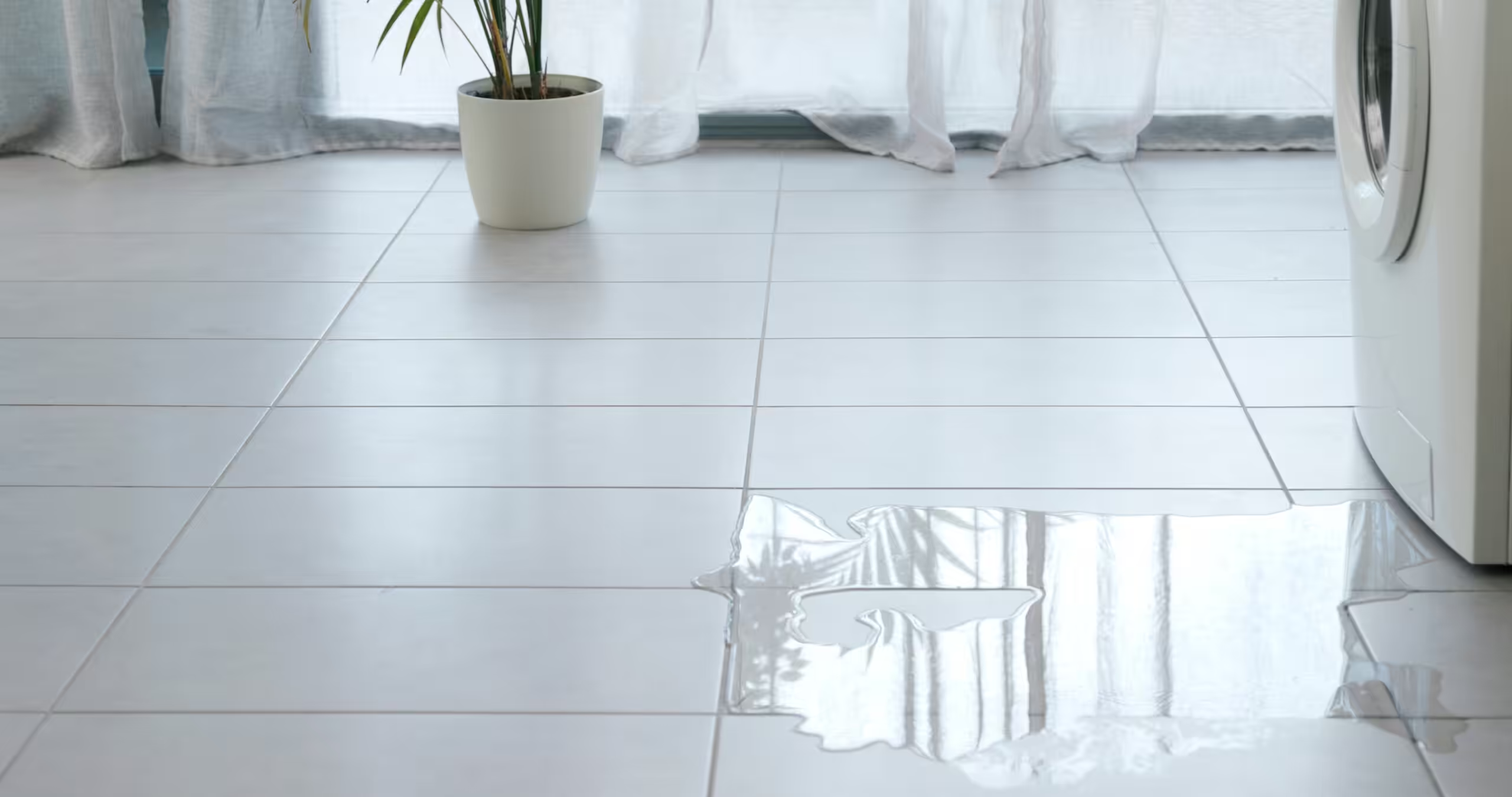
A washing machine leak can release several gallons of water in minutes. When that water spreads across the flooring, under the baseboards, and into nearby rooms, damage can escalate quickly.
Laundry rooms are often located near kitchens, hallways, or inside closets, which means a small appliance leak can become a larger restoration problem before it is noticed.
Knowing what to do in the first few minutes after discovering a washing machine leak can significantly reduce structural damage, prevent mold growth, and help protect your home.
If water has already spread beyond the laundry area, professional water damage restoration may be necessary to fully dry the structure and prevent long term problems.
What To Do Immediately If Your Washing Machine Leaks
When you notice water around your washer, taking quick action is important.
1. Shut Off the Water Supply
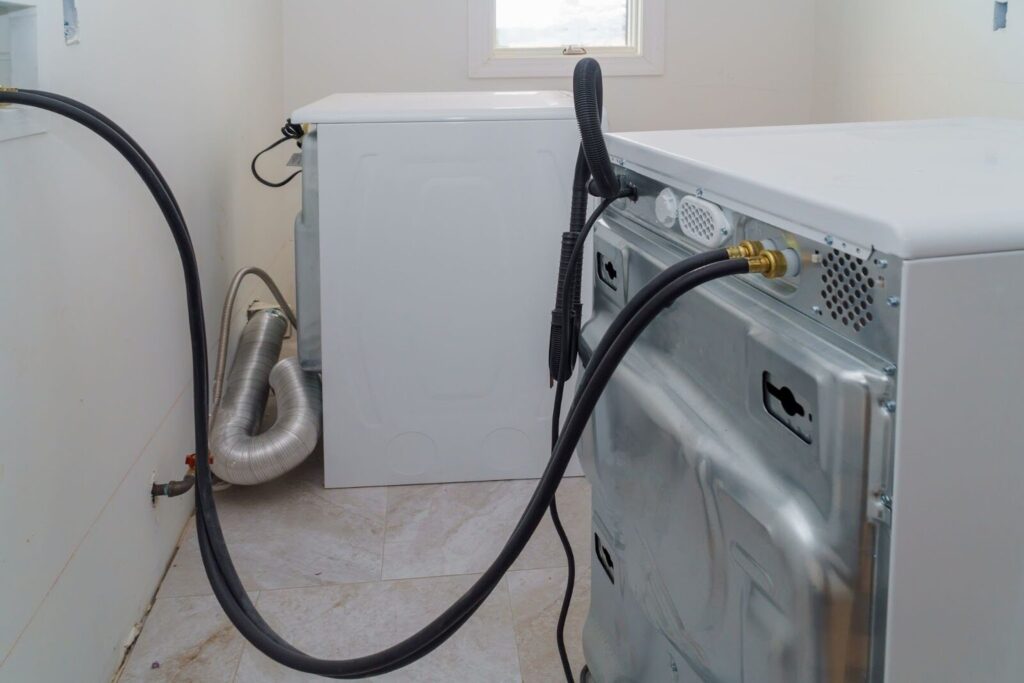
Locate the hot and cold water valves behind the washer and turn them off. If the leak is severe or you cannot reach the valves, shut off the home’s main water supply.
2. Turn Off Power if Needed
If water is near outlets or electrical connections, turn off power to the laundry area at the breaker panel before touching anything.
3. Stop the Wash Cycle
Pause or cancel the washing machine cycle to prevent additional water from entering the system.
4. Remove Standing Water
Use towels, a mop, or a wet vacuum to remove water from the floor. The faster standing water is removed, the less likely it will soak into subflooring or drywall.
5. Move Nearby Items
Remove rugs, laundry baskets, and other items that may absorb moisture.
If the leak is caused by a broken valve, supply line, or drainage issue, the source of the problem may need to be repaired before cleanup begins. In these cases, professional plumbing services may be needed to repair or replace the damaged component.
If water has already spread beyond the immediate area, professional water damage extraction may be necessary to remove moisture trapped beneath flooring and behind walls.
How Washing Machine Leaks Cause Water Damage
A washing machine can release water faster than many homeowners realize. Modern washers may use 20 to 30 gallons per cycle, and if a hose fails or a drain line backs up, that water can spill onto the floor rapidly.
Water can quickly travel into:
- Hardwood flooring
- Subflooring
- Drywall and baseboards
- Cabinets and nearby walls
- Adjacent rooms
Even after visible water is removed, moisture may remain trapped in structural materials. Without proper drying, this can lead to swelling, warping, and potential mold growth.
Professional water damage restoration companies use moisture meters, air movers, and industrial dehumidifiers to dry areas that cannot be reached with household equipment.
The Most Common Causes of Washing Machine Leaks
Understanding why a washer leaks can help prevent future problems.
Damaged Supply Hoses
Rubber hoses can crack, split, or loosen over time. These hoses are one of the most common sources of washing machine leaks.
Loose Water Connections
The fittings that connect supply hoses to the washer or wall valve can loosen, allowing water to drip or spray out.
Clogged or Improper Drain Hose
If the drain hose becomes blocked or kinked, water may back up and overflow during the drain cycle.
Excess Detergent or Sudsing
Using too much detergent can create excess suds, which may push water out of the washer during operation.
Worn Door Seal
Front loading washers rely on a rubber gasket around the door. If that seal becomes damaged or dirty, water may leak during the wash cycle.
Machine Vibration
If a washer is not level, vibration during spinning can cause water to splash out or loosen hose connections.
Signs Water Damage Has Spread Beyond the Laundry Room
After a washing machine leak, damage is not always obvious immediately.
Watch for signs such as:
- Buckling or warped flooring
- Soft or swollen baseboards
- Discoloration on walls or ceilings
- Musty odors
- Loose tile or lifting vinyl flooring
These symptoms may indicate that moisture has reached structural materials.
At that point, professional drying may be necessary to fully restore the area.
When to Call a Water Damage Restoration Company
Some small washer leaks can be handled with basic cleanup, but restoration professionals should be contacted if:
- Water spread to multiple rooms
- Flooring feels soft or warped
- Water reached cabinets or drywall
- Standing water remained for more than an hour
- A large volume of water leaked from a hose or overflow
A professional restoration team can perform:
- Emergency water extraction
- Moisture detection and mapping
- Structural drying with air movers and dehumidifiers
- Monitoring to ensure materials dry properly
Learn more about professional water damage restoration services here:
How to Prevent Washing Machine Leaks
Regular maintenance can reduce the risk of future leaks.
Consider these preventative steps:
- Replace rubber hoses with braided steel hoses
- Inspect supply lines annually
- Avoid overloading the washing machine
- Use the correct detergent type and amount
- Install a washing machine drip pan
- Consider a water leak detection system
Many homeowners also install automatic shutoff valves that stop water flow if a leak is detected.
Need Help After a Washing Machine Leak?
If a washing machine leak caused water damage in your home, acting quickly can help prevent structural damage, flooring issues, and mold growth.
Standing water and hidden moisture inside walls or flooring often require professional equipment to remove completely. Industrial extraction tools, air movers, and dehumidifiers help ensure the structure dries properly.
National First Response provides fast, professional water damage restoration services across Arizona. Their team responds quickly to remove water, dry affected materials, and help restore your home safely.
If your laundry room leak spreads beyond the immediate area, contact National First Response for professional water damage restoration.