
480-566-9440
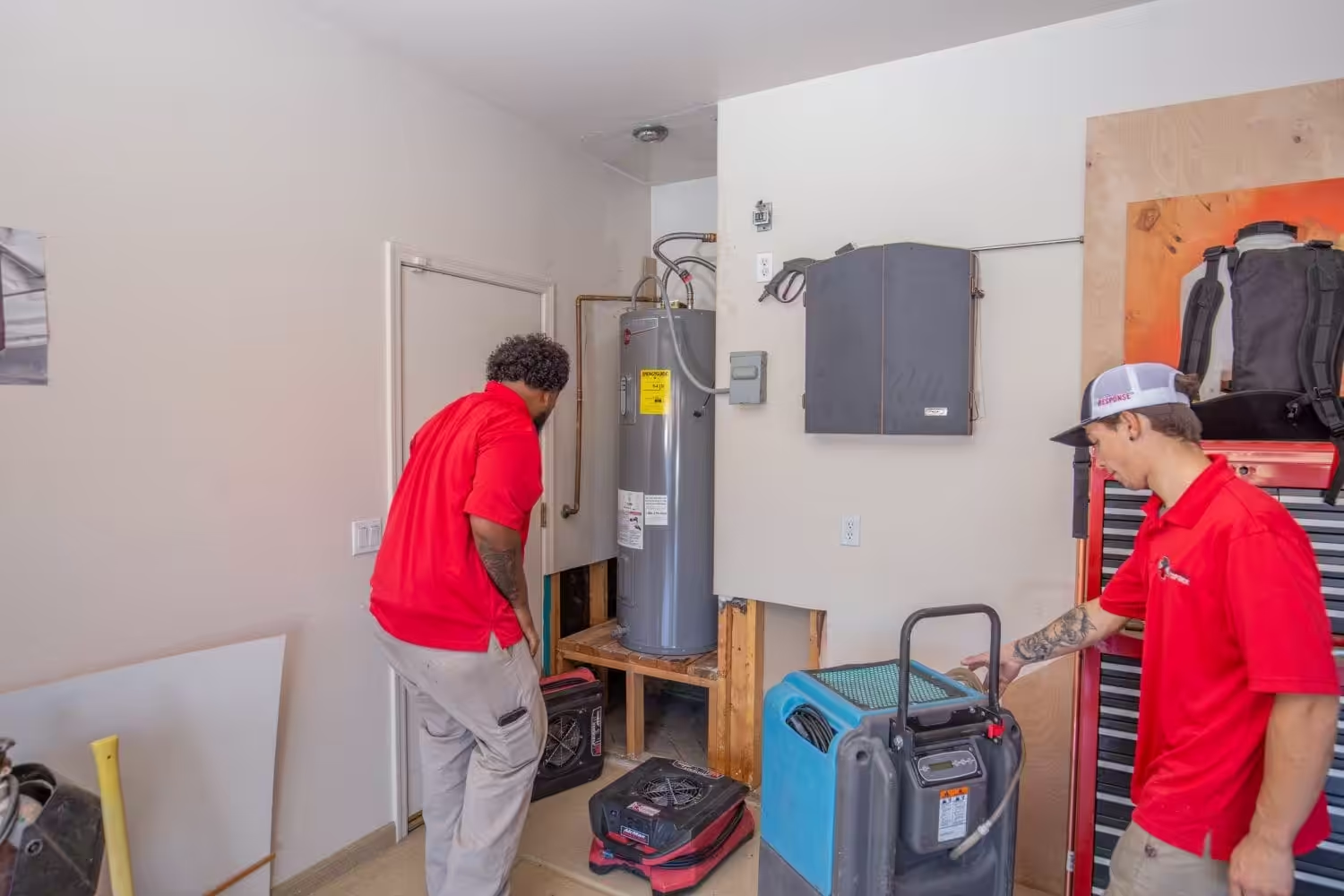
What to Do After Water Damage in the First 24 Hours
Water damage moves fast. What starts as a leak under a sink, a burst pipe, a slab leak, or a failed water heater can spread into flooring, drywall, cabinetry, and structural materials before the full damage is visible. The first 24 hours matter most.
If water has entered your home, this checklist walks you through what to do right away, what to avoid, and when it is time to call for professional help.
Step 1: Make the Area Safe
Before anything else, make sure the area is safe to enter.
If water is near electrical outlets, appliances, or the breaker panel, do not step into the affected area until power is shut off safely. Wet flooring can also become slippery, and saturated ceilings or drywall may no longer be stable.
If the source involves sewage, contaminated water, or anything you cannot identify, stay out of the area and avoid direct contact.
Step 2: Stop the Water Source
The next priority is stopping the water from continuing to spread.
That may mean shutting off the local supply line, turning off the home’s main water valve, or stopping the appliance or plumbing fixture that failed. In Arizona homes, some of the most common causes include burst pipes, slab leaks, water heater failures, washing machine line leaks, toilet overflows, and plumbing connections inside walls.
The faster the source is controlled, the better chance you have of limiting the overall damage.
Need help stopping the damage fast?
If the source is still active or the water is spreading, contact National First Response for emergency water extraction, dry-out, and plumbing-related water damage support in Phoenix.
Step 3: Document the Damage Right Away
Before cleanup starts, document everything.
Take clear photos and videos of:
- standing water
- wet flooring and baseboards
- damaged drywall
- stained ceilings
- affected cabinets
- damaged furniture or belongings
- the plumbing source, if visible
Try to document the damage while it still looks fresh. This can help support the insurance process and create a clearer record of how far the water spread.
Step 4: Remove What You Can From the Affected Area
Once the area is safe and the source is stopped, start protecting what can still be saved.
Move rugs, loose furniture, boxes, electronics, and other belongings away from the wet area. If furniture cannot be moved, place foil, blocks, or barriers under the legs to help reduce transfer into the material below.
The goal is to reduce secondary damage while the area is being evaluated and dried.
Step 5: Start Drying Visible Water Immediately
Standing water should be removed as quickly as possible.
Mop, blot, or use towels for small amounts of water if it is safe to do so. Open cabinets and interior doors to improve airflow. If the water loss is minor and uncontaminated, fans may help start the drying process.
But visible water is only part of the problem. Water often moves beneath flooring, into wall cavities, behind baseboards, under cabinets, and into materials that do not look heavily damaged at first glance.
That is where many homeowners lose time.
Step 6: Know What Type of Water You Are Dealing With
Not all water damage is the same.
Clean Water
Clean water usually comes from supply lines, broken pipes, or water heater failures. It starts as the least contaminated category, but it should still be addressed quickly before it sits too long.
Gray Water
Gray water may come from appliances, drains, or fixtures with some level of contamination. It can carry bacteria or residue and should be treated more carefully.
Black Water
Black water includes sewage, toilet backup, and heavily contaminated floodwater. This type of water should never be handled without the right protective measures and professional cleanup.
If there is any doubt about the source, it is safer to assume the water is not clean.
Step 7: Check for Hidden Moisture
One of the biggest mistakes after water damage is assuming the problem is gone once the visible water is removed.
Hidden moisture can stay trapped:
- behind drywall
- under flooring
- inside cabinets
- behind baseboards
- beneath insulation
- inside framing and structural materials
This is where swelling, staining, odors, and mold risk can continue to develop even after the surface looks dry.
If the water sat for any amount of time, spread across multiple materials, or came from a hidden leak, the affected area may need professional moisture detection and structural drying.
Think the damage may be bigger than it looks?
National First Response uses professional moisture detection, structural drying, and targeted water damage restoration to find hidden moisture and stop the problem before it leads to bigger repairs.
Step 8: Watch for Signs the Damage Is Bigger Than It Looks
Some water losses look minor at first, then grow into larger repairs because moisture was missed.
Watch for signs like:
- cupping or buckling floors
- bubbling paint or drywall texture
- soft drywall
- swelling cabinets or baseboards
- musty odor
- stained ceilings
- recurring dampness
- areas that stay cool or wet longer than expected
These are often signs that water has moved farther than the surface suggests.
Common Causes of Water Damage in Arizona Homes
Water damage in Arizona is often tied to plumbing-related failures more than large-scale weather events. Common causes include:
- burst or leaking pipes
- slab leaks
- water heater failures
- washing machine and dishwasher line leaks
- overflowing toilets
- clogged drains and backups
- roof leaks during storms
- failed plumbing connections behind walls
Many of these losses start small, then spread quietly before the full scope is noticed.
How Fast Water Damage Gets Worse
Water damage does not wait.
In the First Few Hours
Water begins soaking into porous materials like drywall, flooring, wood, and insulation.
Within the First 24 Hours
Baseboards, cabinets, drywall, and flooring may begin swelling, staining, or separating. Hidden moisture starts moving deeper into the structure.
Within 24 to 48 Hours
Odors may begin to develop, materials can start breaking down, and conditions become more favorable for microbial growth.
After Several Days
Damage becomes more invasive, more expensive, and more disruptive to repair. What could have been a targeted dry-out may become demolition, material replacement, and a longer restoration process.
That is why immediate action matters.
When Professional Drying Is the Right Move
Some minor, surface-level spills can be handled without major intervention. But many residential water losses need more than towels and fans.
Professional drying is often the right move when:
- water affected drywall, cabinets, or flooring
- the source was hidden
- water spread across multiple rooms
- there is a slab leak or plumbing failure
- the area stayed wet for several hours
- you smell mustiness
- materials are swelling or staining
- the water source was contaminated
Professional water damage restoration is about more than removing visible water. It is about locating hidden moisture, drying structural materials correctly, helping prevent avoidable tear-out, and stopping a manageable loss from turning into a much larger repair.
What Not to Do After Water Damage
A few common mistakes can make the problem worse:
- do not ignore small signs of moisture
- do not assume the area is dry because the surface looks dry
- do not use household vacuums on standing water
- do not enter contaminated water without protection
- do not wait several days to address hidden moisture
- do not throw away damaged materials before documenting them
Quick action and the right next step make a real difference.
Need Emergency Water Damage Help in Phoenix?
If you are dealing with water damage in Phoenix or the surrounding area, speed matters. Stopping the source, extracting the water, and drying the structure early can help protect flooring, walls, cabinetry, and other materials before the damage spreads further.
National First Response provides water damage restoration, emergency plumbing service, and rapid response support for any water emergencies across the Greater Phoenix area.
If the damage is active, widespread, or starting to move beyond the surface, get help before hidden moisture turns into a larger repair.