
480-566-9440
Water Damaged Hardwood Floor Repair: What to Know Before Replacing Floors
Key Takeaways
- Hardwood floors can often be repaired after water damage if moisture is addressed quickly
- The longer water sits, the higher the risk of warping, mold, and subfloor damage
- Proper drying and moisture testing determine whether repair or replacement is needed
- Surface fixes alone do not resolve hidden moisture beneath hardwood flooring
- Coordinated water damage restoration improves repair success and long-term results
Water damage does not always mean your hardwood floors need to be replaced. In many cases, water damaged hardwood floor repair is possible when the situation is handled quickly and correctly. The challenge is knowing when repair makes sense, when replacement is unavoidable, and how water damage restoration impacts the outcome.
This guide explains how water affects hardwood floors, what repair options exist, and why professional restoration plays a critical role in protecting your home.
How Water Damage Affects Hardwood Floors
Hardwood flooring is highly sensitive to moisture. When water penetrates the surface, boards can expand, swell, and distort. Even small leaks can cause significant damage if moisture becomes trapped beneath the flooring.
Common sources of hardwood floor water damage include:
- Plumbing leaks or pipe failures
- Appliance malfunctions
- Toilet or sink overflows
- Roof leaks
- Flooding or storm-related water intrusion
Damage may continue developing long after visible water is gone.
Signs of Water Damaged Hardwood Floors
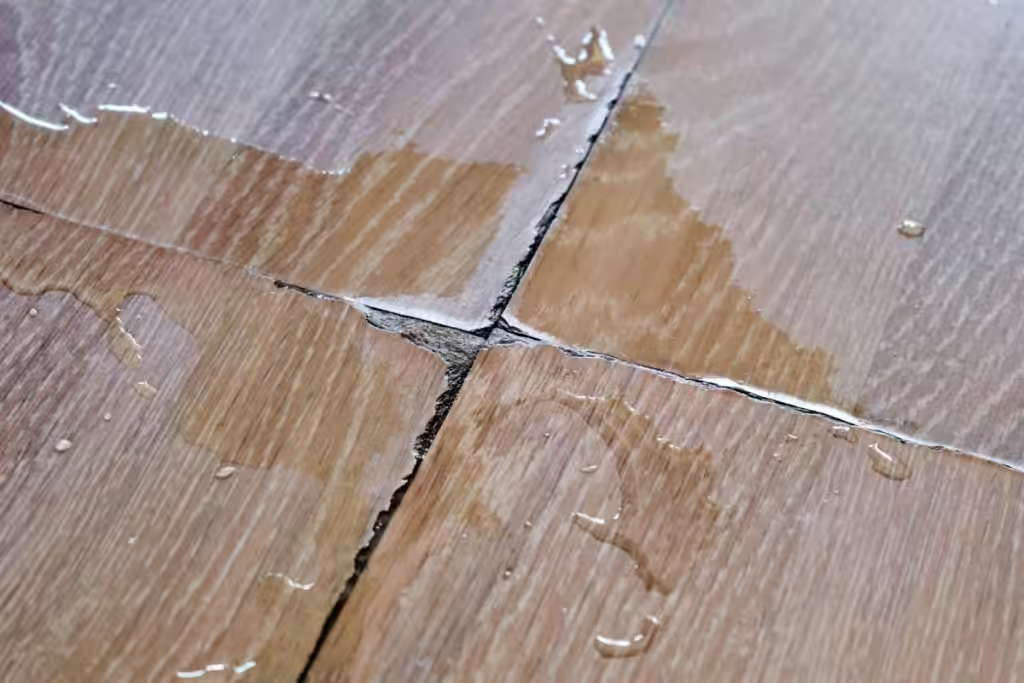
Early detection increases the likelihood of repair.
Watch for:
- Cupping or crowning of boards
- Buckling or lifting from the subfloor
- Dark stains or discoloration
- Soft or uneven areas
- Gaps forming between planks
- Musty odors indicating trapped moisture
Even subtle changes can signal deeper moisture issues.
Water Damaged Hardwood Floor Repair Feasibility
In many cases, water damage repair is possible. The deciding factors include how long the water was present, how much moisture the wood absorbed, and whether the subfloor was affected. The success of water damaged hardwood floor repair depends on how long water was present, how deeply moisture penetrated the wood, and whether the subfloor was affected.
When Repair Is Often Possible
- Water exposure was brief
- Moisture levels can be stabilized through professional drying
- Boards show mild cupping without structural failure
- No mold growth is present
Repairs may involve drying, sanding, refinishing, or replacing select boards.
When Replacement Is the Safer Option
- Floors are severely buckled or warped
- Water remained for an extended period
- Mold growth is detected
- Subfloor materials are compromised
In these situations, replacement protects the home from future damage.
How to Repair Water Damaged Hardwood Floors the Right Way
Repairing water damaged hardwood floors requires more than surface-level fixes. Moisture often penetrates beneath the boards, affecting the subfloor and surrounding materials. Effective water damaged hardwood floor repair requires addressing hidden moisture beneath the surface, not just repairing visible damage.
A proper repair process includes:
- Identifying and stopping the source of water
- Extracting standing water and drying affected areas
- Measuring moisture levels in hardwood and subfloor materials
- Assessing whether boards can be salvaged
- Completing repairs or replacement based on verified conditions
Skipping professional drying or moisture testing often leads to repeat damage.
Why Water Damage Restoration Is Essential for Hardwood Floors
Hardwood floor water damage repair is directly tied to water damage restoration. Moisture often spreads beneath flooring into padding, subfloors, and structural materials.
Professional restoration ensures:
- Hidden moisture is fully removed
- Drying is completed evenly and safely
- Mold risk is reduced
- Repairs hold up over time
Treating hardwood damage without addressing underlying moisture rarely produces lasting results.
Why Coordination Matters During Hardwood Floor Water Damage
Water damaged hardwood floor repair requires more than flooring expertise alone. Stabilizing the water source, drying the structure, and repairing floors must work together.
When these steps are coordinated, damage is controlled faster and repair decisions are based on accurate conditions. When they are fragmented, moisture issues are often missed and repairs fail prematurely.
A structured, restoration-first approach protects both the flooring and the structure beneath it.
What to Do If Your Hardwood Floors Have Water Damage
If your hardwood floors have been exposed to water, timing matters. The sooner moisture is addressed, the more options remain available. Acting quickly improves the success of water damaged hardwood floor repair and helps homeowners avoid full floor replacement.
National First Response provides emergency response, water damage restoration, and coordinated hardwood floor repair or replacement when needed. This allows property owners to move through the process with clarity, proper documentation, and confidence that repairs are built to last.