
480-566-9440
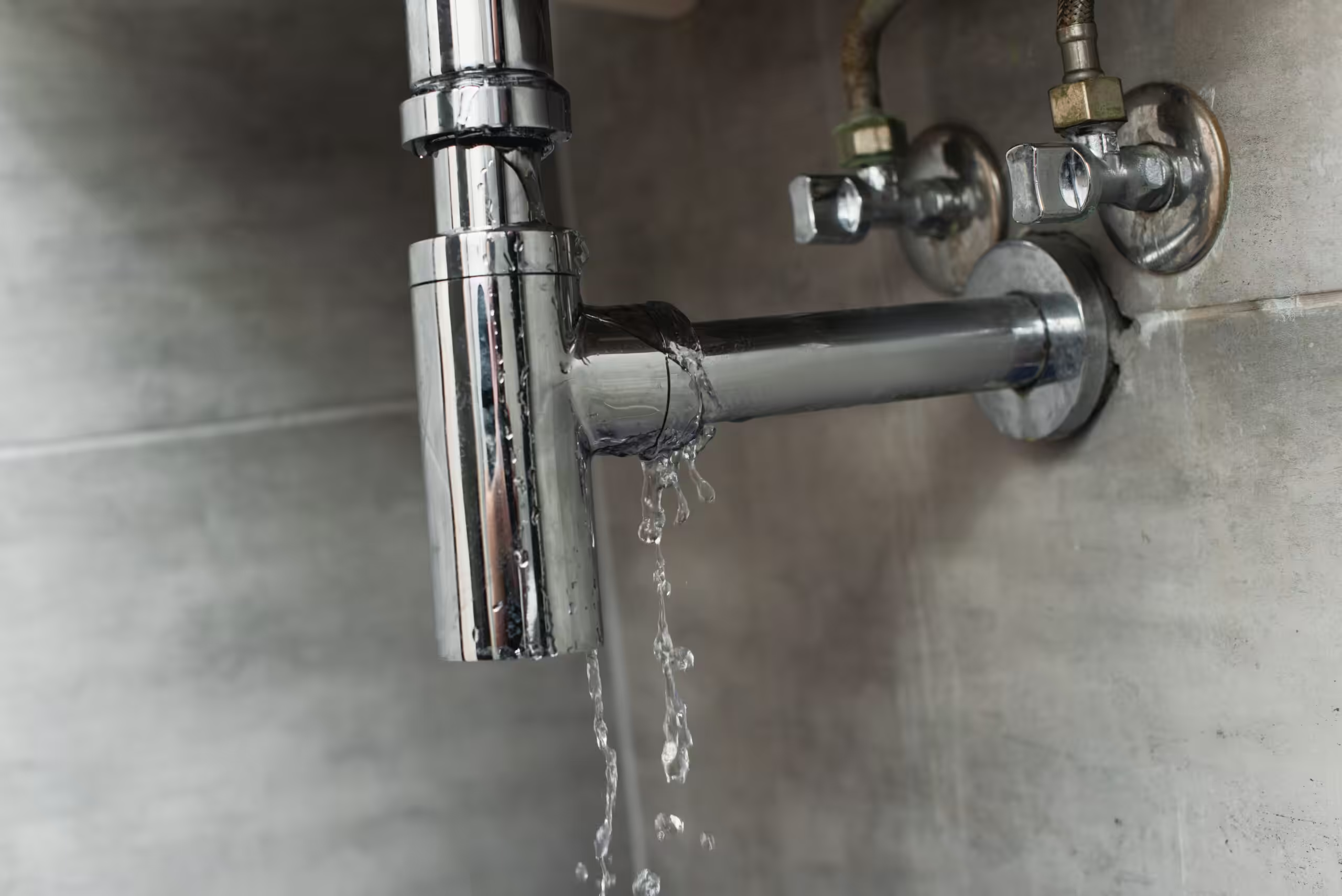
Water Mitigation vs Remediation: What’s the Difference and Why It Matters
When water damage affects your home or business, the response needs to happen fast. In those first conversations, you will likely hear two terms used right away: water mitigation and water remediation. They are closely connected, but they are not the same thing. Knowing water mitigation vs remediation early in the response process helps property owners reduce damage, control costs, and avoid delays with insurance claims.
Understanding the difference between water mitigation vs remediation helps property owners make better decisions, avoid delays, and protect both the structure and the insurance claim. At National First Response, we handle both phases in a coordinated process so nothing is missed.
What Is Water Mitigation?
In the discussion of water mitigation vs remediation, mitigation is always the first and most time-sensitive step. Water mitigation is the immediate response to water damage. Its purpose is to stop the water source and limit how far damage spreads throughout the property.
This phase begins as soon as technicians arrive onsite and focuses on stabilization rather than permanent repairs.
Our mitigation process typically includes:
- Rapid response to stop the source of water and prevent spread
- Coordination with emergency plumbing when active leaks or failures are present
- Professional water extraction using commercial-grade equipment
- Targeted moisture control to protect structural materials
- Clear documentation of conditions and actions taken for insurance purposes
Mitigation is time sensitive. The faster it begins, the more damage can be prevented and the easier the recovery process becomes.
What Is Water Remediation?
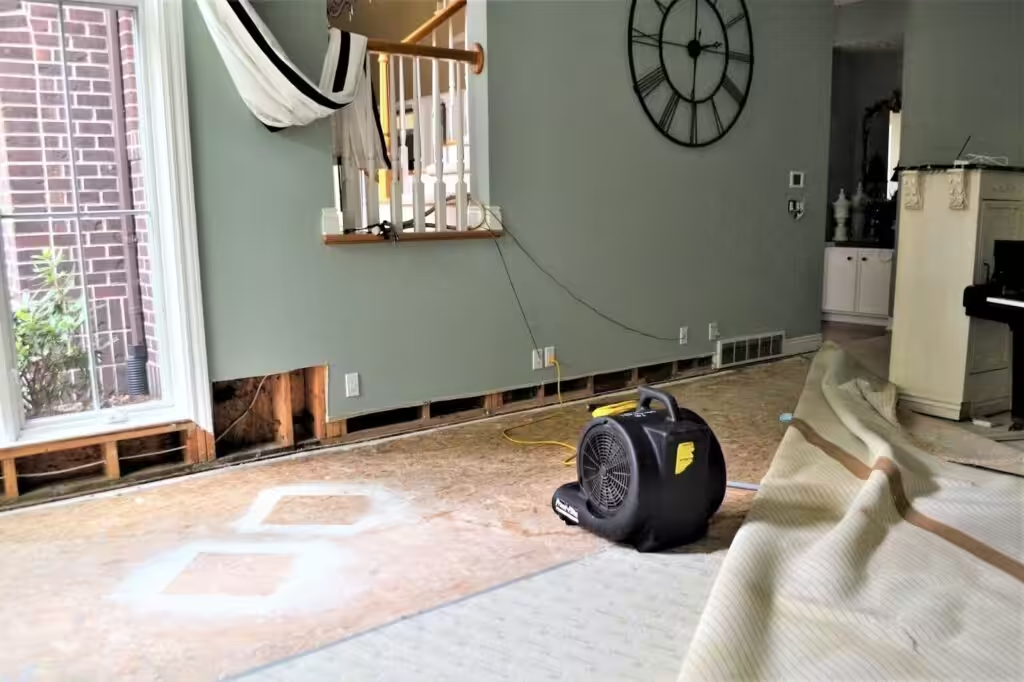
Water remediation follows mitigation and focuses on correcting the damage caused by water exposure. This phase ensures that moisture is fully addressed and the property is restored to a safe condition.
While mitigation stops the problem from getting worse, remediation fixes what has already been impacted. When comparing water mitigation vs remediation, remediation focuses on fully correcting the damage left behind after the emergency phase.
Water Remediation Services
- Structural drying of walls, floors, and framing
- Moisture monitoring to ensure proper drying
- Mold prevention and treatment when needed
- Removal of materials that cannot be salvaged
- Cleaning, sanitizing, and deodorizing affected areas
- Preparing the space for reconstruction or repairs
Water Mitigation vs Remediation: Key Differences
Breaking down water mitigation vs remediation side by side helps clarify how each phase protects the property in different ways.
| Category | Water Mitigation | Water Remediation |
| When it happens | Immediately after damage | After mitigation is complete |
| Primary goal | Stop water and prevent spread | Repair and restore |
| Focus | Emergency response and stabilization | Drying, cleaning, and recovery |
| Risk if skipped | Escalating damage | Long-term moisture and mold issues |
Why the Difference Matters for Property Owners
Knowing the difference between water mitigation vs remediation helps you avoid common mistakes during a stressful situation.
- Insurance claims often require documentation of both phases
- Delayed mitigation increases repair costs and damage scope
- Incomplete remediation can leave hidden moisture behind
- One coordinated team reduces delays and confusion
National First Response manages the entire process so property owners are not left coordinating multiple vendors.
Where Emergency Plumbing Fits In
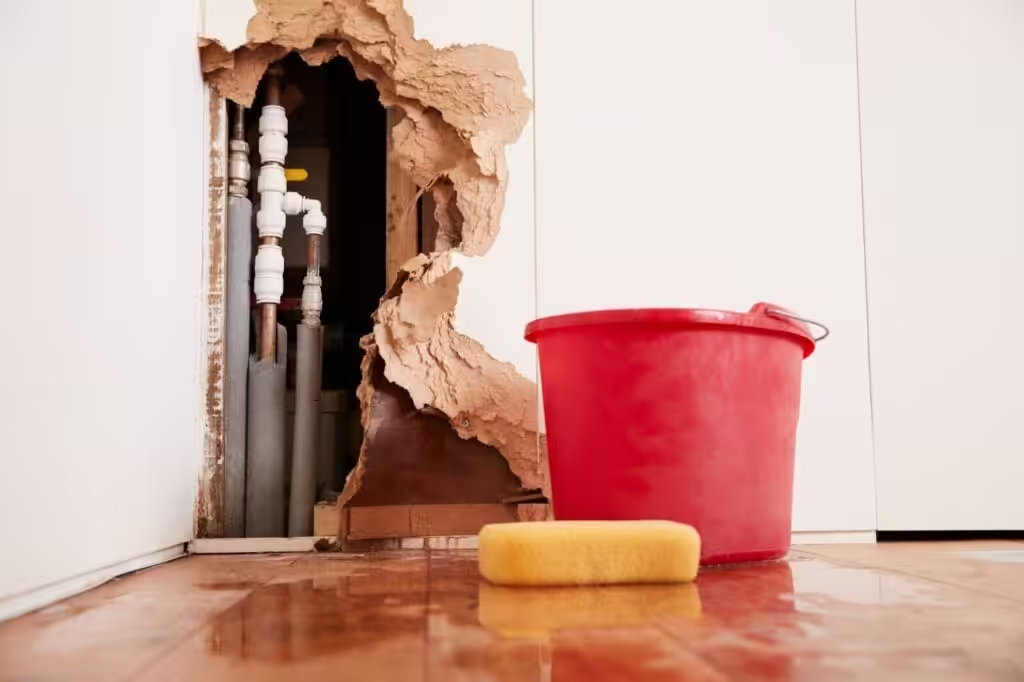
Many water damage situations begin with a plumbing failure. Burst pipes, supply line leaks, overflowing fixtures, and water heater issues all require immediate plumbing intervention before mitigation can be effective.
Emergency plumbing stops the water source. Mitigation controls the damage. Remediation restores the property. In many water loss situations, emergency plumbing plays a critical role in how water mitigation vs remediation are performed successfully.
By coordinating emergency plumbing services with water mitigation and remediation, National First Response helps prevent unnecessary delays and secondary damage.
Why Professional Water Damage Restoration Is Critical
Surface cleanup alone does not address moisture trapped behind walls, under flooring, or inside structural materials. Without professional drying and monitoring, these hidden areas can lead to mold and long-term damage.
NFR’s water damage restoration ensures:
- Moisture levels are accurately measured and documented
- Drying equipment is correctly placed and monitored
- Insurance documentation supports claim approval
- The property is restored safely and thoroughly
Water damage is not just visible damage. It requires technical expertise and proper sequencing.
Choosing the Right Water Damage Response Partner
Handling water mitigation and remediation correctly requires speed, experience, and coordination. When both phases are managed together, recovery is faster and more predictable.
National First Response provides emergency response, water mitigation, remediation, and coordinated plumbing support under one team. This approach protects your property, simplifies the insurance process, and helps you move forward with confidence.