
480-566-9440
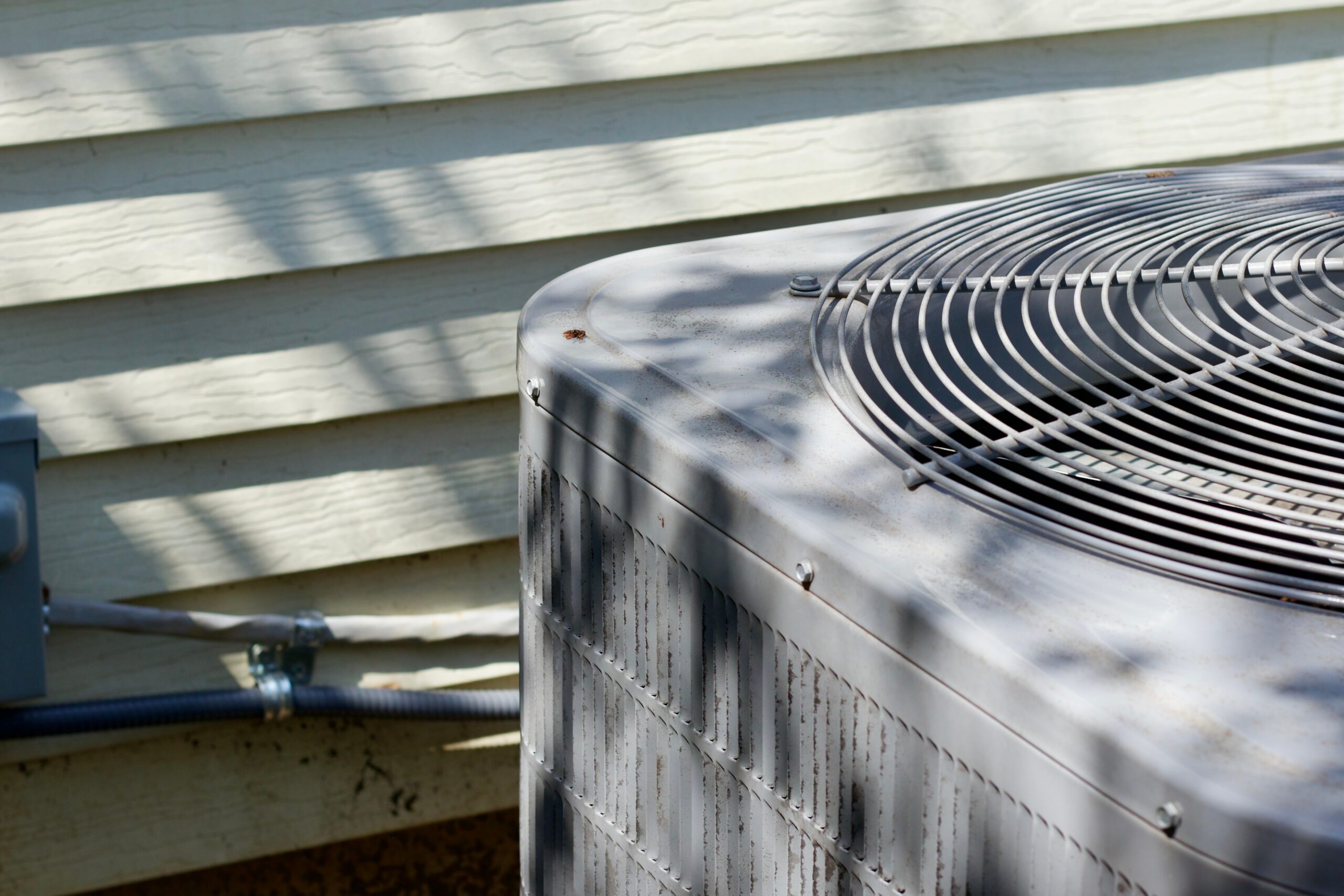
Can an AC Leak Cause Water Damage in Your Home?
Yes. An AC leak can cause water damage when moisture moves beyond the unit and reaches the materials around it, especially ceilings, drywall, insulation, flooring, cabinets, baseboards, or wall cavities.
Some AC leaks are caught early and only require HVAC service. Others go unnoticed until water stains appear on the ceiling, paint starts bubbling, flooring feels soft, or a musty smell develops near the unit.
The most important question is not only, “Why is my AC leaking?” It is also, “Where did the water go?”
Once water leaves the AC system and reaches the structure of the home, the problem becomes more than an air conditioning issue. The affected materials may need to be inspected, dried, removed, repaired, or rebuilt before the damage spreads.
Why AC Units Leak Water
Your air conditioner naturally removes moisture from the air as it cools your home. That moisture is supposed to drain away from the system through a condensate drain line.
When that drainage process is blocked or interrupted, water can back up, overflow, or leak into the surrounding area.
Clogged Condensate Drain Line
A clogged condensate drain line is one of the most common reasons an AC unit leaks water.
Dust, dirt, algae, and buildup can block the line that carries water away from the unit. When the line backs up, water may overflow near the air handler, drain pan, ceiling, wall, or floor.
This may start as a small leak, but if the unit keeps running, the water can continue spreading into nearby materials.
Damaged or Rusted Drain Pan
The drain pan is meant to collect condensation and move it toward the drain line.
If the pan is cracked, rusted, shifted, or overflowing, water can leak directly into the surrounding area. This becomes especially serious when the AC unit is located in an attic, closet, hallway, or above finished living space.
A damaged pan can allow water to reach ceiling drywall, insulation, flooring, trim, and nearby walls before the problem is obvious.
Frozen Evaporator Coils
Frozen coils can create water damage when the ice melts.
Coils may freeze because of restricted airflow, a dirty filter, low refrigerant, or another system issue. When the ice thaws, the amount of water released can overwhelm the drain pan and leak into the home.
The mechanical cause needs to be handled by an HVAC professional, but the water that reaches the home still needs to be addressed separately.
Improper Installation or Drainage Issues
If the unit is not level, the drain line is disconnected, or the drainage system was not installed correctly, water may not drain where it should.
These problems can cause repeated leaking. Even if each leak seems small, ongoing moisture can damage drywall, flooring, cabinets, baseboards, and insulation over time.
Why an AC Leak Should Not Be Treated Like a Small Spill
A small puddle around the unit may seem manageable at first. The problem is that AC leaks often travel into materials that hold moisture.
Drywall absorbs water. Insulation can stay wet above a ceiling. Baseboards can swell. Cabinets can wick moisture from the floor. Flooring can trap water underneath the surface.
By the time the damage is visible, the leak may have already spread farther than expected.
That is why towels and fans are not always enough. They may remove surface moisture, but they do not show whether the drywall, insulation, subfloor, or wall cavity is still wet.
The longer moisture stays trapped, the more likely the home is to develop staining, odors, material breakdown, and mold concerns.
Signs Your AC Leak Has Reached the Home
AC leak damage is not always obvious right away. In many cases, the signs show up slowly after water has already moved into finished materials.
You may notice:
- Ceiling stains or sagging drywall
- Bubbling paint or peeling texture
- Swollen baseboards or trim
- Soft, warped, or lifting flooring
- Musty odors near the unit or affected room
- Water marks around cabinets, walls, or ceilings
- Damp carpet or padding
- Wet insulation near an attic unit
- Repeated moisture in the same area
A ceiling stain is especially important. The stain is usually the visible low point, not necessarily the full area of damage. Water may be sitting above the drywall, inside insulation, or moving down through the wall cavity.
If the affected area feels soft, smells musty, keeps growing, or has been wet for more than a short period of time, it is worth having the area inspected before repairs begin.
What to Do When You Notice an AC Leak
If your AC is actively leaking, the first priority is to prevent more water from spreading and keep the area safe.
Turn off the unit if it is safe to do so. Avoid electrical areas, outlets, switches, and exposed wiring near the leak. If water is dripping from the ceiling or the drywall is sagging, avoid standing under the affected area.
An HVAC technician may be needed to stop the mechanical issue causing the leak. That may mean clearing a clogged drain line, repairing a damaged pan, addressing frozen coils, or correcting a drainage problem.
But stopping the AC leak is only one part of the situation.
If water reached the ceiling, walls, flooring, insulation, cabinets, or trim, the home may still need professional water damage restoration. That is where a restoration team can determine how far the water traveled and what needs to be dried, removed, repaired, or reconstructed.
What AC Leak Water Damage Can Affect
Once water escapes the AC system, it can damage more than the area immediately around the unit.
Ceilings and Drywall
If the AC unit is in the attic or above a finished room, water may first appear as a ceiling stain. Over time, the drywall can soften, sag, crack, or begin dripping.
Insulation
Wet insulation can hold moisture above ceilings or inside walls. If it stays wet, it can lose effectiveness and contribute to odor or mold concerns.
Flooring and Subflooring
Water near a closet unit, hallway unit, or utility space can migrate under the flooring. Laminate, wood, carpet, padding, and subfloor materials can all hold moisture.
Cabinets, Trim, and Baseboards
Cabinets and baseboards can absorb water from the floor or wall. Swelling, separation, staining, or soft spots may show up after the leak has been active for some time.
Electrical Areas
Water near outlets, switches, wiring, lighting, or HVAC electrical components should be treated carefully. If there is any concern about electrical exposure, avoid the area until it is evaluated.
Why Professional Drying Matters After an AC Leak
The goal after an AC leak is not just to make the area look dry. The goal is to confirm the affected materials are actually dry.

A professional restoration process may include moisture readings, water extraction if standing water is present, air movement, dehumidification, controlled removal of damaged materials, and documentation of the drying process.
That matters because repairs should not be completed over wet materials. Painting over a ceiling stain, replacing trim, patching drywall, or installing new flooring before drying is complete can trap the problem inside the structure.
When moisture is handled correctly from the beginning, it can help reduce demolition, limit mold risk, and prevent the same area from becoming a larger repair later.
Can an AC Leak Cause Mold?
Yes, an AC leak can lead to mold if moisture remains trapped long enough.
Mold risk increases when drywall, insulation, flooring, cabinets, or wall cavities stay wet. It is especially concerning if the leak happened while you were away, the area smells musty, the leak has happened before, or the damage was hidden above a ceiling or behind a wall.
Since moisture control is key to mold control, hidden HVAC leaks should be addressed before damp materials have time to create a larger problem.
Not every AC leak automatically turns into a mold problem. The difference usually comes down to how quickly the leak is stopped, how far the water traveled, and whether the affected materials were dried correctly.
If there is already a musty smell, visible growth, or repeated moisture in the same area, the home may need mold remediation in addition to drying and repair.
Does Homeowners Insurance Cover AC Leak Water Damage?
Coverage depends on the cause of the leak, the type of damage, how sudden the issue was, and the terms of the policy.
A sudden, accidental leak may be handled differently from a long-term maintenance issue or a repeated leak that was not addressed. Because every policy is different, the safest approach is to document the damage carefully and contact your insurance company when the loss is significant.
This is another reason to involve a restoration company early. Moisture readings, photos, material documentation, drying records, and repair estimates can help create a clearer record of what happened and what was affected.
When an AC Leak Becomes a Restoration Problem
An AC leak becomes a restoration problem when water moves beyond the unit and affects the home itself.
That includes water in the ceiling, wet drywall, soaked insulation, warped flooring, swollen baseboards, cabinet damage, musty odors, or any situation where you are not sure how far the moisture traveled.
At that point, the issue is no longer just about fixing the air conditioner. The home needs to be dried, cleaned, repaired, and restored correctly.
National First Response can inspect the affected areas, identify hidden moisture, extract standing water, dry the structure, remove damaged materials when needed, handle mold concerns, document the damage, and complete repairs or reconstruction.
If an AC leak damaged your ceiling, walls, flooring, insulation, cabinets, or trim, call National First Response for water damage restoration in Mesa, Phoenix, Scottsdale, Chandler, Gilbert, Tucson, and surrounding communities.
Editorial Writer - Victoria Yancer
Verum Digital Marketing
Reviewed by - Kevin Cavanaugh
National First Response