
480-566-9440
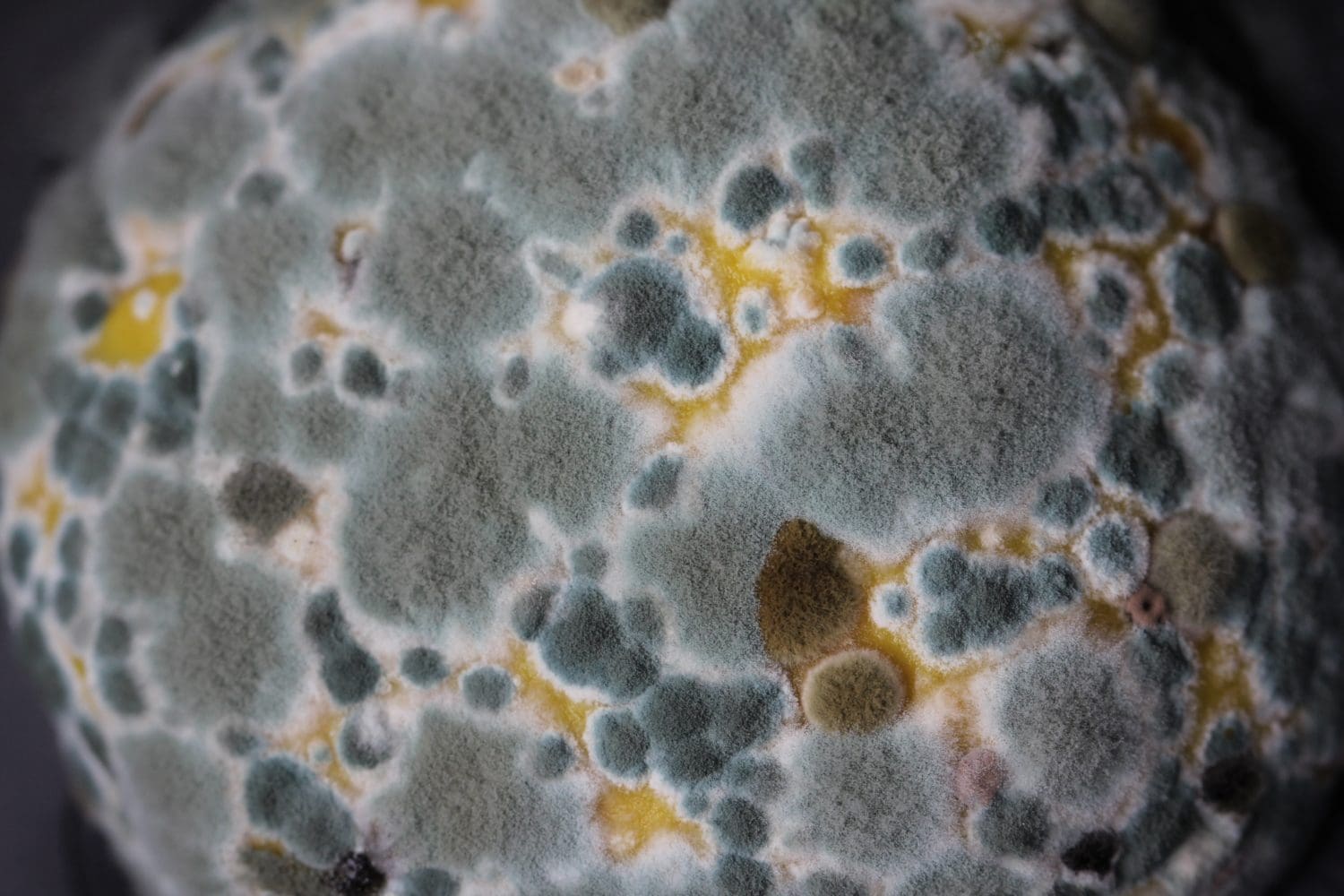
What Causes Mold and How to Remove It for Good
Mold does not start randomly. It forms when moisture is left behind long enough for spores to grow on surfaces inside your home or business.
Even in Arizona’s dry climate, mold problems still happen, often following water damage from plumbing leaks, burst water heaters, A/C condensation, or storms. When moisture is not fully removed, mold and bacteria can begin growing in as little as 24 to 48 hours.
Understanding what causes mold is the first step. Removing it correctly and preventing it from coming back, is what actually solves the problem.
What Causes Mold in Homes and Buildings?
Mold needs three things to grow:
- Moisture
- Organic material (drywall, wood, carpet, insulation)
- The right temperature
Since you cannot remove building materials or temperature, moisture control is everything.
The Most Common Causes of Mold
Water Damage and Leaks
Plumbing leaks, roof leaks, and appliance failures are the leading causes of mold.
Water often spreads beyond what you can see, soaking into walls, flooring, and insulation.
This is why acting quickly matters. Here’s what to do in the first hours to prevent mold after water damage before it develops behind surfaces.
High Humidity (Above 60%)
When indoor humidity rises, moisture forms on surfaces like:
- Windows
- Pipes
- Walls
This condensation creates ideal conditions for mold, even without a visible leak.
Poor Ventilation
Bathrooms, kitchens, laundry rooms, and enclosed spaces trap moisture when airflow is limited.
Without ventilation, damp air lingers and surfaces stay wet longer than they should.
A/C Condensation and HVAC Issues
In Arizona homes, air conditioning systems can contribute to mold when condensation builds up and is not properly drained or dried.
Damp Materials That Never Fully Dry
Carpet, drywall, insulation, and wood can hold moisture for days after water exposure.
If they are not dried within 24 to 48 hours, mold growth becomes likely.
Do You Need Mold Testing First?
In most cases, no.
According to the EPA, if you can see visible mold, testing is usually unnecessary. The focus should be on removing it and addressing the moisture source .
However, testing or inspection may be helpful when:
- You smell mold but cannot see it
- You’ve had past water damage
- Mold may be hidden behind walls or appliances
- There are unexplained health symptoms in the home
How to Remove Mold Effectively
Removing mold requires more than surface cleaning. It requires addressing both the mold and the conditions allowing it to grow.
1. Stop the Moisture Source First
Fix leaks, reduce humidity, or stop water intrusion before attempting removal.
If moisture continues, mold will return.
2. Use Proper Safety Protection
Even small mold jobs should be handled carefully.
Use:
- Gloves
- Eye protection
- N95 mask or respirator
This helps reduce exposure to airborne spores.
3. Clean Non-Porous Surfaces
For small areas on hard surfaces:
- Use soap and water
- Or apply undiluted white vinegar
- Let it sit, scrub if needed, and dry completely
Some professional-grade antimicrobial products can also be used.
4. Understand the Limits of Bleach
Bleach is commonly used, but it is not always effective.
- It may remove surface mold
- It does not penetrate porous materials
- It can leave moisture behind
This is why many professionals avoid relying on bleach alone.
5. Remove Porous Materials When Necessary
If mold has spread into materials, they often cannot be saved.
These include:
- Drywall
- Carpet and padding
- Insulation
- Ceiling tiles
Removing and replacing these materials is often the only way to fully eliminate mold.
When Mold Removal Is Not a DIY Job
If mold covers more than 10 square feet, the EPA recommends against handling it yourself .
Professional help is strongly recommended when:
- Mold is widespread
- It keeps coming back
- It is behind walls or under flooring
- It is tied to water damage or flooding
- The moisture source is unknown
Many DIY attempts fail because they clean the surface but never address what caused the mold in the first place.
Why Mold Keeps Coming Back
This is one of the most common frustrations for homeowners.
Mold returns when:
- Moisture was not fully removed
- Hidden areas were never dried
- Airflow and humidity were not controlled
- Materials remained damp
Cleaning alone does not fix mold. In many cases, the issue goes deeper. Understanding what causes mold in homes helps explain why it returns even after cleaning.
How to Prevent Mold From Coming Back
Once mold is removed, prevention becomes the priority.
Keep humidity between 30% and 50%
Use dehumidifiers where needed, especially in enclosed or humid areas.
Improve ventilation
Run exhaust fans and allow airflow in bathrooms, kitchens, and laundry areas.
Fix leaks immediately
Even small leaks can lead to mold if left untreated.
Dry materials quickly
After any water exposure, dry everything within 24 to 48 hours.
Inspect problem areas regularly
Check:
- Under sinks
- Around appliances
- Near windows and exterior walls
- Attics and basements
Over time, this can begin affecting indoor air quality. Learn more about black mold symptoms and health risks if you’re noticing changes in your environment.
The Real Solution: Fix the Cause, Not Just the Mold
Mold is not the root problem. It is the result of moisture that has not been properly handled.
That is why long-term solutions focus on:
- Identifying the moisture source
- Fully drying affected materials
- Preventing moisture from returning
Without these steps, mold will continue to come back.
Why Water Damage Restoration Matters
Most serious mold problems start with water damage that was not fully addressed.
Surface drying is not enough. Moisture can remain trapped:
- Behind walls
- Under flooring
- Inside insulation
- Around plumbing systems
This is where professional water damage restoration becomes critical.
National First Response focuses on identifying hidden moisture, drying structures completely, and preventing mold before it starts or spreads. With 24/7 emergency response and on-site arrival within 60 minutes across the Valley, the goal is to stop damage at its source and protect your property long-term.
If mold keeps returning, your home has experienced a leak or flood, or you suspect moisture you cannot see, call National First Response today for a home inspection and fast water damage restoration support.
Editorial Writer - Victoria Yancer
Verum Digital Marketing
Reviewed by - Kevin Cavanaugh
National First Response