
480-566-9440
Is Black Mold Dangerous? What It Actually Does to Your Health
You’ve heard the term before. Black mold has a reputation as something dangerous, toxic, and often hidden inside homes.
But how much of that is true?
There is a lot of misinformation around black mold, especially about how harmful it is, how it spreads, and what symptoms it can cause. The reality is more balanced. Black mold can affect your health, especially with ongoing exposure, but not every situation is immediately life-threatening.
Understanding what it is, where it grows, and how exposure works helps you stay calm and respond correctly.
Black Mold: What Is It?
Black mold is commonly known by its scientific name, Stachybotrys chartarum.
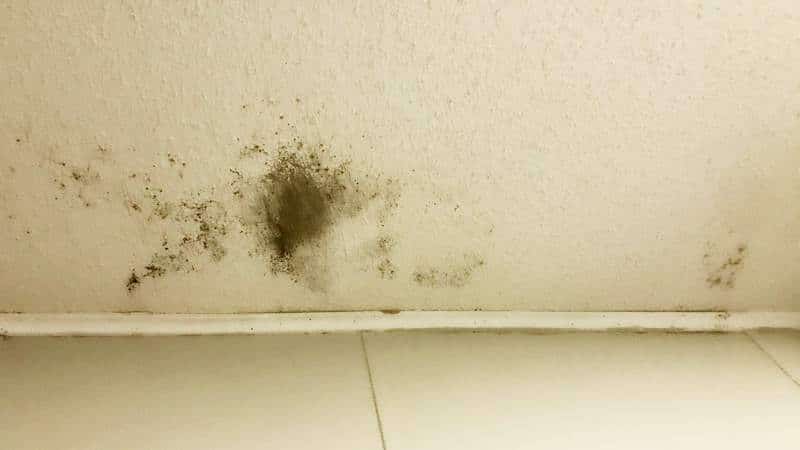
It often appears black, but it can also look greenish or gray depending on the surface and conditions. It grows in areas that are damp, dark, and poorly ventilated.
Black mold is commonly connected to water damage and moisture problems. It feeds on materials often found inside homes and buildings, including:
- Drywall
- Carpet
- Insulation
- Wood
- Subflooring
- Ceiling tiles
Because it thrives in hidden spaces, black mold is not always visible right away. In many cases, the first warning sign is a musty, mildew-like smell. In most cases, mold starts with moisture that has gone unnoticed. Understanding what causes mold in homes can help explain why it appears in the first place.
Can Black Mold Make You Sick?
Yes, black mold can make you sick, especially when it grows indoors, and spores build up in the air.
Mold spreads by releasing microscopic spores. These spores are not visible, which means exposure can happen without you realizing it.
Common symptoms of black mold exposure include:
- Sneezing
- Nasal congestion
- Postnasal drip
- Coughing
- Wheezing
- Shortness of breath
- Chest tightness
- Red, itchy, or watery eyes
- Skin irritation or rashes
- Headaches
- Fatigue
For some people, symptoms feel mild at first. For others, especially people with asthma, allergies, or respiratory conditions, exposure can become more noticeable and harder to ignore.
How Dangerous Is Black Mold Really?
Black mold is not something to panic over, but it should never be ignored.
The level of risk depends on:
- How much mold is present
- How long you have been exposed
- Whether the mold is visible or hidden
- Whether the air is circulating spores through the property
- Your current health and sensitivity to mold
Short-term exposure may cause irritation. Longer exposure, especially in enclosed spaces, can worsen respiratory symptoms, trigger asthma attacks, and affect overall indoor air quality.
The real concern is not only the mold itself. It is the moisture problem allowing it to grow. Learn how to prevent mold after water damage before it spreads further.
What Are Mycotoxins?
Some molds, including Stachybotrys chartarum, can produce compounds known as mycotoxins.
This is one reason black mold has such a serious reputation. However, not every black mold situation involves the same level of toxin exposure, and not every exposure leads to severe illness.
What matters most for homeowners is this:
Indoor mold growth should be addressed quickly, whether or not it is confirmed to be toxic.
If mold is growing inside your home, moisture is present, spores can spread, and the affected materials need to be evaluated.
Is All Black Mold Toxic?
No. Not all black-colored mold is toxic, and not every mold that looks black is Stachybotrys chartarum.
However, that does not make indoor mold safe.
Any mold growing inside a home or building can:
- Affect air quality
- Trigger allergy-like symptoms
- Spread when moisture remains
- Damage building materials
- Return if the source is not fixed
From a property owner’s perspective, the exact mold type matters less than the fact that mold is growing where it should not be.
Can Black Mold Kill You?
In most cases, black mold exposure is not fatal.
That said, black mold can become more serious for people with weakened immune systems, existing lung disease, severe asthma, or other respiratory conditions. In rare cases, mold exposure can contribute to severe respiratory reactions or infections in people who are already medically vulnerable.
For the average healthy adult, black mold is more likely to cause irritation, allergic reactions, coughing, headaches, or breathing discomfort than fatal illness.
Still, it should be handled quickly because mold problems usually get worse when the moisture source is not corrected.
How Much Black Mold Exposure Is Dangerous?
There is no simple amount of black mold exposure that is considered “safe” or “dangerous” for everyone.
Risk increases when mold is:
- Covering a large area
- Growing behind walls or under flooring
- Present in a poorly ventilated room
- Connected to ongoing water damage
- Spreading through HVAC or air movement
- Left untreated for days, weeks, or longer
Even a smaller mold issue can be a problem if someone in the home is sensitive to mold, has asthma, or has a compromised immune system.
Who Is Most at Risk From Black Mold Exposure?
Mold can affect anyone, but some people are more vulnerable than others.
Higher-risk groups include:
- Children
- Older adults
- People with asthma
- People with allergies
- People with weakened immune systems
- Individuals with chronic lung or respiratory conditions
For these groups, mold exposure can lead to stronger symptoms and more serious breathing issues.
If someone is experiencing severe symptoms, ongoing breathing problems, or symptoms that improve when they leave the home, they should speak with a healthcare professional.
How to Identify Black Mold in Your Home
Visible black mold is easier to identify, but many mold problems are hidden.
Signs to watch for include:
- A persistent musty odor
- Dark spots on walls, ceilings, or baseboards
- Staining around previous water damage
- Damp carpet or soft flooring
- Peeling paint or bubbling drywall
- Allergy-like symptoms that worsen indoors
Black mold commonly grows in areas where moisture gets trapped, including:
- Behind drywall
- Under carpet
- Inside insulation
- Around plumbing leaks
- Near roof leaks
- In basements, attics, or poorly ventilated spaces
- Around water-damaged wood or subflooring
If you smell mold but cannot see it, the issue may be behind a wall, under flooring, or inside a damp building material.
Why Black Mold Often Goes Undetected
One reason black mold becomes a bigger issue is that surfaces can look dry while hidden materials remain wet.
Water can stay trapped inside:
- Wall cavities
- Baseboards
- Cabinets
- Flooring layers
- Insulation
- Subflooring
This is especially common after leaks, floods, water heater failures, storm damage, or plumbing issues that were cleaned up only on the surface.
When moisture remains, mold has the conditions it needs to keep growing.
Is It Safe to Clean Black Mold Yourself?
Small areas of mold on non-porous surfaces may be cleaned carefully with proper protection.
If you attempt to clean a small area, use:
- Gloves
- Goggles
- An N95 respirator or similar protective mask
- Proper ventilation
Clean hard, non-porous surfaces with detergent and water, then allow the area to dry completely.
However, mold is not a DIY situation when:
- The affected area is large
- Mold is growing on drywall, carpet, insulation, or ceiling tiles
- The mold keeps coming back
- There is a musty odor but no visible source
- The moisture source is unknown
- The mold is connected to sewage, flooding, or extensive water damage
Porous materials that become moldy often need to be removed and discarded because they can hold spores and moisture below the surface.
Black Mold Removal: What Actually Works
Removing visible mold is only part of the process.
To solve the problem, you need to:
- Find the moisture source
- Stop the water intrusion
- Remove affected porous materials when needed
- Clean and dry affected areas thoroughly
- Confirm the structure is dry before rebuilding
Even dead mold can still affect air quality, which is why affected areas need to be properly cleaned and dried.
If the moisture source is not fixed, mold can return even after cleaning.
How to Prevent Black Mold From Coming Back
The best way to prevent black mold is to control moisture.
Important prevention steps include:
- Fix plumbing leaks quickly
- Dry wet materials immediately after water damage
- Keep indoor humidity below 50%
- Use dehumidifiers in damp areas
- Make sure HVAC systems are dry before use
- Remove wet carpet, padding, drywall, or insulation when needed
- Check hidden areas after leaks or flooding
Even something as small as a slow leak or damp carpet can create the right conditions for mold if moisture is left behind.
The Real Bottom Line
Black mold is not necessarily more dangerous than every other type of mold, but it is still a serious sign that moisture is present where it should not be.
It can affect your health, especially with prolonged exposure. It can damage building materials. And it can return if the underlying water source is not corrected.
The right response is not panic. It is a complete response that addresses both the mold and the moisture behind it.
Take the Next Step With Confidence
If you are concerned about black mold, the most important thing is to understand what is happening behind the surface.
National First Response handles mold concerns as part of a complete water damage and remediation process. That means identifying the moisture source, checking for hidden damage, drying affected materials, and addressing the conditions that allowed mold to grow in the first place.
If your home smells musty, has visible mold, or has recently experienced water damage, getting clarity early can help prevent a much larger issue later. Give us a call today for a home inspection!
Editorial Writer - Victoria Yancer
Verum Digital Marketing
Reviewed by - Kevin Cavanaugh
National First Response