
480-566-9440
How to Prevent Mold From Growing In Your Home After Water Damage
Water damage does not end when the visible water is gone. What happens in the first 24 to 48 hours determines whether your property dries safely or turns into a mold problem that spreads behind walls, under floors, and through the air.
Even in Arizona, where dry conditions help on the surface, moisture trapped inside materials creates the exact environment mold needs to grow. Preventing that comes down to speed, thorough drying, and understanding where moisture actually hides.
Start With the First 24 to 48 Hours
Mold does not need much time. Once water enters your home or building, the clock starts.
The goal during this window is simple:
remove water, eliminate moisture, and stop it from settling into materials.
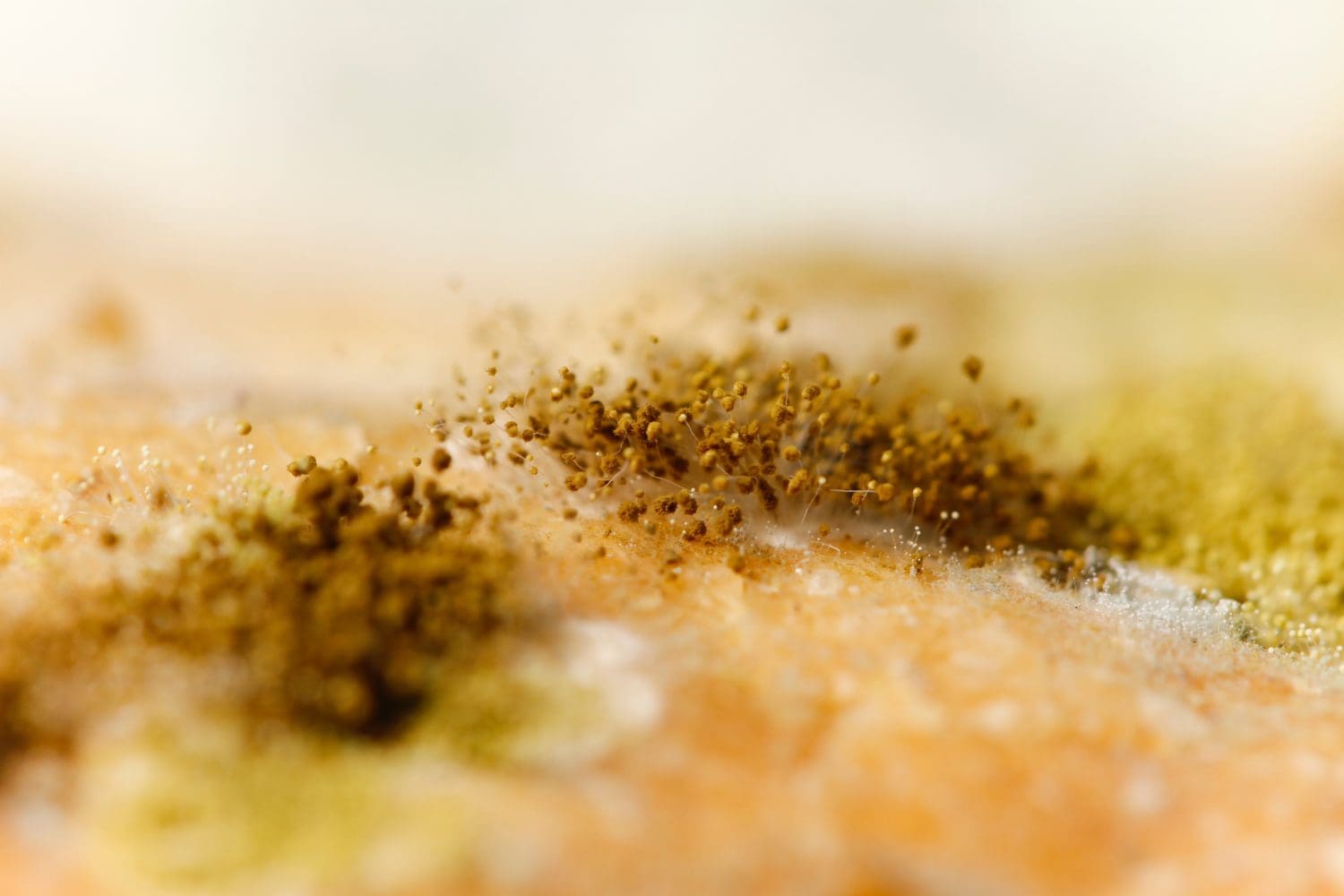
This early response is critical because mold forms when moisture is not fully removed. Here’s a deeper look at what causes mold and why it spreads indoors.
Remove water immediately
Standing water should be extracted as quickly as possible. Towels and mops may help with small areas, but larger losses require more aggressive removal to keep moisture from soaking into flooring and structural materials.
Stop the source
If the issue is plumbing-related, shut off the water supply. If it is storm-related, focus on limiting further intrusion by closing off exposed areas.
Create controlled airflow
Air movement matters, but not all airflow is helpful. Opening windows can assist in dry conditions, but in many cases, targeted air movement combined with dehumidification is what actually pulls moisture out of materials.
Avoid spreading moisture
Running systems that circulate air without removing moisture can move humidity and contaminants into unaffected areas. Drying is not just about air, it is about moisture removal.
Where Mold Actually Starts
Mold rarely begins in open, visible areas. It starts where moisture is trapped and airflow is limited.
Common problem areas include:
- Inside wall cavities
- Beneath flooring and baseboards
- Behind cabinets and vanities
- Around insulation and subflooring
This is why many properties develop mold after the initial cleanup. The surface looks dry, but the structure is not.
Materials That Hold Moisture the Longest
Not everything dries at the same rate. Some materials retain water and create long-term risk if they are not addressed early.
Materials that require the most attention:
- Carpet and padding
- Drywall and insulation
- Engineered wood and laminate flooring
- Upholstered furniture
These materials absorb water quickly and release it slowly. If they are not dried properly, they continue feeding moisture into the surrounding space.
Cleaning Alone Does Not Stop Mold
Surface cleaning is often misunderstood as a complete solution. It is not.
You can clean and disinfect a surface, but if moisture remains behind it, mold can still form.
Effective prevention requires:
- Removing moisture at the structural level
- Fully drying affected materials
- Treating areas only after drying is complete
Cleaning supports the process. It does not replace it.
Humidity Control Is What Keeps Mold From Coming Back
After initial drying, the environment needs to stay controlled.
Indoor humidity should remain below 50 to 55 percent. If humidity rises again, even slightly damp materials can restart the problem.
Pay attention to:
- Rooms that feel warmer or more humid than others
- Musty or damp odors
- Areas that were previously affected
Moisture that is left unchecked tends to return in the same locations. This is often how mold spreads without being seen. If you’re concerned about how it may impact your home or health, review our guide on black mold symptoms and health risks.
The Difference Between Surface Dry and Fully Dry
One of the most common mistakes is assuming something is dry because it feels dry.
Water moves through materials in layers. The surface may dry quickly, while deeper layers remain saturated.
That difference is what leads to:
- Delayed mold growth
- Warping or structural damage
- Odors that appear days later
True drying happens when moisture is removed from within the material, not just from the surface.
What This Looks Like When It’s Handled Correctly
A proper response to water damage is not just cleanup. It is a controlled process.
It involves:
- Locating all affected areas, including hidden moisture
- Removing water quickly and completely
- Drying structural materials to safe levels
- Preventing moisture from spreading to new areas
When each step is done correctly, mold does not get the opportunity to form.
Take Control Before Mold Has a Chance
Mold prevention is not about reacting later. It is about controlling the situation early, before it escalates into a larger problem.
If you are dealing with water damage, the most important thing is not just removing what you can see, but making sure nothing is left behind.
That is where most problems start.
At National First Response, water damage is handled with a focus on complete drying, not surface cleanup. From the moment you call, the priority is to identify every affected area, fully remove the moisture, and stabilize the property before secondary damage begins.
On-site within 60 minutes across the Valley, with the equipment and experience to handle both visible damage and what sits behind it.
If you are dealing with water damage now, act early. The difference between a clean dry-out and a mold issue often comes down to how quickly and thoroughly the response is handled.
Editorial Writer - Victoria Yancer
Verum Digital Marketing
Reviewed by - Kevin Cavanaugh
National First Response